
Muhammad: Prophet, Statesman, and Founder of the Islamic Community
Muhammad (c.570–632) was an Arab religious and political leader who founded Islam, led the early Muslim community from Mecca to Medina, and shaped religious, social, and legal traditions followed by Muslims worldwide.
Overview
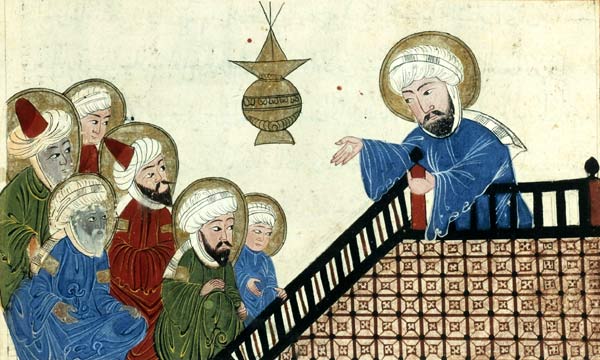
Muhammad (c. 570–632 CE) is the central figure of the religion of Islam. He is regarded by Muslims as the final prophet and messenger whose revelations form the Quran. Over his lifetime he served multiple roles: religious teacher, community leader, lawmaker, and military commander. His life and actions provide a model for Muslim belief and practice.
Image gallery
10 Images





Early life and background
Born in the city of Mecca, in the Arabian Peninsula, Muhammad became an orphan early in life and was raised by close relatives. In his youth he worked in trade and caravan life, gaining a reputation for honesty that earned him the epithet al-Amin (the Trustworthy). He married Khadijah, a successful merchant, who was his principal support when his public role began.
Revelation and public message
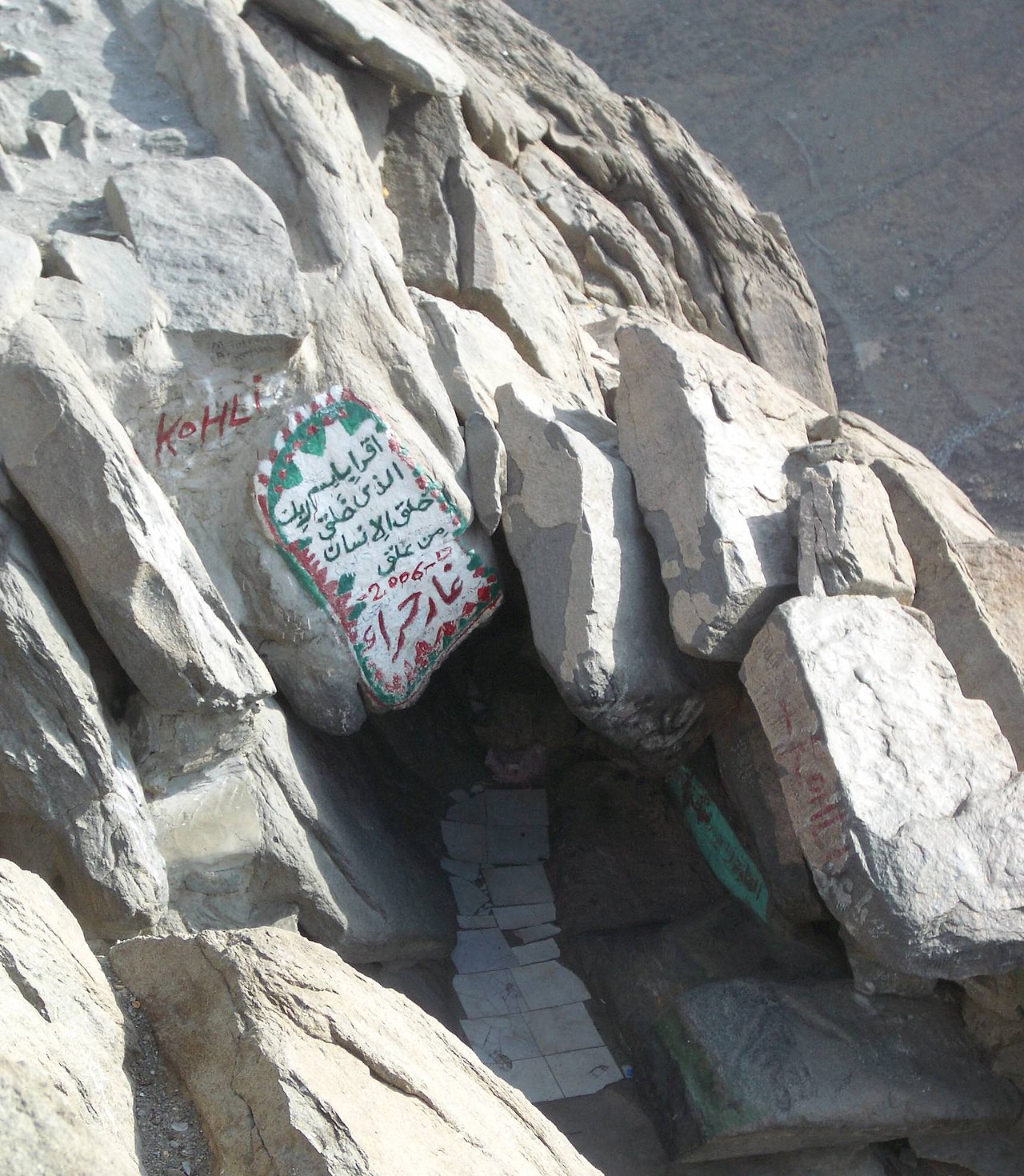
Muslims believe that at about age forty Muhammad received a series of revelations delivered by the angel Gabriel. These revelations, conveyed over two decades, emphasized monotheism, moral responsibility, social justice, and care for the poor. His message challenged the prevailing religious and social order in Mecca, where many tribes practiced polytheistic worship; opposition from the Meccan polytheists eventually made public preaching difficult and dangerous.
Migration to Medina and community leadership
In 622 CE Muhammad and his followers emigrated to Yathrib (later called Medina) in an event known as the Hijra. There he acted as a political and religious leader, mediating disputes among tribes, establishing a center of communal worship, and overseeing a mosque that served religious and civic functions. The Medinan period saw the formation of a written or customary framework for governance and intercommunal relations.
Conflict, treaties, and the return to Mecca
The early Muslim community engaged in a mixture of diplomacy and armed encounters with opposing groups. Periodic battles, negotiated truces, and treaties helped shape the region's politics. Over time Muhammad consolidated influence across much of the Arabian Peninsula and returned to Mecca in a largely nonviolent takeover that led to the removal of many public idols from the Kaaba.
Teachings and lasting impact
Muhammad is regarded in Islam as descended, in spiritual lineage, from figures such as Ishmael and Abraham, and as the seal of the prophets. His teachings form the foundation of Muslim ritual and law; core practices later interpreted as the Five Pillars grew from the community he led. Beyond religious life, his example influenced law, ethics, language, literature, and governance in diverse societies.
Sources and historical study
Knowledge of Muhammad’s life comes primarily from the Quran, collections of reported sayings and actions known as hadith, and early biographies (sira). Scholars use these sources, together with archaeological and contemporary documentary evidence, to reconstruct events while acknowledging differences in traditions and interpretation. For millions of followers, Muhammad remains a model of piety and conduct, and his legacy continues to shape global religious and cultural landscapes.
Questions and answers
Q: Who was Muhammad?
A: Muhammad was an Arab religious, political and social leader who founded the religion of Islam. He is seen as a prophet by Muslims.
Q: When and where was he born?
A: Muhammad was born around 570 in Mecca.
Q: Who took care of him after his parents died?
A: After his parents died, his grandfather Abd al-Muttalib took care of him until he passed away two years later.
Q: What happened when Muhammad was forty years old?
A: When Muhammad was forty years old, while he was praying, he reportedly met Gabriel and received the first revelation of the Quran.
Q: How did people respond to his preaching monotheism publicly?
A: People responded negatively to his preaching monotheism publicly; they boycotted him for three years and attacked him with stones when he tried to pray or preach.
Q: Where did Muhammad go after leaving Mecca?
A: After leaving Mecca, Muhammad traveled towards Medina where the Medinan Muslims helped him build a mosque there.
Author
AlegsaOnline.com Muhammad: Prophet, Statesman, and Founder of the Islamic Community Leandro Alegsa
URL: https://en.alegsaonline.com/art/127281