
Cheese: types, production, characteristics, and uses
Comprehensive overview of cheese: what it is, how it’s made, main types and factors that shape texture, flavor and appearance, plus history, culinary uses, and storage basics.
Overview — Cheese is a food made by coagulating milk into curds and separating whey. Traditionally a preserved form of dairy, cheese ranges from fresh soft varieties to long-aged hard ones. As a basic food category it is commonly referred to as a dairy product derived from animal milk, most often from milk produced by cows, goats or sheep.
Image gallery
10 Images


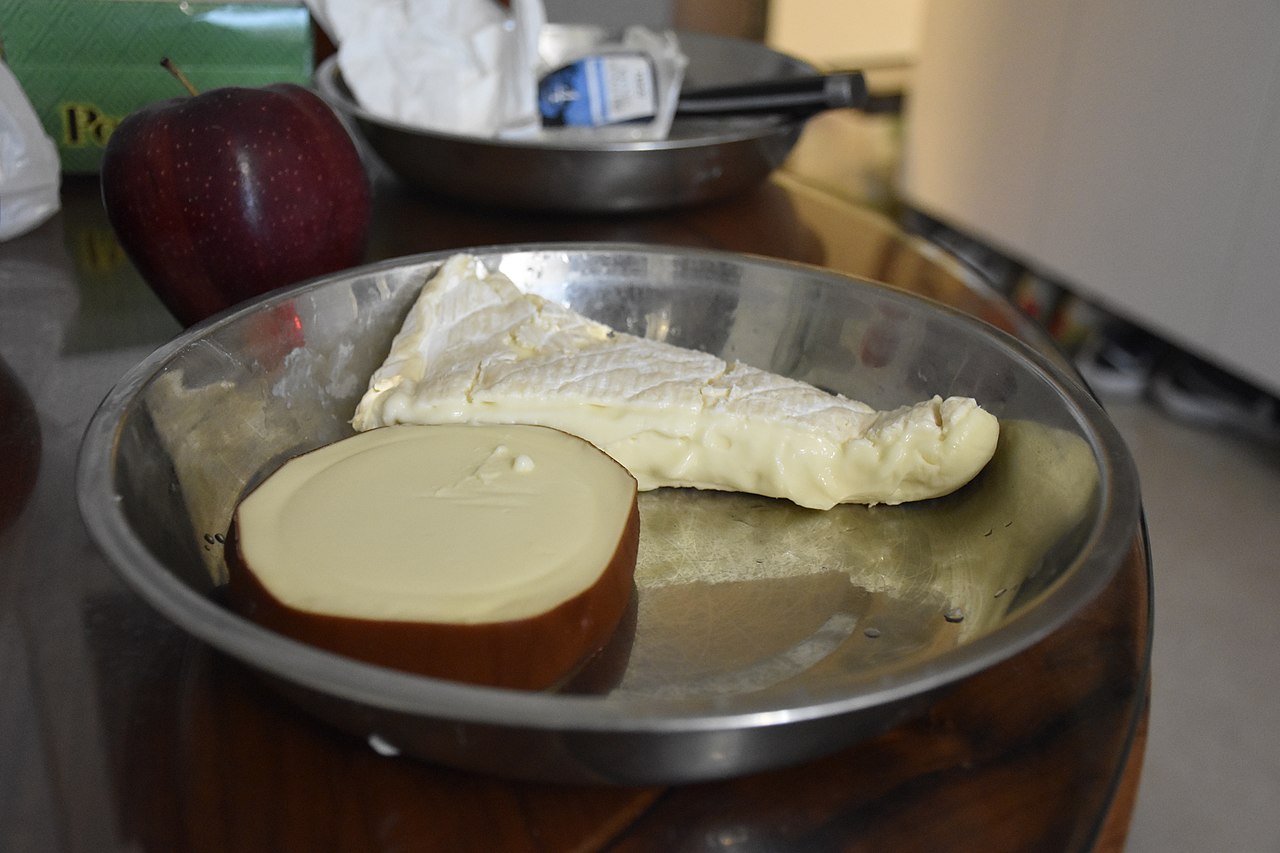


Common types
Many familiar varieties illustrate cheese diversity: for example cheddar, Swiss (and other Alpine styles) and provolone. Other broad categories include fresh unripened cheeses, soft-ripened surface-mold cheeses, washed-rind styles, blue-veined cheeses and firm hard cheeses.
How cheese is made
Basic production has a few consistent steps. Milk is standardized for fat and sometimes pasteurized; heat and acid or starter cultures begin curd formation, and an enzyme (traditionally rennet) helps coagulate proteins. Curds are cut and stirred to release whey, then drained, salted and shaped. Many cheeses are then aged under controlled temperature and humidity to develop texture and flavor. Pasteurization and starter cultures are important variables; see pasteurization and the role of bacteria in ripening.
Characteristics and what affects them
Appearance, texture and taste reflect multiple influences. Key factors include:
- Form and size determined by molding and pressing;
- Texture, from creamy to crumbly, shaped by moisture and aging;
- Colour, which can be natural or modified by additives or feed;
- Flavour, produced by milk composition, cultures, maturation and salt;
- Type of milk—cow, goat, sheep—and its fat and protein content;
- Processing choices such as salting, pressing and rind treatment.
History, uses and notable facts
Cheese has a long human history as a way to concentrate and preserve milk; regional traditions led to the wide variety available today. It is used in everyday cooking and fine dining alike: melted in sauces, sliced on sandwiches, grated over dishes, or paired with wine and fruit. Storage depends on type—fresh cheeses are refrigerated and eaten quickly, while many aged cheeses can be kept longer and sometimes improve with controlled maturation.
Understanding these elements helps with selection and storage, and explains why the same basic ingredient—milk—yields such a broad culinary spectrum. For further reading, consult general guides to cheese production and style classifications via resources like dairy references and specialty cheese guides (milk origins, variety lists, regional profiles, tasting notes, manufacturing steps, texture descriptions, colour factors, flavor chemistry, animal milk types, pasteurization issues, microbial ripening).
Questions and answers
Q: What is cheese?
A: Cheese is a dairy product that is made from milk.
Q: What are some examples of types of cheese?
A: Examples of types of cheese include cheddar, Swiss, and provolone.
Q: What affects the form, texture, colour and flavour of a cheese?
A: Factors that affect the form, texture, colour and flavour of a cheese include the type of milk (cow or goat), whether the milk has been pasteurized, the amount of butterfat in the cheese, bacteria and mold in the cheese, how it was made, how much fat is in it, and its age.
Q: Is cow's milk or goat's milk used to make cheese?
A: Both cow's milk and goat's milk can be used to make different types of cheeses.
Q: Does pasteurization affect the taste or texture of a cheese?
A: Yes - pasteurization can affect both the taste and texture of a cheese.
Q: How does butterfat content influence a cheese's flavour?
A: The butterfat content in a particular type of cheese will influence its flavour as higher levels will produce richer tasting cheeses with more intense flavours.
Q: Does aging have an effect on how a certain type of cheese tastes?
A: Yes - aging can have an effect on how certain types of cheeses taste as they become more complex over time as their flavours develop further.
Tags
Related articles
Author
AlegsaOnline.com Cheese: types, production, characteristics, and uses Leandro Alegsa
URL: https://en.alegsaonline.com/art/19110
Sources
- thenibble.com : "The history of cheese: from an ancient nomad's horseback to today's luxury cheese cart"
- commons.wikimedia.org : Cheese