
Winnowing: traditional grain separation and natural sorting processes
Winnowing is the practice of separating lighter material from heavier grain or sediment—traditionally by wind, using tools, and in geology by natural sorting.
Overview
Winnowing is a physical process used to separate lighter, unwanted material from heavier useful product. In agriculture it is most commonly the removal of chaff and debris from cereal grain. The basic idea is simple: take advantage of differences in weight, shape and aerodynamic properties so that lighter fragments are carried away while dense kernels fall back for collection. This agricultural practice is one of the earliest post-harvest operations and remains culturally and technically important in many regions.
Image gallery
6 Images


Techniques and equipment
Traditional winnowing methods vary in form but share the same principle. A handful of common methods and tools are:
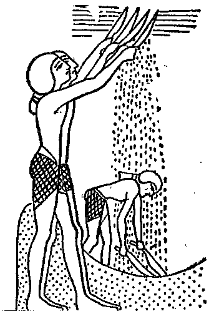
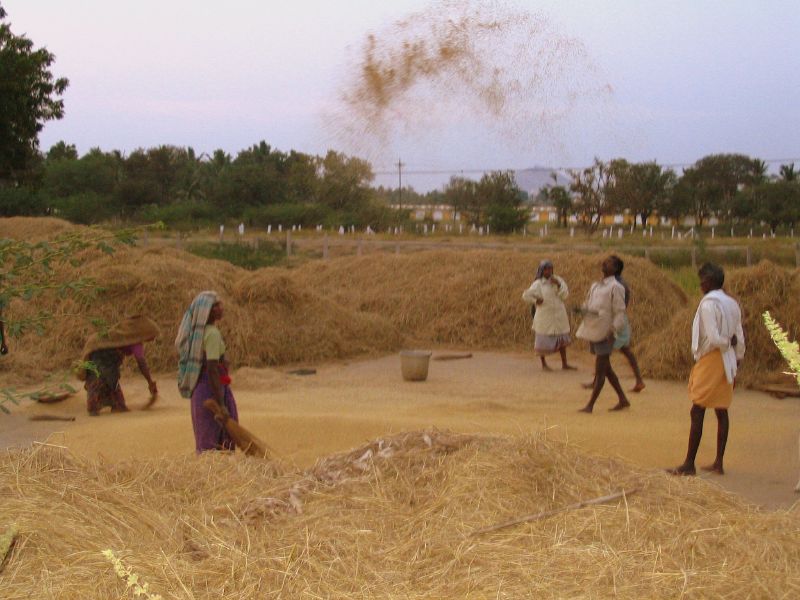
- Wind-grading: tossing a mixture into a breeze so the wind blows off chaff, a method people have used since prehistoric times. See also general ancient practices.
- Winnowing basket or fan: a shallow shaped basket or fan is shaken to lift lighter material; the shaped winnowing basket helps separate chaff from kernels.
- Fork or shovel winnowing: using a fork, shovel or tray to throw and catch grain so the light material separates in the air.
- Mechanical and powered devices: modern fanning mills and aspirators reproduce the same airflow effects on a larger and more controlled scale.
Relation to other post-harvest steps
Winnowing normally follows threshing, the process that loosens the seeds or kernels from the surrounding straw and husks. Threshing produces a mixed pile of grain, chaff and other crop residues; winnowing then removes the lighter materials and any insects such as weevils or other pests that can be dislodged. In small-scale processing a household may even use a simple colander in place of a basket to separate materials during cleaning.
Historical and cultural context
Winnowing is documented in many ancient cultures and features in agricultural manuals, art and ritual. It was a low-technology but effective solution wherever open air and skilled hands were available. Over time, mechanized alternatives reduced manual labor and improved throughput, but the visual of grain being thrown and light chaff carried by air remains a widespread symbol of harvest work.
Geological and environmental meaning
The term winnowing is also used in geology and geomorphology to describe natural sorting by wind or water, where fine particles are removed from a coarser deposit. This process can clear finer sediments from a gravel bed or concentrate heavier minerals, analogous to separating wheat from chaff. Sedimentary studies refer to this selective removal when interpreting depositional environments and transport processes; see sediment sorting discussions for more.
Uses, advantages and limitations
Winnowing remains useful because it requires little infrastructure and can both clean grain and help control pests in storage. It is adaptable: farm laborers may winnow freshly harvested grain at the field edge, or processors may use mechanical systems for large batches. Limitations include dependence on suitable wind or power, potential contamination if done outdoors, and reduced effectiveness with damaged or unusually shaped kernels.
For further practical guidance, technical descriptions of agricultural methods and step-by-step manuals are available from extension services and farming literature; these outline when and how to integrate winnowing with other cleaning and drying operations.
Related articles
Author
AlegsaOnline.com Winnowing: traditional grain separation and natural sorting processes Leandro Alegsa
URL: https://en.alegsaonline.com/art/108611