
Wrought iron: composition, history, properties and uses
Wrought iron is a low-carbon, slag-containing form of iron known for its fibrous texture, weldability and historical use in forging and ornament. This article covers its properties, history and modern relevance.
Overview
Wrought iron is a form of commercial iron characterized by a very low carbon content and a residual network of slag. Historically it was produced by processes that removed most carbon from pig iron, leaving a tough, workable metal with a distinct fibrous structure. In modern industry the term is sometimes used loosely, but "true" wrought iron is uncommon because steelmaking replaced the older techniques.
Image gallery
9 Images


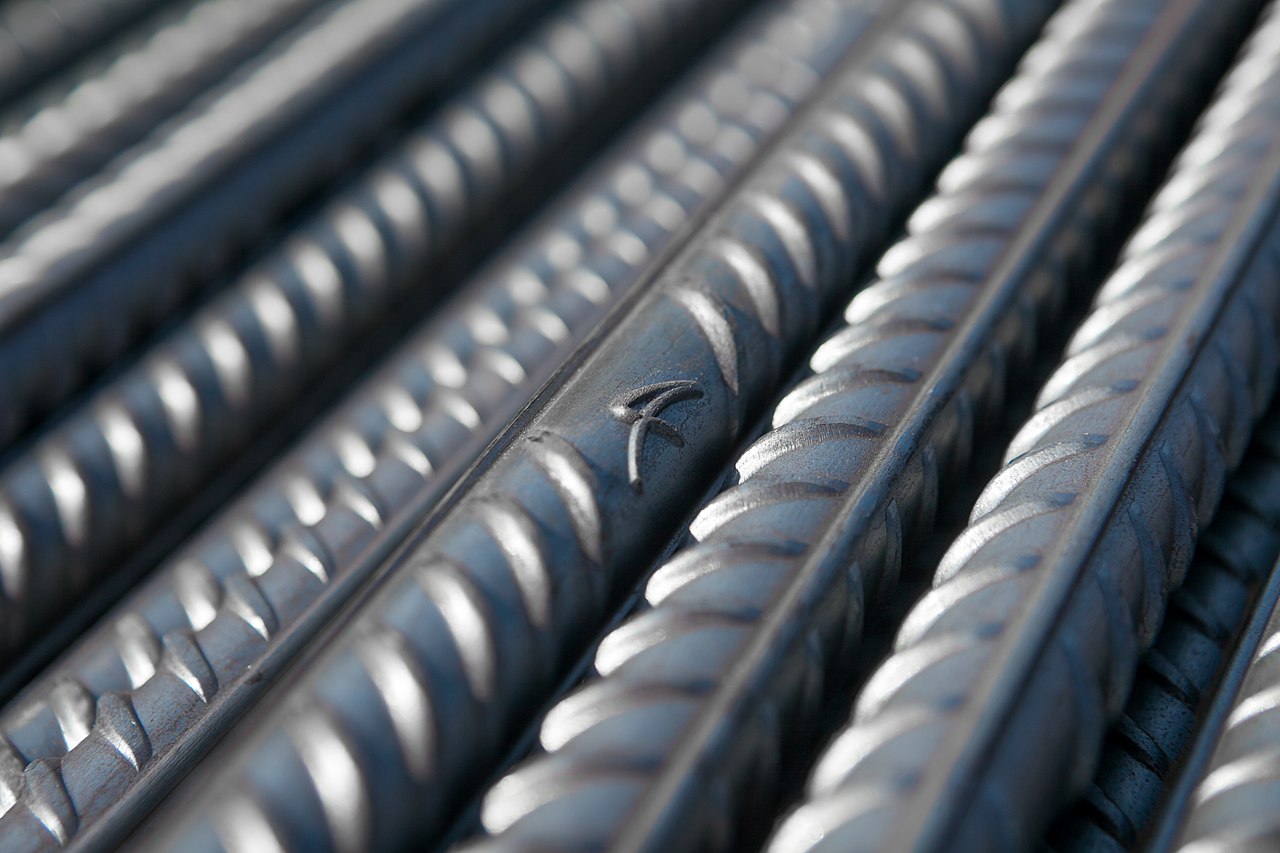


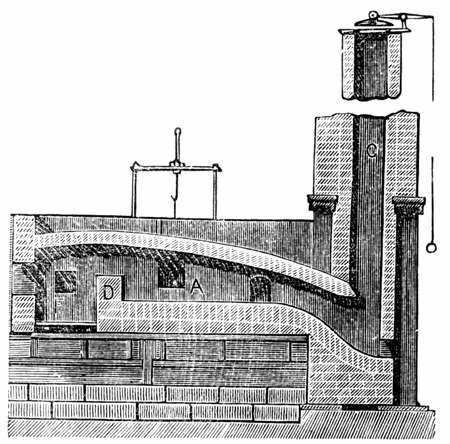
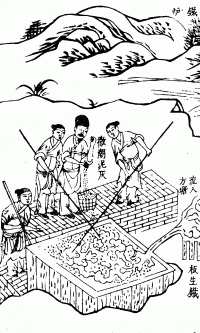
Composition and physical properties
Wrought iron contains only traces of carbon compared with most steels; see carbon content for context. Its remaining non-metallic inclusions, or slag, are distributed as stringers that give the metal a grain resembling wood. That internal structure makes wrought iron relatively ductile, malleable and resistant to fatigue. It forges and welds readily, and its rough surface accepts paints and coatings, including galvanizing, more easily than smoother steels or cast iron (cast iron).
History and production methods
Before modern steelmaking, wrought iron was made in bloomeries and later in puddling furnaces and finery forges. Those processes decarburized iron bloom or pig iron by oxidation and mechanical working; the worked mass retained entrapped slag, producing the characteristic fibrous texture. The Industrial Revolution saw large-scale production, but the development of inexpensive mild steel and processes such as the Bessemer and open-hearth methods caused wrought iron manufacture to decline during the 19th and 20th centuries.
Uses, examples and conservation
Wrought iron was widely used for architectural ornament, railings, gates, fasteners, and structural fittings where toughness and forgeability were important. Today, original wrought iron survives in historic buildings, bridges and decorative ironwork; conservators and blacksmiths prefer genuine wrought iron for accurate restoration. In many modern applications, mild steel provides similar mechanical behavior and is substituted where historically appropriate material is not required.
Distinctions and notable facts
- Wrought iron vs cast iron: cast iron contains high carbon, is hard and brittle, and is produced by casting; wrought iron is low-carbon and worked by forging.
- Wrought iron vs mild steel: mild steel is essentially low-carbon steel produced by modern steelmaking and lacks the fibrous slag stringers of true wrought iron.
- Metallurgical behavior: sulfur and phosphorus impurities can embrittle iron when heated; historically, ores and fuels were chosen to minimize these elements.
- Modern rarity: authentic wrought iron is scarce; many contemporary "wrought-iron" products are fabricated from mild steel.
For further reading on historical production and conservation practice, see referenced resources and specialized texts. Practical identification often relies on visual grain, hammer marks and metallurgical testing. Where authentic appearance is required for restoration, craftsmen seek out or reproduce the characteristic working and finish of traditional wrought ironwork.
Related articles
Author
AlegsaOnline.com Wrought iron: composition, history, properties and uses Leandro Alegsa
URL: https://en.alegsaonline.com/art/109248