
Wire rope: construction, history, uses, and safety
Wire rope is a multi-strand metal assembly used for lifting, towing, and support. This article explains its construction, types, history, common applications, and inspection and safety considerations.
Overview
Wire rope is a flexible, high-strength assembly made by twisting several strands of metal wires together in a helical pattern. Each strand is itself composed of many individual wires laid around a central core. The resulting product combines tensile strength and fatigue resistance with flexibility, making it suitable for lifting, hoisting, towing and structural support. Materials range from early wrought iron through modern carbon steels to stainless and special alloys; material choice affects corrosion resistance, strength and cost. For material variants see manufacturer guidance.
Image gallery
9 Images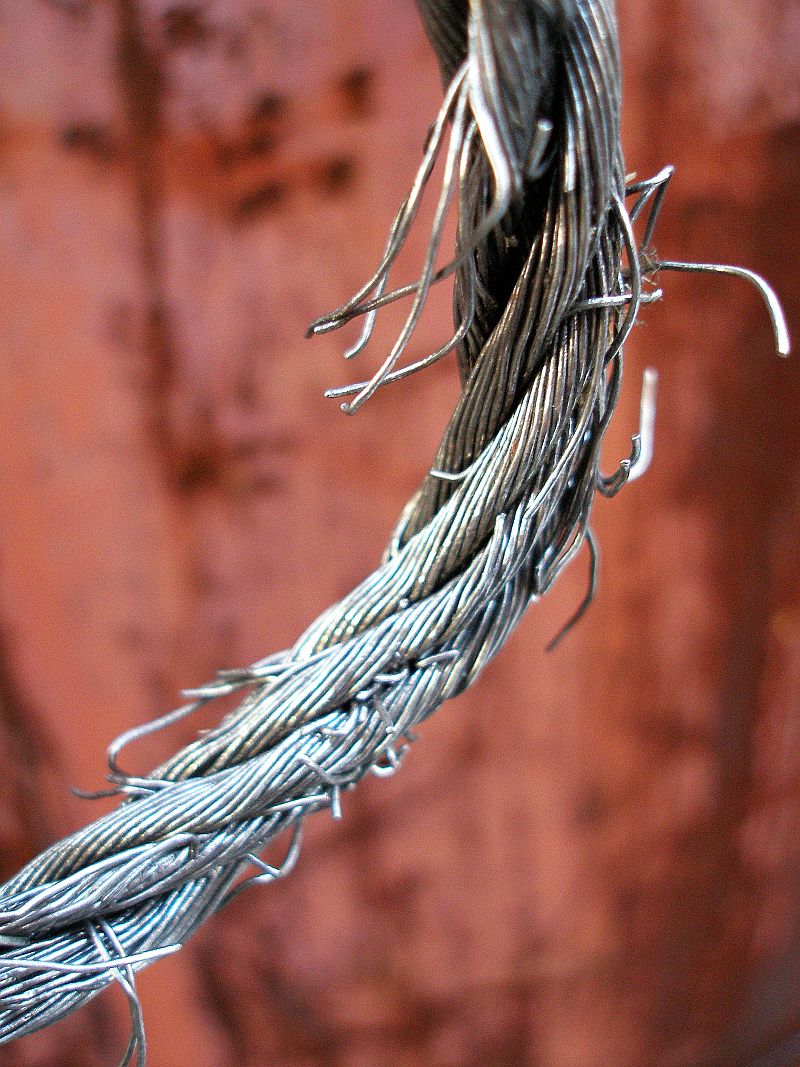




Construction and characteristics
Basic elements include the wires, the strands they form, and the core that supports the strands. Cores may be natural-fiber or synthetic (fiber core, FC) or a steel cable core (independent wire rope core, IWRC). Ropes differ by number of strands, number of wires per strand, and the lay (direction and length of the helix). Common codes such as 6x19 or 6x36 describe these counts and help predict flexibility, abrasion resistance and fatigue life. More wires per strand typically increase flexibility, while larger individual wires resist crushing and abrasion.
Types and special constructions
Variants include regular lay and Lang lay ropes, rotation-resistant designs for hoisting applications, and electrically conductive or non-magnetic types for specialized environments. Selection depends on bending cycles, contact with sheaves, environmental corrosion, and required breaking strength. Manufacturers label constructions and recommended uses; consult product data for torque characteristics and compatibility with drums and sheaves. Further technical notes are available at technical resources.
History and development
Wire rope was developed in the early 19th century to meet the need for stronger, more reliable mining ropes. Early industrial use in Europe was followed by widespread adoption in the United States, where engineers refined manufacturing and applied rope to bridges, elevators and cable systems. Over time improvements in steelmaking, wire drawing and lubrication increased performance and safety. See an overview of historical milestones at historical summary.
Common uses and examples
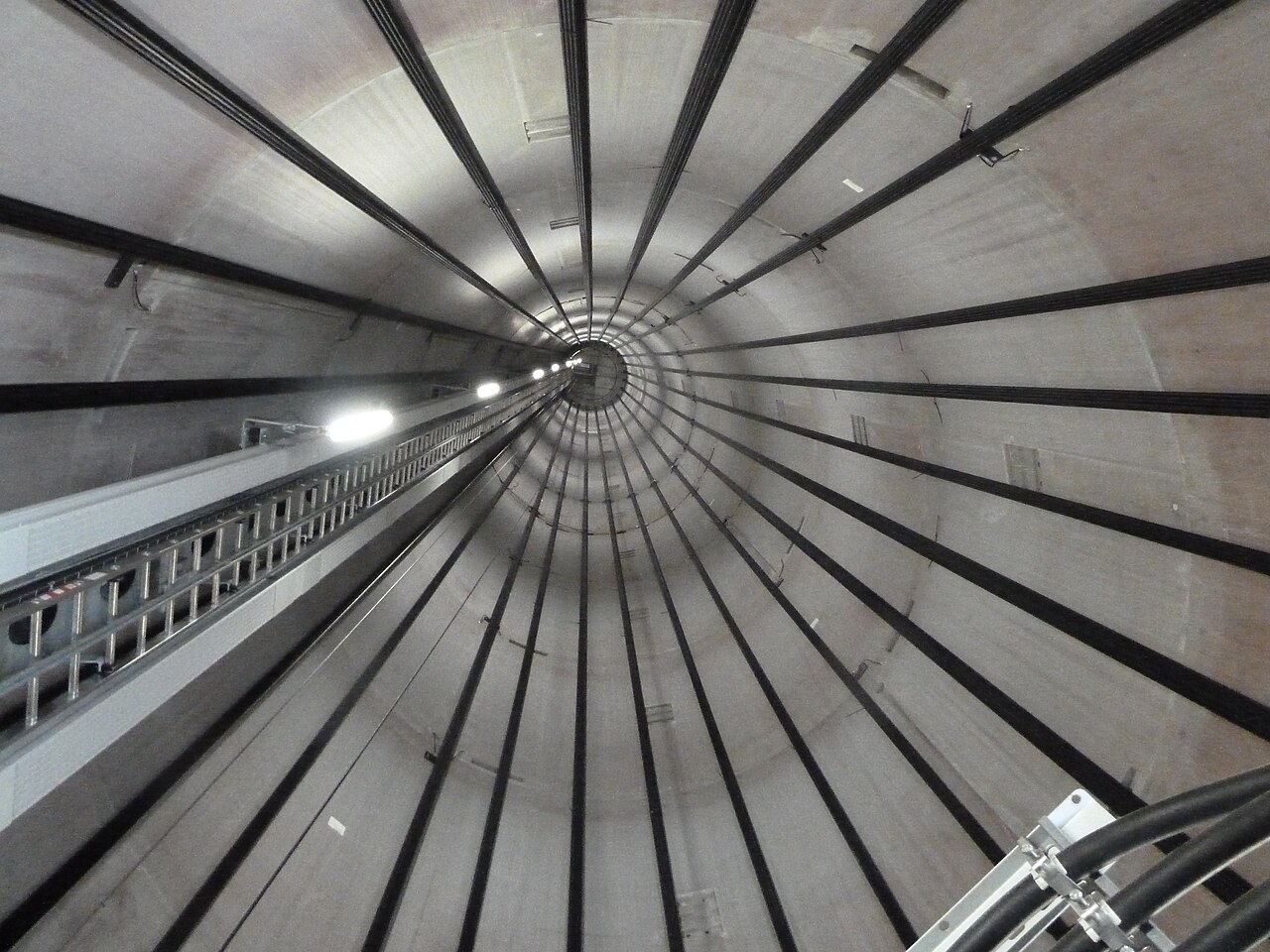
Wire rope appears in many industries: hoisting ropes on cranes and elevators, mining hoists, winches and tow lines, suspension bridge cables, aerial tramways, mooring lines and marine rigging. Its combination of tensile strength and flexibility also suits guy wires and tensioned architectural elements. Application-specific selection balances fatigue life, abrasion resistance and corrosion protection; manufacturer application guides can help match rope to duty cycle and environment. See comparative applications at industry guidance.
Inspection, maintenance and safety
Rope failure modes include wear, wire breakage from fatigue, corrosion, crushing, kinking and birdcaging. Regular inspection looks for broken wires, core deterioration, corrosion, deformation and loss of diameter through wear. Proper lubrication extends life and reduces internal corrosion. Ropes must be sized with appropriate safety factors, installed to avoid sharp bends or improper seating on drums, and replaced when inspection criteria indicate significant damage. Trained personnel and published standards guide maintenance intervals and discard criteria.
Related articles
Author
AlegsaOnline.com Wire rope: construction, history, uses, and safety Leandro Alegsa
URL: https://en.alegsaonline.com/art/108663