
Pest (biology)
Organisms that damage human interests—crops, health, property or ecosystems—defined by context. Overview, examples, impacts, management approaches, history and distinctions from related terms.
Overview: In biology, a pest is any organism—animal, plant or microorganism—that negatively affects human activities, property, crops, livestock, or health. The label "pest" is context-dependent: a species may be harmless or beneficial in one setting and a pest in another. The concept overlaps with related categories such as human concerns and is shaped by economic, ecological and social thresholds.
Image gallery
10 Images


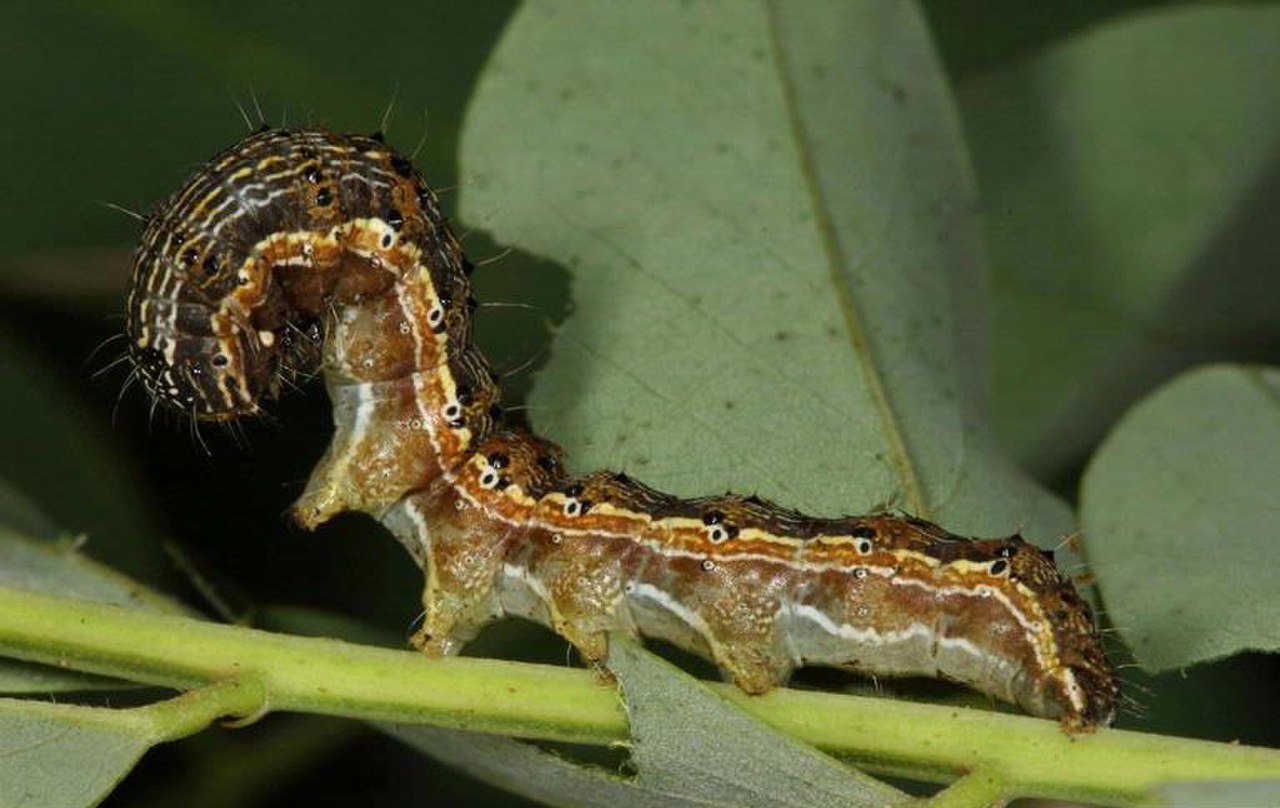


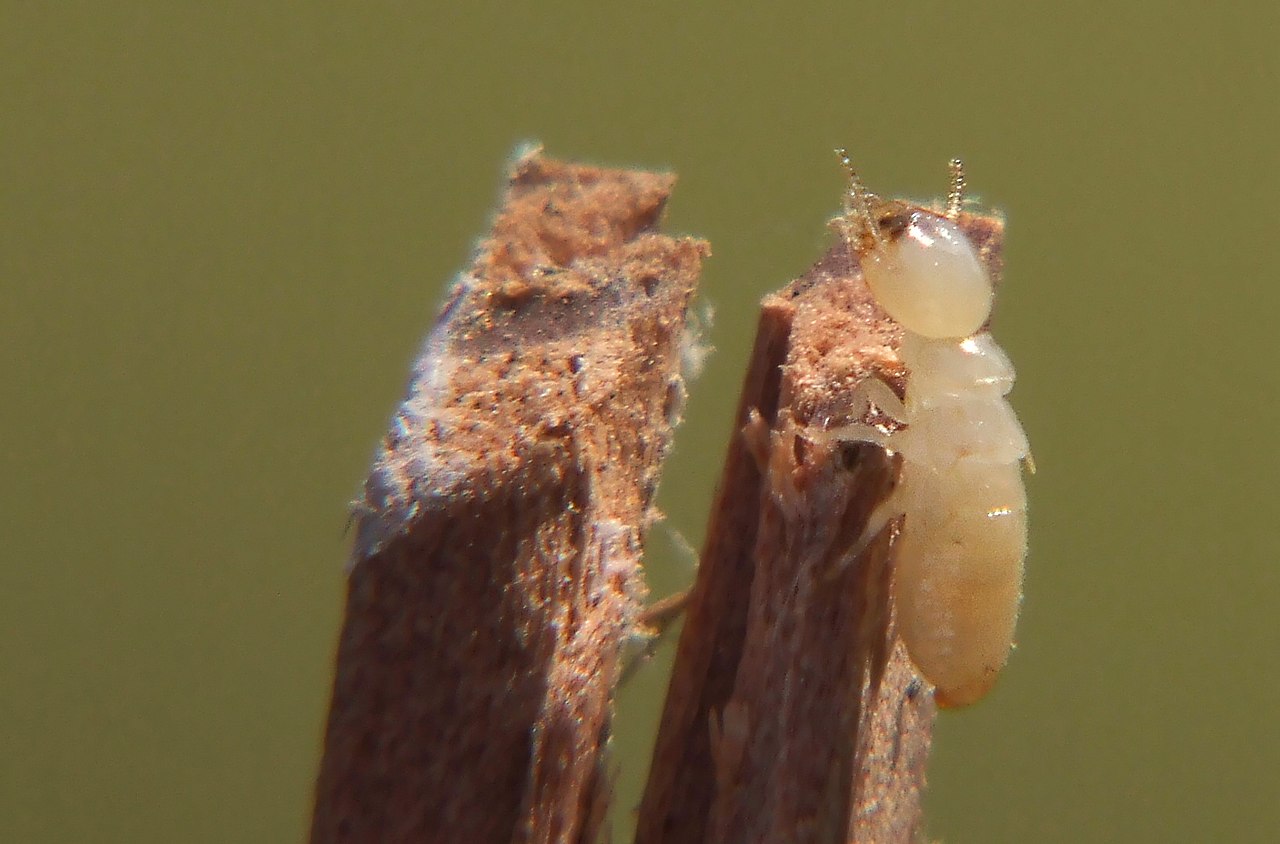
Characteristics and examples
Pests include insects (aphids, locusts), vertebrates (rats, mice), weeds (invasive plants) and disease carriers (mosquitoes). They can reduce yields, transmit pathogens, damage structures or outcompete native species. Whether an organism is classed as a pest often depends on abundance, damage level and the value of the resource affected.
History and development
Pest problems intensified with settled agriculture and global trade, which moved species beyond native ranges. Control methods evolved from manual removal and cultural practices to chemical pesticides and, later, integrated strategies. The history also includes unintended consequences such as resistance and harm to non-target organisms.
Management approaches
- Cultural: crop rotation, sanitation and habitat modification.
- Biological: predators, parasites and microbial agents used as control.
- Chemical: insecticides and herbicides applied with care to limit impacts.
- Integrated Pest Management (IPM): combines monitoring, thresholds and multiple tactics to reduce reliance on chemicals.
Effective pest management balances short-term control with long-term ecological health. Strategies increasingly emphasize prevention, targeted interventions and monitoring to avoid resistance and collateral damage.
Distinctions and notable facts
The term "pest" is informal and intersects with "vermin," weeds, parasites and pathogens. Some species introduced as biological controls have become pests themselves. Understanding local context, life cycles and ecosystem roles is essential for distinguishing pests from benign or beneficial organisms.
Related articles
Author
AlegsaOnline.com Pest (biology) Leandro Alegsa
URL: https://en.alegsaonline.com/art/76029
Sources
- merriam-webster.com : Mirriam-Webster dictionary
- britannica.com : "Pest - vermin"
- bbc.co.uk : bbc.co.uk/news/science-environment-15623490