
Harvest: collecting crops and other cultivated resources
Harvest is the process of gathering mature crops or other cultivated resources. This article covers methods, timing, machinery, causes and consequences of crop failure, and non-plant harvests such as shellfish.
The term "harvest" denotes the collection of plants or other cultivated resources when they reach maturity. Traditionally performed by farmers, harvest is timed to maximize yield and quality and may follow a season of growth that began with planting. In many temperate regions the largest harvest work occurs in autumn, though timing varies with climate, crop type and local practice.
Image gallery
10 Images




Key characteristics and stages
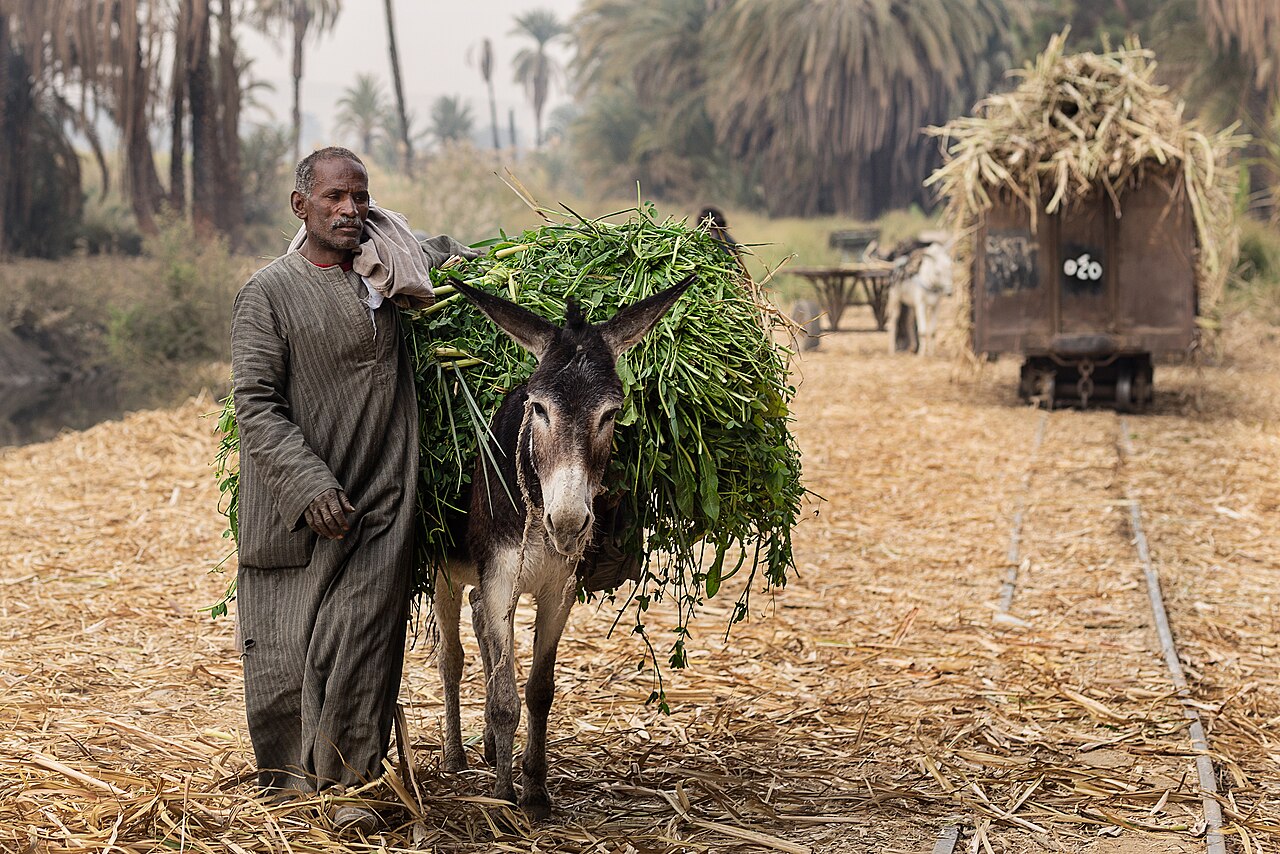
Harvesting involves several stages: assessing maturity, cutting or collecting, field processing (threshing, drying), transport and storage. Soil and site conditions play a role, so attention to the ground and moisture is important. Modern agriculture uses machines like combines, balers and harvesters to speed collection and reduce losses; smaller-scale operations may rely on manual picking or simple tools.
Methods and equipment
- Manual harvesting: handpicking, sickles, shears—common for delicate fruits and in regions with limited machinery.
- Mechanical harvesting: combines, forage harvesters and mechanical pickers—efficient for grains, oilseeds and some vegetables.
- Post-harvest handling: cleaning, drying and storage to prevent spoilage and preserve marketable quality.
Harvest practices differ by crop. Cereals require threshing and drying; fruits and vegetables may need rapid cooling. Perishable goods demand careful handling to limit waste during transport to markets.
Failure, risk and importance
Crop failure—sometimes called harvest failure—is a significant reduction or loss of expected yield caused by weather extremes, pests, disease, poor management or other shocks. Severe failures can contribute to food shortages or famine. Risk management includes crop rotation, resistant varieties, irrigation, pest control and storage improvements to protect food security.
Non-plant harvests and distinctions
"Harvest" also applies to gathering cultivated animals and other organisms. For example, aquaculture and shellfish farming harvest cultivated bivalves such as oysters and scallops. Fisheries use the same concept when collecting wild stocks, though management and sustainability concerns differ from crop agriculture.
Harvest is central to agrarian economies, influencing food supply, seasonal labor patterns and cultural celebrations. Effective harvesting and post-harvest systems reduce waste, improve incomes for producers and shape the availability of food in local and global markets.
Related articles
Author
AlegsaOnline.com Harvest: collecting crops and other cultivated resources Leandro Alegsa
URL: https://en.alegsaonline.com/art/42704