
Threshing: separating cereal grain from chaff — methods, history, and uses
Threshing separates edible grain from the surrounding chaff. Overview of traditional and modern techniques, historical development, byproducts and cultural importance in grain processing.
Overview
Threshing is the agricultural process that detaches the edible kernel from the inedible outer coverings that surround it. It is a central stage in processing cereal crops and other small-seeded plants: after harvesting and before winnowing, threshing reduces bundles of stalks to loose seed that can be cleaned and stored. The basic aim is separation, leaving grain largely intact while producing loose chaff and straw as byproducts.
Image gallery
10 Images




Traditional techniques
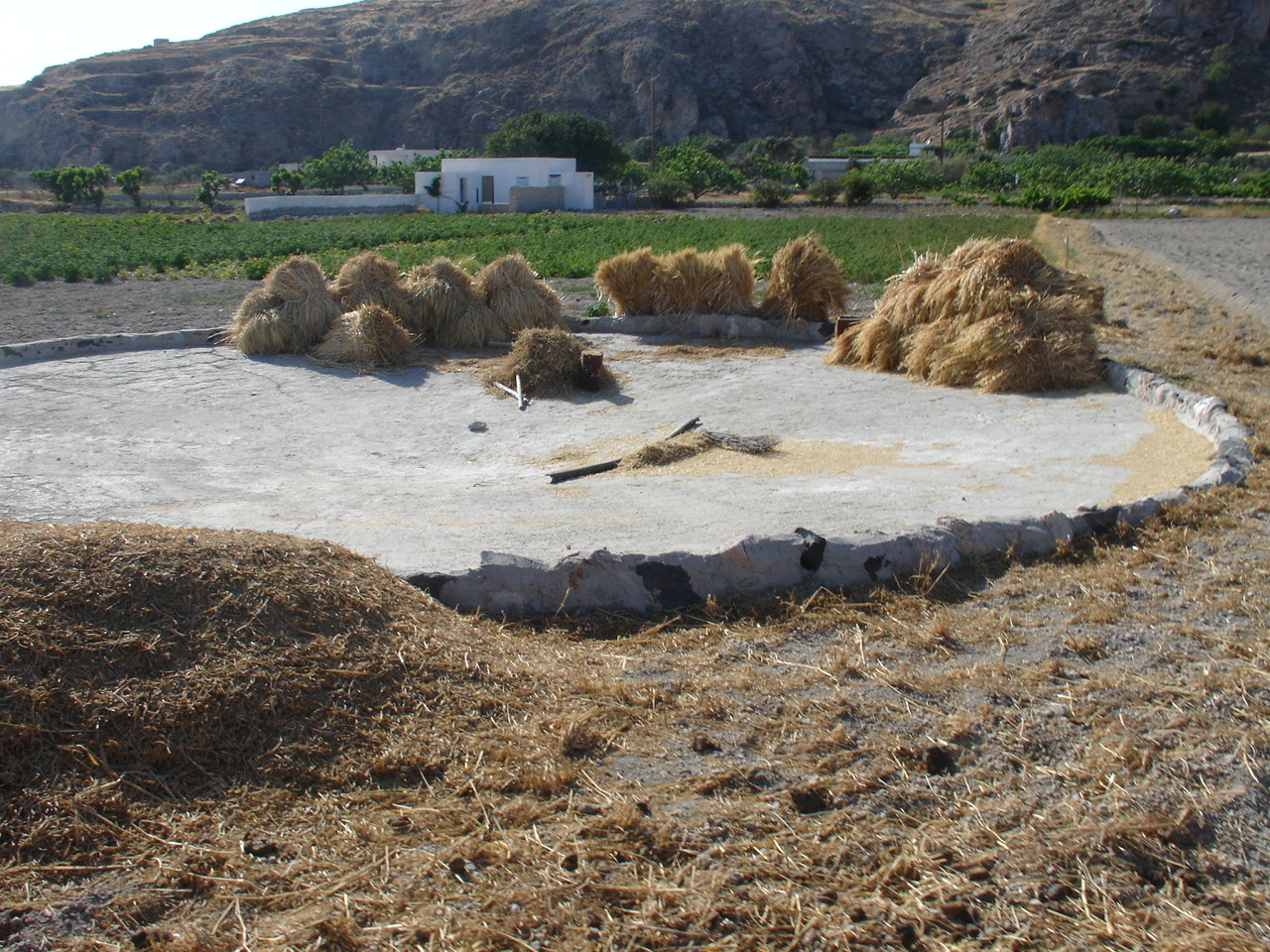
Historically, threshing relied on human or animal force. Farmers beat sheaves with a flail on a hard surface such as a dedicated threshing floor to loosen kernels. Another widespread method was animal tread, in which donkeys or oxen walked in circles over spread-out sheaves. These methods are simple and effective on a small scale but are labor-intensive and can damage some grain or remove surface layers such as bran.
Mechanical methods and innovation
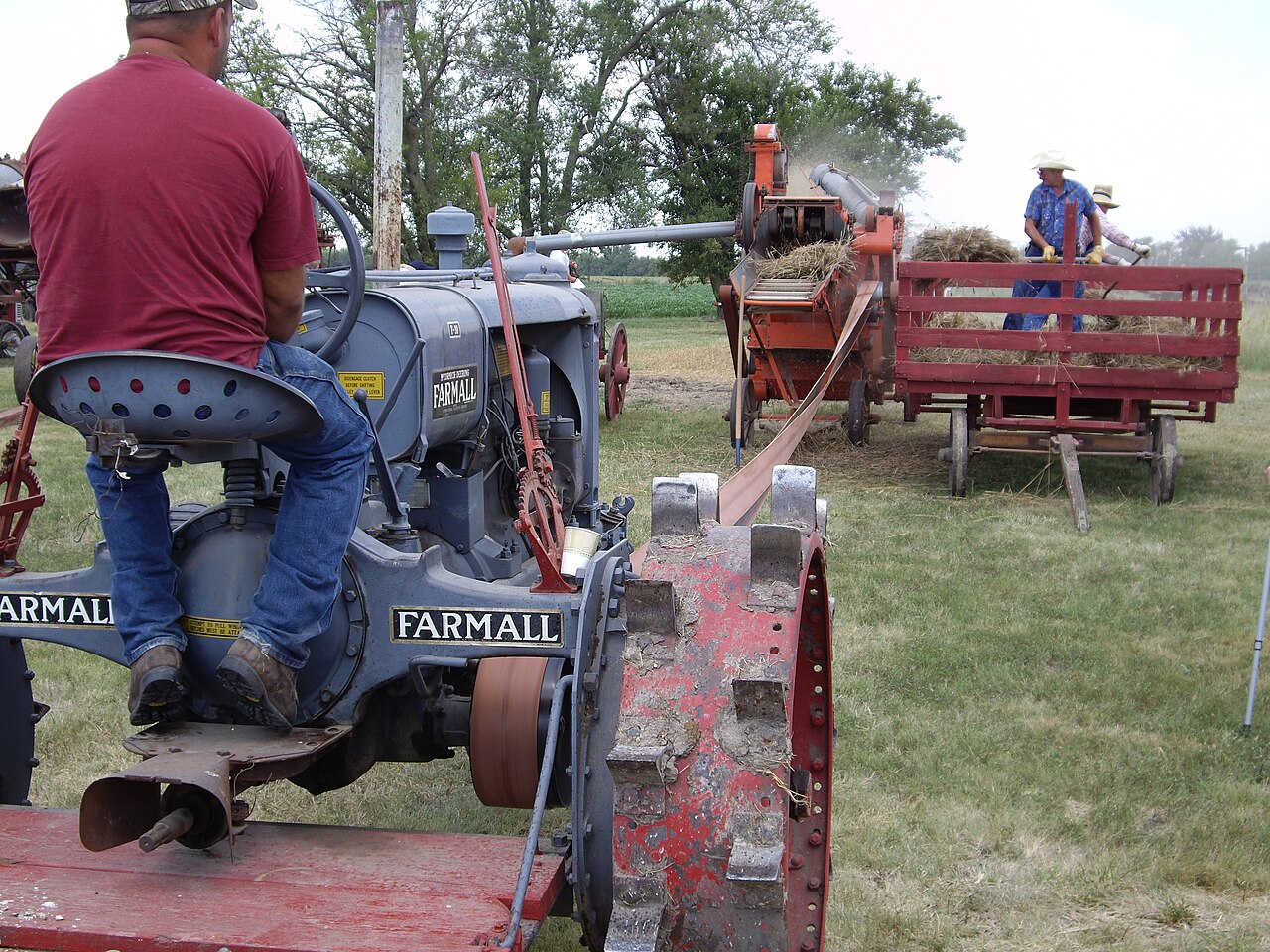
From the late 18th century onward, mechanized threshers transformed the task. Stationary threshing machines automated the beating and separation step; later, combined harvesters integrated cutting, threshing, and cleaning into a single pass. Modern machines are designed to minimize kernel breakage and to leave grain ready for milling or further cleaning.
How threshing fits into grain processing
- Harvesting: gathering the crop into bundles.
- Threshing: separating kernels from straw and chaff.
- Winnowing and cleaning: removing lighter chaff and impurities.
- Milling/storage: preparing grain for consumption or long-term storage.
Products, uses and cultural notes
The immediate outputs of threshing are grain, loose chaff, and straw. Grain proceeds to milling; chaff may be used as livestock bedding or fuel, while straw serves fodder, thatching, or material uses. Threshing has also had social and cultural roles: many communities developed communal threshing floors and seasonal rituals around the work. For further technical context on grain and processing stages see grain and grain processing.
Distinctions and important points: Threshing is distinct from milling (which removes bran and germ) and from winnowing (which separates light chaff by wind). Although early manual methods sometimes removed portions of bran, modern threshing principally focuses on freeing intact kernels so subsequent cleaning and milling can be done efficiently. For more general background consult agricultural guides and historical summaries (harvesting sources, mechanical evolution at cereal technology references).
Related articles
Author
AlegsaOnline.com Threshing: separating cereal grain from chaff — methods, history, and uses Leandro Alegsa
URL: https://en.alegsaonline.com/art/99658
Sources
- wholegrainscouncil.org : "Separating the Wheat from the Chaff"
- commons.wikimedia.org : Threshing