
Willamette Valley
A fertile, populous valley in western Oregon that hosts major cities, diverse agriculture and Oregon’s wine country, shaped by rivers, floods, and migration history.
Overview
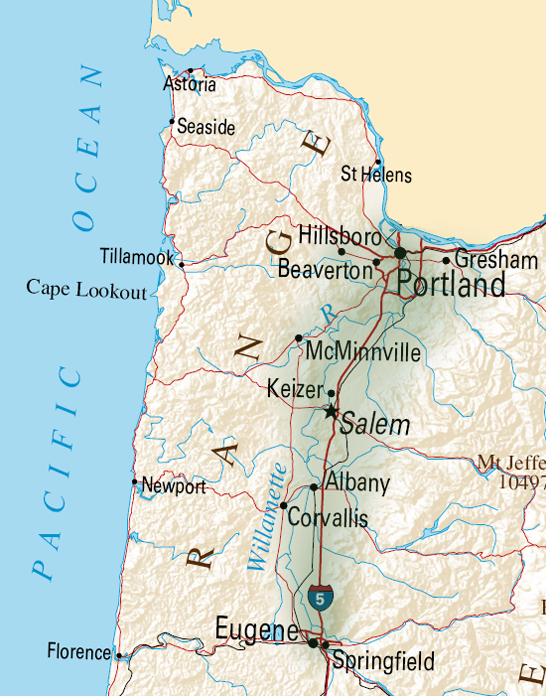
The Willamette Valley is a broad, lowland corridor in the western part of the state of Oregon. Running roughly 150 miles from north to south, this 150-mile (240 km) valley sits within the larger Pacific Northwest of the United States. The valley contains the region’s main urban centers and cultural institutions and is home to a large share of Oregon’s residents.
Image gallery
10 Images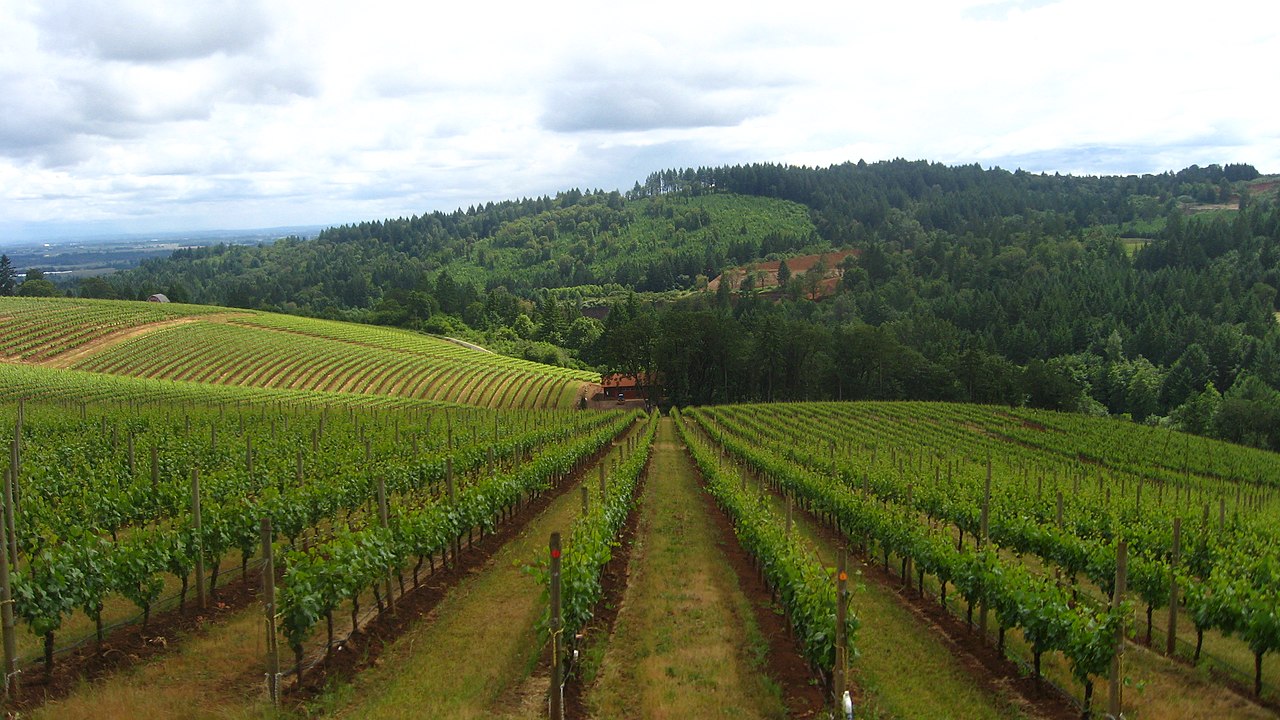





Geography and natural features
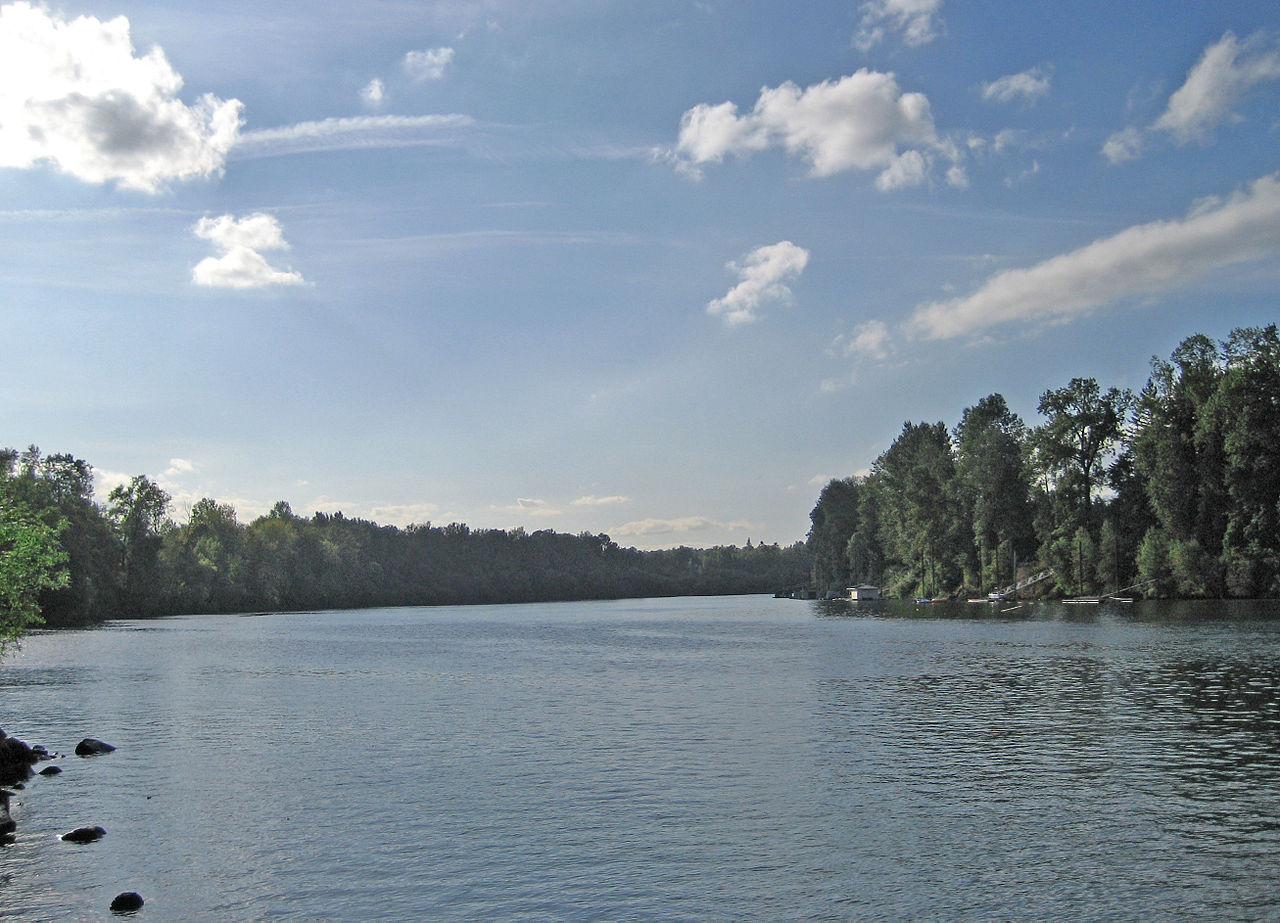
The Willamette Valley is defined by a gently sloping plain drained by the Willamette River, which runs the length of the valley before joining the Columbia River to the north. The plain is enclosed on three sides by higher ground: the Oregon Coast Range to the west, the Cascade Range to the east, and the Calapooya Mountains to the south. Numerous tributaries and smaller streams feed the river system; these waterways and seasonal floods have been key to shaping the valley’s soils and wetlands.
Soils, climate and agriculture
Repeated flooding and centuries of sediment deposition have produced highly fertile alluvial soils across much of the valley floor. The climate is often described as temperate with wet winters and relatively dry summers, creating favorable conditions for a wide range of crops. Agriculture remains central to the valley’s economy: grass seed, berries, hazelnuts and nursery plants are important, and over the last few decades viticulture has expanded rapidly. The area marketed as "Oregon Wine Country" includes many vineyards and well over five hundred wineries, making wine an increasingly visible regional industry.
Human settlement and history
The Willamette Valley has long been inhabited by Indigenous peoples, including the Kalapuya and other groups whose lives were adapted to the valley’s ecosystems. Euro-American settlement increased dramatically in the 19th century when thousands of migrants traveled west. The arrival of oxen-drawn wagon trains on the Oregon Trail brought many settlers who established farms and towns on the rich valley soils.
Population, cities and economy
Today the valley contains Oregon’s principal population and economic core. Major cities in and near the valley include Portland in the north and Salem, the state capital, farther south. The combination of urban centers, transportation corridors, and fertile farmland supports a mixed economy of technology, manufacturing, services and agriculture. The valley’s river system continues to play a role in commerce and water management for the region’s economy.
Notable facts and distinctions
- The valley’s floodplain and soils make it one of the most productive agricultural regions in the Pacific Northwest.
- Its climate and geography have supported a thriving wine industry centered on cool-climate grape varieties.
- The Willamette River and its tributaries are central to the valley’s landscape and history.
- The area was a primary destination for many emigrants on the Oregon Trail during westward expansion.
The Willamette Valley remains a place of interaction between urban growth and agricultural land use, and it continues to attract attention for its environmental values, food and wine production, and role in Oregon’s identity.
Related articles
Author
AlegsaOnline.com Willamette Valley Leandro Alegsa
URL: https://en.alegsaonline.com/art/108162
Sources
- willamettewines.com : "Willamette Valley Facts and Figures"
- commons.wikimedia.org : Willamette Valley