
Vineyard: Cultivation and Uses of Grapevines
An encyclopedia overview of vineyards: their structure, history, viticulture practices, uses for wine and other products, and notable distinctions such as terroir and appellations.
Overview
A vineyard is land planted with grapevines for the production of grapes. These grapes may be destined for several uses — notably winemaking, but also table consumption, drying as raisins, or for juice and grape seed products. Some vineyards are owned and managed directly by wineries, while others supply independent buyers. The botanical and agricultural focus of a vineyard revolves around the choice of grape varieties and management techniques that influence the quality of wine or other end products.
Image gallery
10 Images






Structure and key components
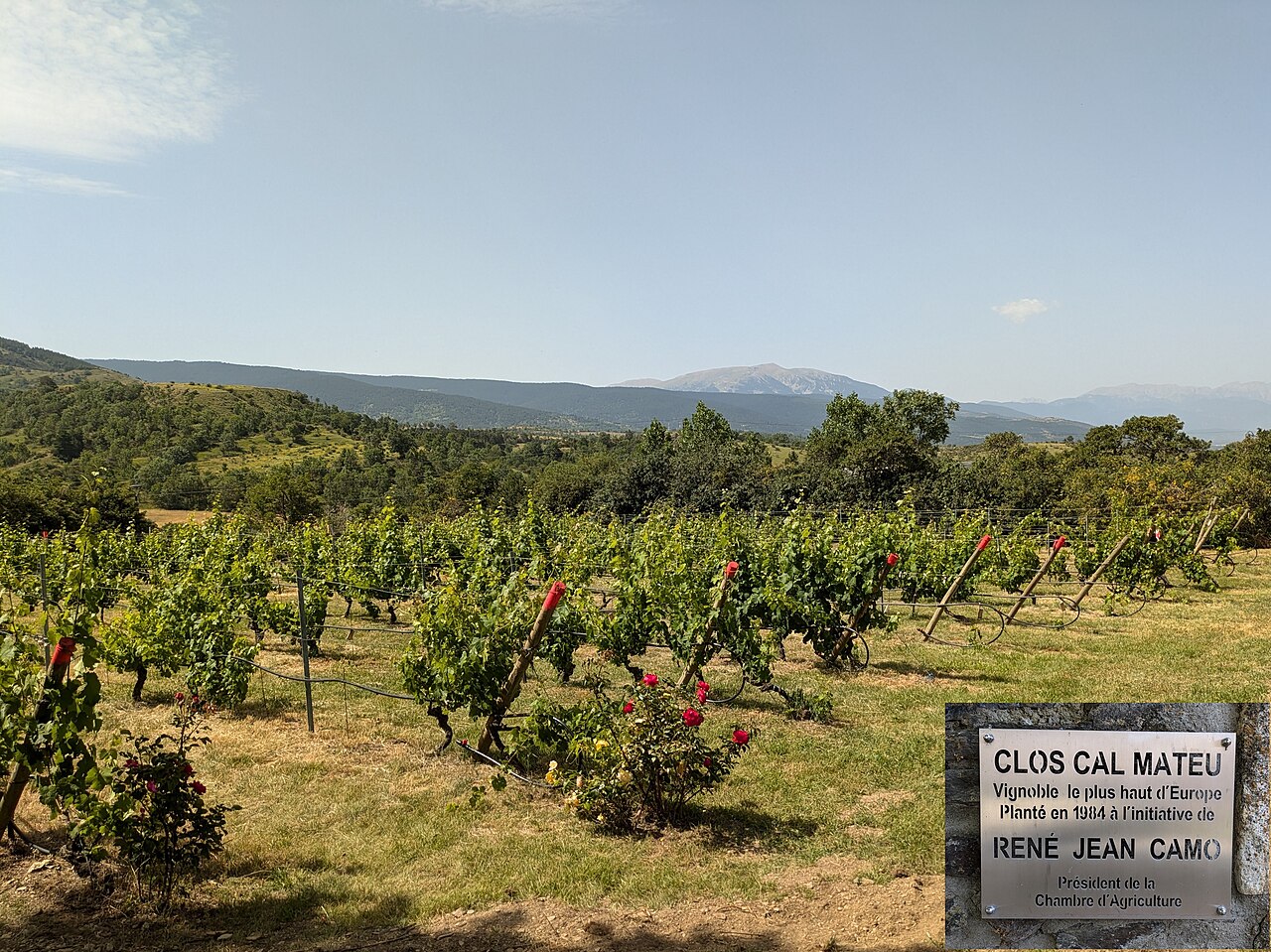
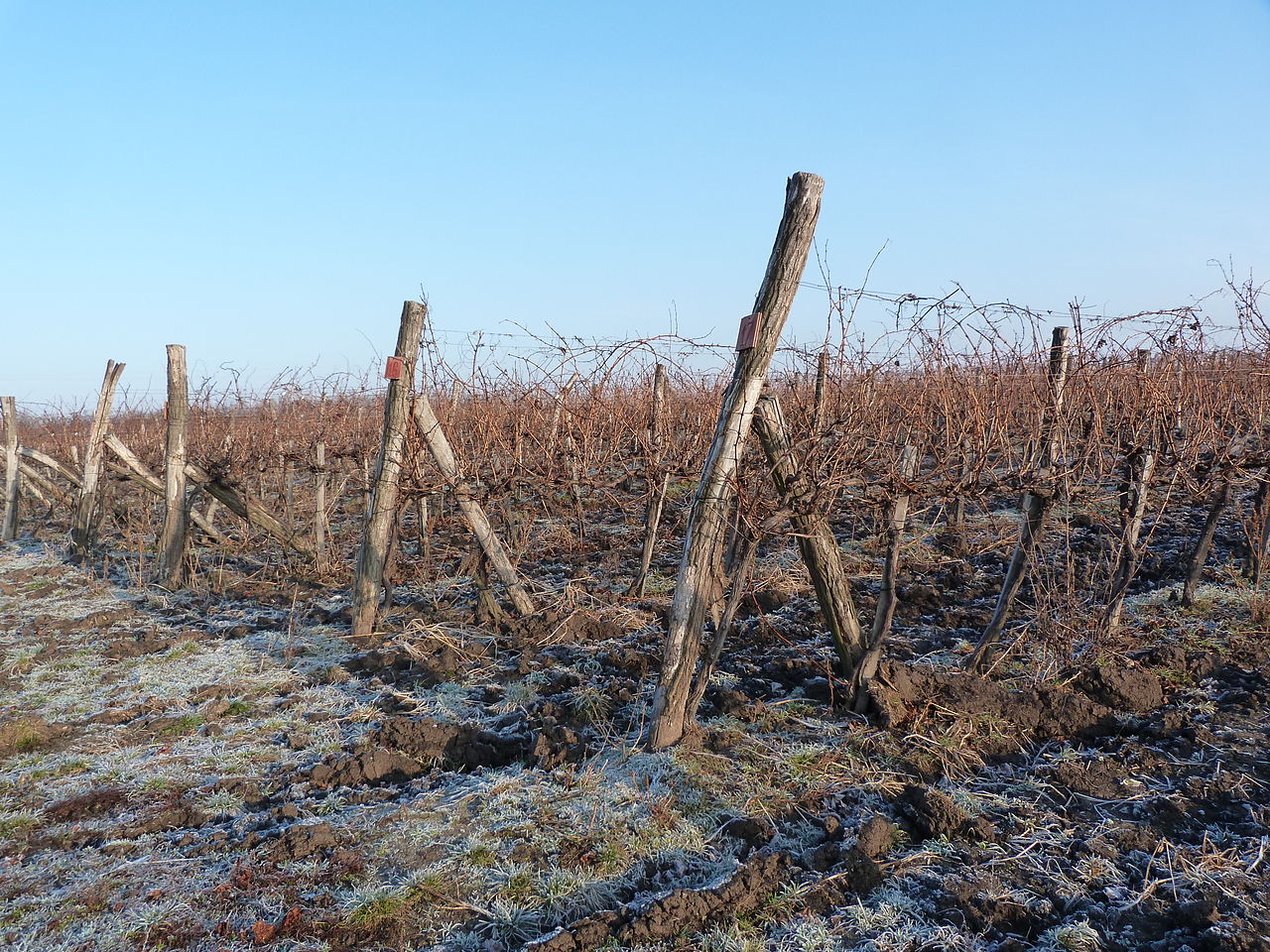
Vineyards vary in size from small family plots to large commercial estates. Typical elements include planted rows, supporting trellises or stakes, soil and drainage systems, access roads, and separate blocks for different varieties or clones. Microclimates, slope, and sun exposure are important factors in parcel layout.
- Rows and trellis systems: control vine training and canopy.
- Soil and rootstock: influence water availability and vigor.
- Blocks and varietal zoning: allow separate management for different grapes.
History and development
Human cultivation of grapevines dates back thousands of years in regions of the Near East and Mediterranean. Over centuries, techniques spread through trade and colonization, adapted to local climates and tastes. Modern vineyards are the product of both traditional practices and scientific advances in plant breeding, pest management, and mechanization.
Viticulture practices
Maintenance tasks in a vineyard include pruning, canopy management, pest and disease control, irrigation where applicable, and timing the harvest. Practices differ by climate, grape type, and production goal. Some operations emphasize low-intervention or organic methods; others use intensive management to maximize yield and consistency.
- Pruning and training to shape the vine and regulate yield.
- Canopy management to balance light and airflow.
- Soil care and cover crops to maintain fertility and prevent erosion.
- Harvesting decisions based on ripeness, sugar, acid, and flavor development.
Uses, economic importance, and examples
Vineyards are central to the wine industry, but their economic role extends to fresh grape markets, dried fruit production, and tourism. Many wine regions also support hospitality businesses such as tasting rooms and vineyard tours, linking agriculture with local economies. Research vineyards contribute to variety trials and rootstock development.
Notable distinctions and facts
Vineyards are often discussed in terms of terroir — the combined influence of soil, climate, and local culture on grape character — and in legal frameworks such as appellations that regulate origin and quality. Practices vary widely between small artisanal vineyards and large industrial growers, and there is growing interest in sustainable and biodynamic approaches.
For further reading, consult resources on grape varieties, winery operations, and wine production techniques via industry guides or academic overviews. Many introductory texts and extension services provide region-specific advice for prospective growers.
Grape varieties • Wineries and estate management • Wine production
Related articles
Author
AlegsaOnline.com Vineyard: Cultivation and Uses of Grapevines Leandro Alegsa
URL: https://en.alegsaonline.com/art/105423