
Cascade Range
Mountain range of western North America, known for volcanic peaks, temperate forests and alpine landscapes; extends from Northern California through Oregon and Washington into British Columbia.
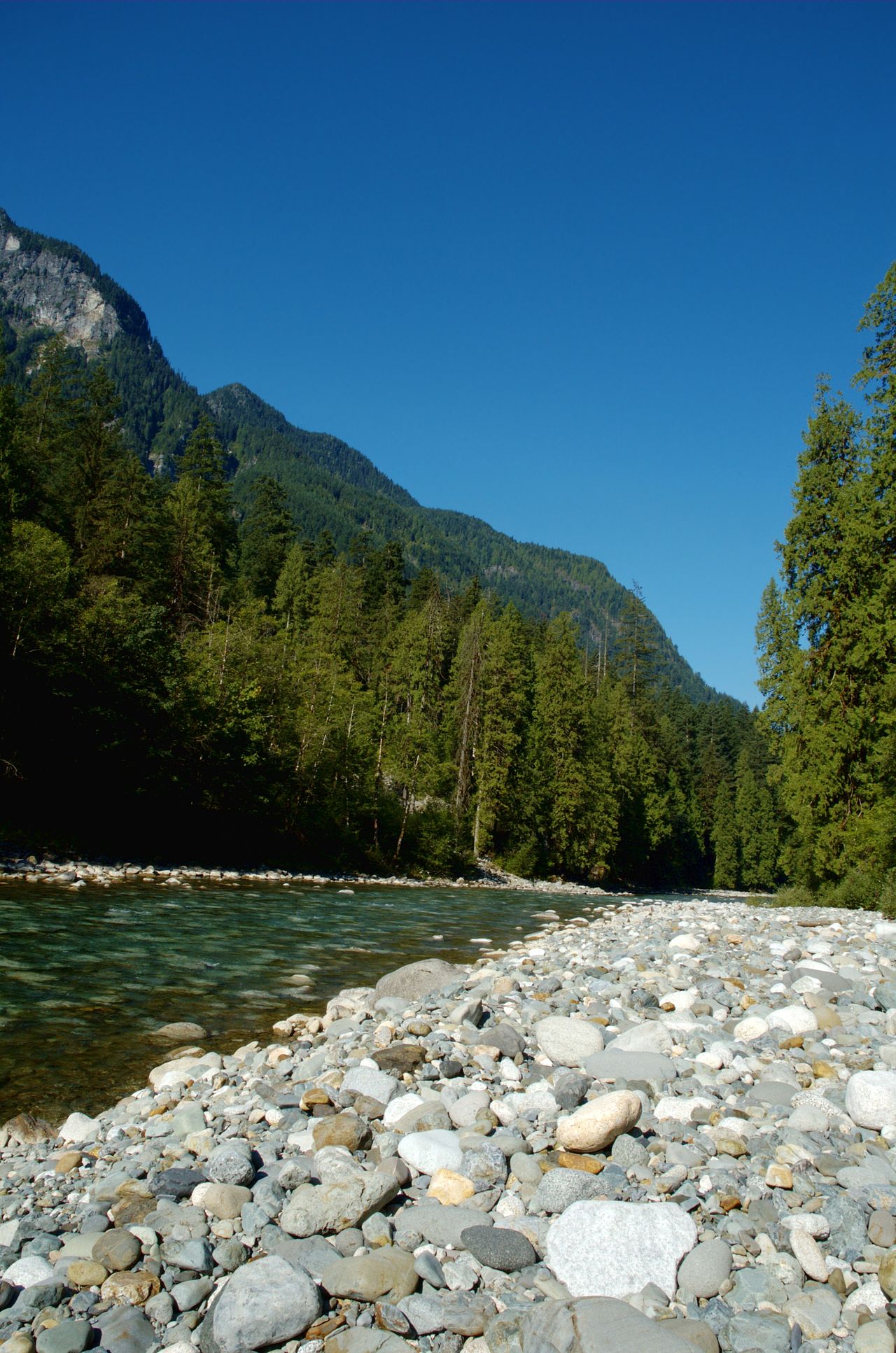
The Cascade Range is a major mountain chain in western North America that stretches roughly north–south from Northern California, through Oregon and Washington, and into British Columbia in Canada. The range is often subdivided into regions — for example the Western Cascades in northern California and the complex of peaks known as the North Cascades farther north — because rocks, relief and climate vary markedly along its length. The Cascades form a conspicuous physiographic feature of the Pacific Northwest and are a focal point for recreation, conservation and resource use.
Image gallery
10 Images




Geology and volcanism
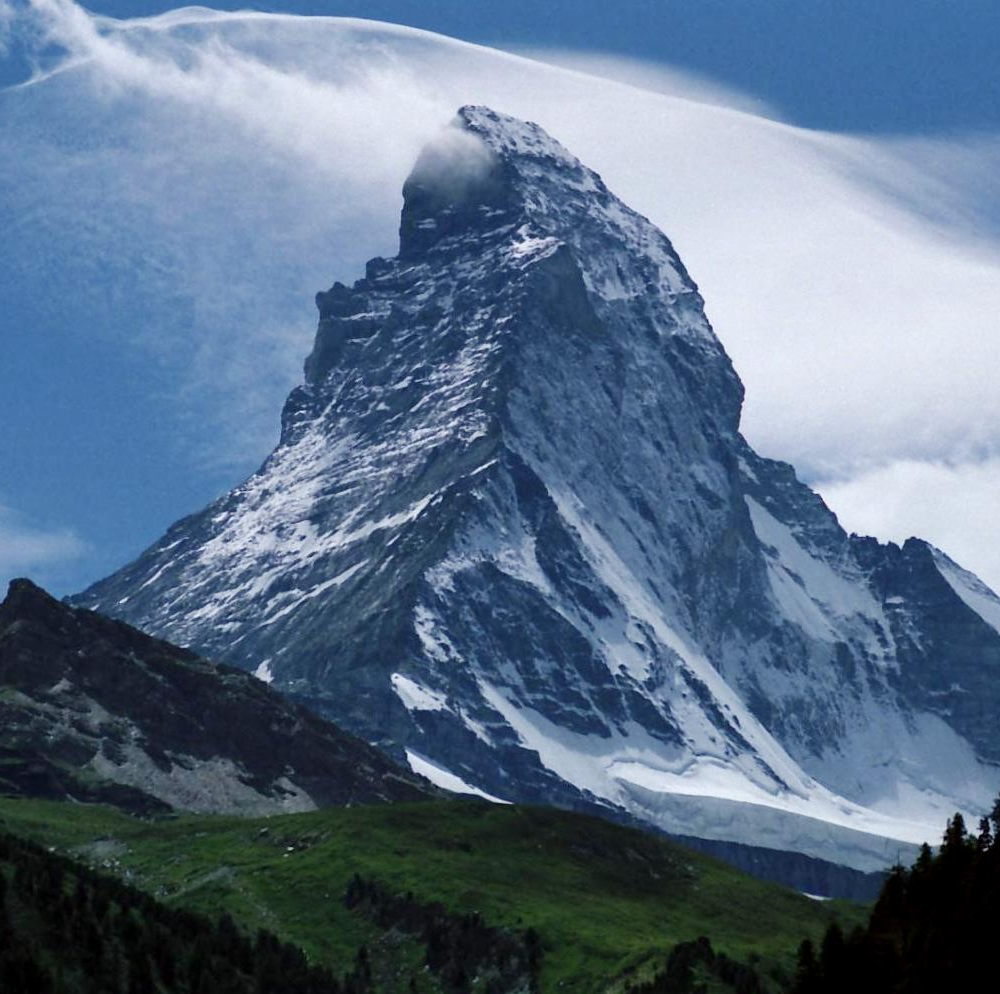
The range is volcanic in origin and lies within the broader Pacific Ring of Fire. Arc volcanism is driven by the subduction of oceanic plates beneath the North American Plate, producing a chain of stratovolcanoes and associated igneous complexes. Active and dormant volcanoes punctuate the range; among the most notable are Mount St. Helens, which famously erupted in 1980, Mount Rainier, the highest peak in the range, and Mount Shasta. Geologically the Cascades are part of the long mountain system called the American Cordillera, which parallels the western margins of the Americas.
Landscape, climate and ecosystems
The western slopes receive heavy precipitation from Pacific storms, creating lush temperate rainforests, dense conifer stands and extensive snowpacks at higher elevations. East of the crest, a rain shadow produces drier forests, shrubland and steppe. Elevation ranges from low foothills to glaciated summits, and many Cascades peaks host glaciers or permanent snowfields that feed rivers and influence seasonal streamflow. Vegetation zones change rapidly with altitude, supporting diverse wildlife and plant communities characteristic of the Pacific Northwest.
Human use, parks and hazards
Indigenous peoples have lived in and managed Cascade landscapes for millennia; later European exploration, settlement and industrial activities—timber harvesting, mining and hydroelectric development—shaped modern land use. The Cascades also attract hikers, climbers, skiers and campers and contain several protected areas and national parks centered on volcanic peaks. At the same time the range presents natural hazards: volcanic eruptions, lahars, landslides and earthquakes pose risks to nearby communities, and ongoing monitoring and emergency planning are important parts of regional safety efforts.
Notable peaks and places
- Mount Rainier — the highest summit in the Cascades and a dominant landmark visible from many lowland locations.
- Mount St. Helens — site of a major 20th-century eruption that reshaped surrounding terrain and ecosystems.
- Mount Shasta — a large, glacier-capped volcano in southern Cascades known for its prominence.
- North Cascades complex and parks — rugged, heavily glaciated terrain noted for alpine scenery and biodiversity; see North Cascades resources.
The Cascade Range remains an area of active scientific study because of its complex geology, dynamic volcanic history and important role in regional water supplies and ecosystems. Its scenic peaks, forests and rivers make it central to the natural identity of the Pacific Northwest and a focus for both conservation and sustainable recreation planning.
Questions and answers
Q: What is the Cascade Range?
A: The Cascade Range is a mountain range in western North America.
Q: What states does the Cascade Range go through?
A: The Cascade Range goes through Oregon and Washington, and Northern California.
Q: What is the Ring of Fire?
A: The Ring of Fire is a ring of volcanoes and associated mountains around the Pacific Ocean.
Q: What are some of the volcanoes in the Cascade Range?
A: Some of the volcanoes in the Cascade Range include Mount St. Helens, Mount Rainier, and Mount Shasta.
Q: What is the American Cordillera?
A: The American Cordillera is the almost continuous spine of mountains which runs right down the western side of the Americas.
Q: Where does the Cascade Range end?
A: The Cascade Range ends in British Columbia, Canada.
Q: What is the height of the highest mountain in the Cascade Range?
A: The highest mountain in the Cascade Range is Mount Rainier which is 14,411 feet or 4,392 metres.
Related articles
Author
AlegsaOnline.com Cascade Range Leandro Alegsa
URL: https://en.alegsaonline.com/art/17378
Sources
- geomaps.wr.usgs.gov : geomaps.wr.usgs.gov/parks/province/cascade2.html