
Waterway (navigable watercourse)
A waterway is any natural or engineered body of water usable for movement of people and goods by vessels. Articles covers types, navigability, history, uses, management and environmental concerns.
A waterway is any continuous water body that is suitable for human navigation and the movement of cargo or passengers. The defining feature of a waterway is navigability: sufficient depth, width and continuity to allow travel by boats or other craft, or the presence of structures and devices that make passage possible. In legal and planning contexts the term often emphasizes routes used for transportation over water rather than purely ecological or recreational waters.
Image gallery
5 Images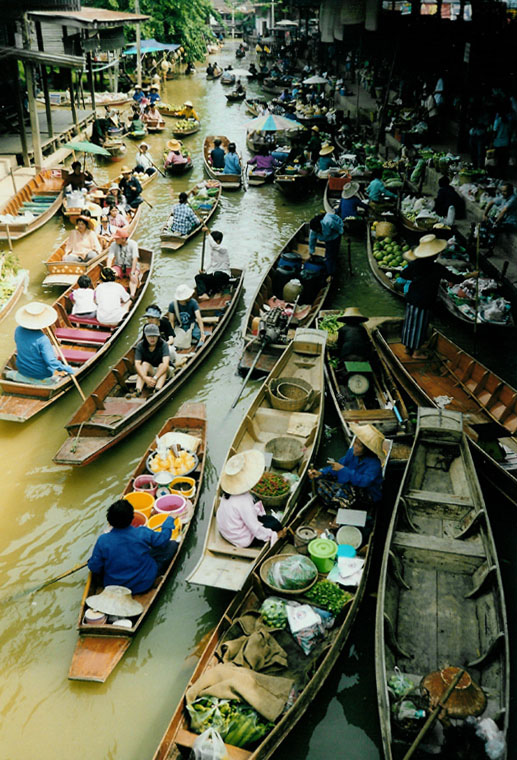


Types and examples
Waterways may be natural or artificial and vary greatly in scale and function. Common categories include:
- Rivers — flowing freshwater channels that often form major inland transport routes.
- Lakes — standing bodies of water that can support local navigation and ports.
- Oceans and coastal seas — the principal long-distance corridors for international shipping.
- Canals — engineered channels built to connect waterways, bypass obstacles or shorten routes.
Characteristics and infrastructure
Practical navigability depends on depth (draft), width, current, seasonal variation and the absence of impassable falls or rapids. Where natural conditions impede movement, engineers install physical solutions such as locks, chambers and bypass channels; see locks for controlled elevation changes. Regular maintenance like dredging and buoying is also essential to keep channels safe and reliable.
History and development
Humans have used waterways since prehistoric times for fishing, travel and trade. Over millennia, societies have expanded natural routes with harbors, locks and canals to boost commerce and strategic reach. Major canal projects in the modern era transformed global shipping by creating shorter or safer passages between oceans and seas.
Uses and importance
Waterways remain vital for bulk freight, bulk passengers, regional commuting, recreation and tourism. They often provide lower-cost, energy-efficient transport for heavy or bulky goods and support ports and related industries. Urban waterways also influence land use, real estate and cultural life in many cities.
Management, law and environment
Managing waterways balances navigation, flood control, ecological health and public access. Authorities regulate vessel traffic, dredging, pollution and construction to protect both commerce and habitat. Conservation measures address invasive species, water quality and the impact of shoreline development while planners weigh climate change and sea-level rise in long-term maintenance of navigable routes.
For further technical definitions, maintenance standards and legal frameworks, consult resources linked to specific categories above and to published guidelines on navigation and port operations.
Related articles
Author
AlegsaOnline.com Waterway (navigable watercourse) Leandro Alegsa
URL: https://en.alegsaonline.com/art/106869