
Willesden, North‑West London
Willesden is a district in north‑west London, historically in Middlesex and now in the London Borough of Brent, known for its transport hubs, diverse communities, parks and suburban development from the 19th century.
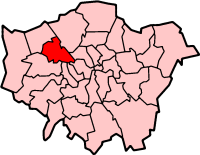
Willesden is an area of north‑west London administered within the London Borough of Brent. Historically part of the county of Middlesex, it grew from a rural parish to a suburban district during the 19th and early 20th centuries. The place name is Anglo‑Saxon in origin, recorded as Willesdune and commonly interpreted as "the hill of the spring" or a similar natural feature.
Image gallery
9 Images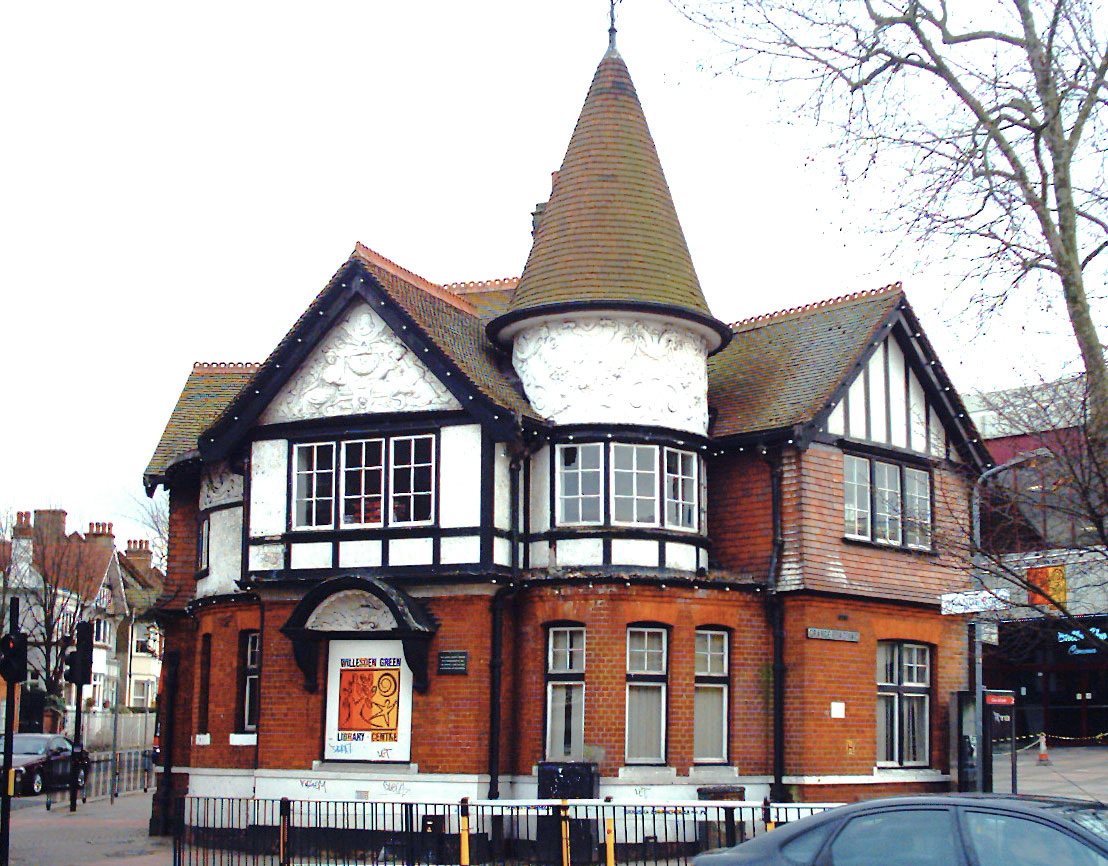




Geography and neighbourhoods
Willesden includes several informal neighbourhoods and commercial centres, the best known being Willesden Green and Willesden Junction. It lies close to Kilburn, Harlesden and Dollis Hill and forms part of the built‑up corridor of north‑west London. The urban fabric combines Victorian and Edwardian terraces, interwar and postwar housing estates, low‑rise flats and pockets of light industrial activity.
History and development
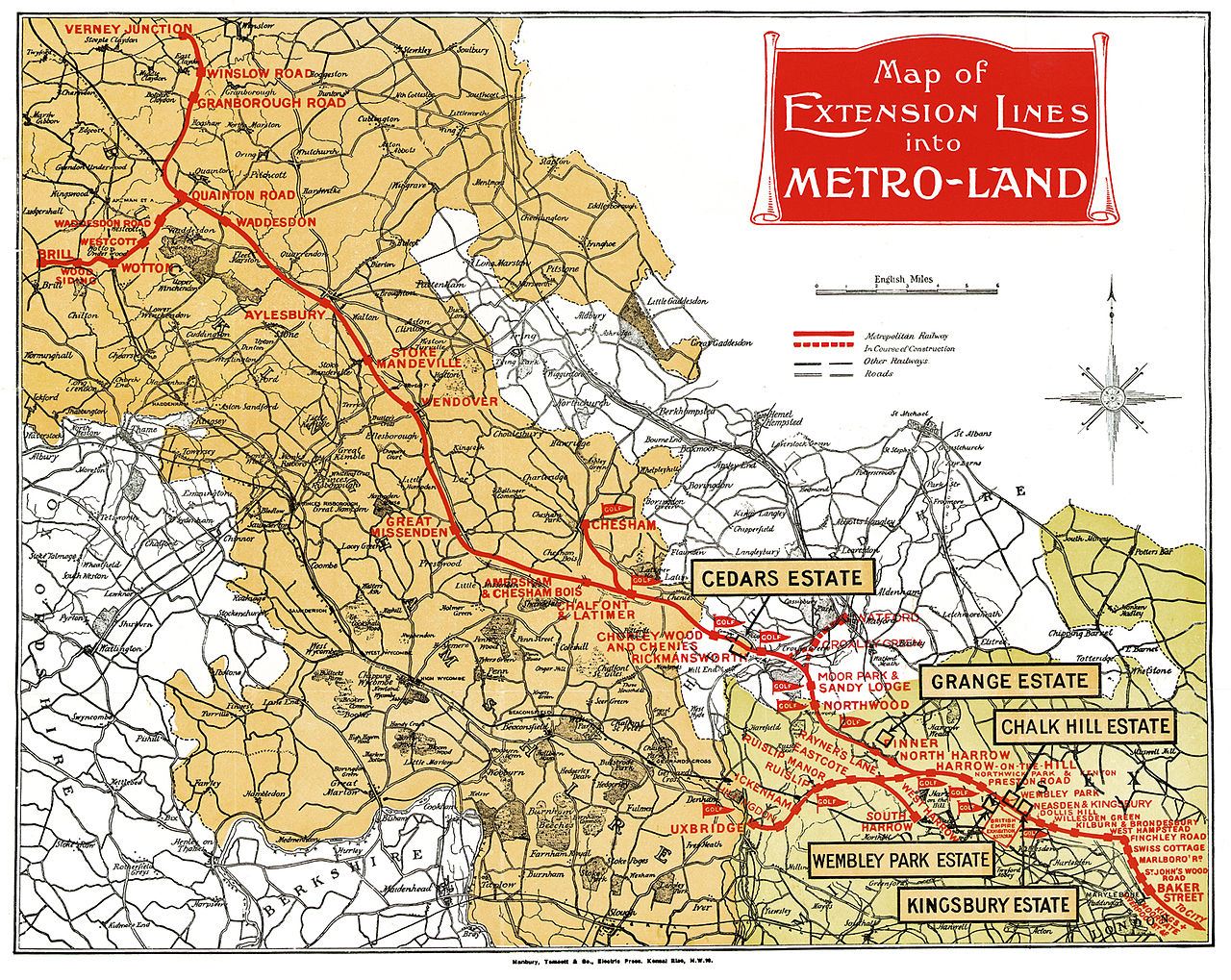
For many centuries Willesden was agricultural and centred on a parish church and scattered hamlets. The arrival of railways and underground services in the 19th century stimulated suburban development and the creation of local shopping streets and civic institutions. In 1965 local government reorganisation transferred the area into the newly formed London Borough of Brent.
Transport
Transport links have been central to Willesden's growth. Willesden Green is served by the Jubilee line, providing fast connections towards central London and eastwards, while Willesden Junction interchanges between the Bakerloo line and London Overground, with further rail services across west and north London. A network of bus routes links neighbourhoods and nearby town centres.
Community, culture and economy
Willesden has a long history of cultural and ethnic diversity, shaped by successive waves of migration across the 20th and 21st centuries. This diversity is reflected in local shops, places of worship, community organisations and small businesses. High streets offer groceries, eateries, and services serving a wide range of communities. Local initiatives and community centres host events, markets and social programmes.
Parks, recreation and landmarks
Local green spaces provide recreational opportunities: Roundwood Park and nearby Gladstone Park are popular destinations for walking and sport, while smaller squares and playing fields are scattered through the area. Historic features include the old parish church site and surviving Victorian civic buildings, which form part of Willesden's local character.
Built environment and change
Like many London districts, Willesden has experienced waves of redevelopment and renewal alongside conservation of distinctive streetscapes. Housing ranges from terraced houses to modern apartment developments. Ongoing local planning and community projects aim to balance new investment with protections for heritage and public amenities.
Practical information
- Principal transport nodes: Willesden Green (Jubilee line) and Willesden Junction (Bakerloo line, Overground).
- Local amenities: shops, schools, libraries, community centres and public parks.
- Character: residential suburb with multicultural retail streets and pockets of light industry.
Willesden's history from a rural parish to a busy suburban district exemplifies broader patterns in London's expansion: transport improvements, housing development and the layering of diverse communities over time.
Related articles
Author
AlegsaOnline.com Willesden, North‑West London Leandro Alegsa
URL: https://en.alegsaonline.com/art/108177
Sources
- brent-heritage.co.uk : "Willesden, London Borough of Brent"
- british-history.ac.uk : "Willesden: Settlement and growth - British History Online"