
Portland, Oregon: overview, history, culture, and notable features
Comprehensive overview of Portland, Oregon: geography, population, history, culture, nicknames, institutions, transportation and notable facts about the city and its metro area.
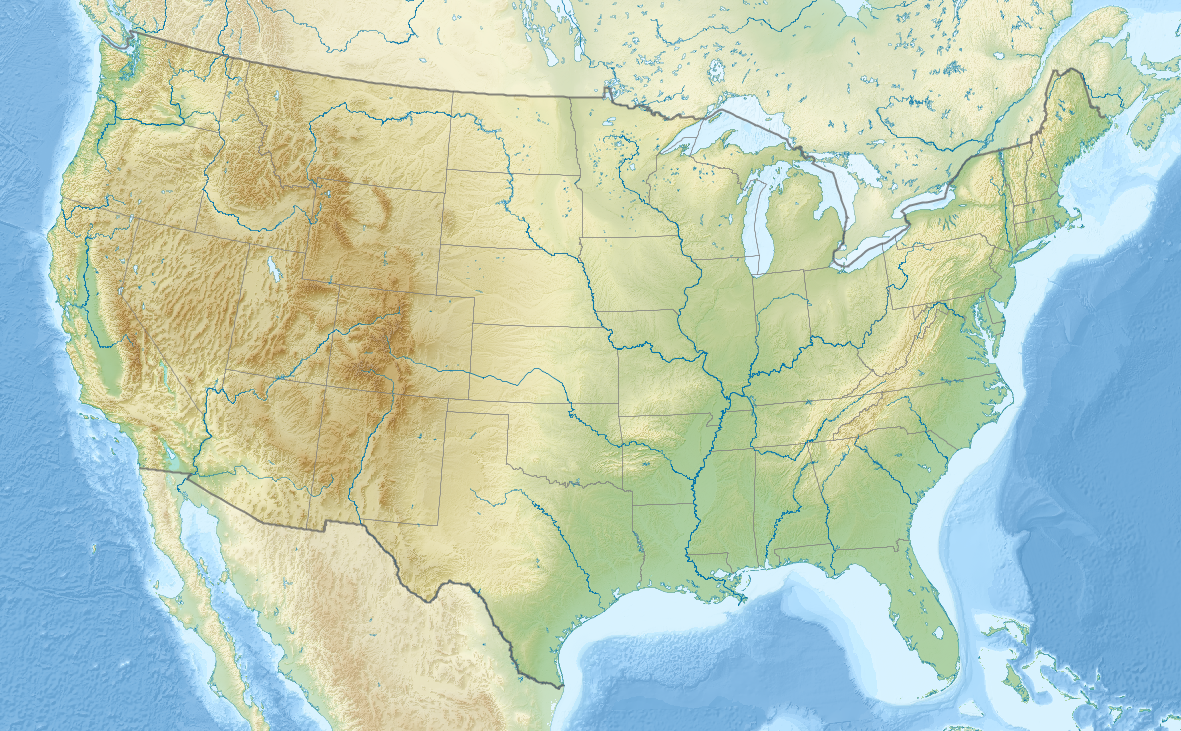
Portland is the largest city in the U.S. state of Oregon and serves as the county seat of Multnomah County (county seat). The city itself is home to roughly 538,544 residents (city), while the broader metropolitan area contains nearly 1,927,881 people (metropolitan area). Portland sits in the northern part of Oregon at the confluence of the Willamette River and the Columbia River, and is the second-most populous city in the American Northwest region of the United States.
Locals and visitors know Portland by several nicknames (nicknames). "The City of Roses" is a long-standing sobriquet reflecting the favorable climate for growing roses and the city's annual rose festival. Other informal names—such as "Stumptown," a reminder of the city’s origins on cleared forest land, and "Puddletown," a nod to frequent overcast and rainy conditions—capture different pieces of Portland's character.
Portland has a distinctive cultural scene. It is home to notable independent institutions, including Powell's Books (Powell's Books), one of the largest independent bookstores in the country. Children's author Beverly Cleary lived in and wrote about the city; several of her beloved fictional characters are celebrated locally. The city's professional basketball franchise, the Portland Trail Blazers, is a major sports presence and local point of pride.
Geography and climate shape life in Portland. The urban area occupies river valleys with a backdrop of nearby mountains and forested hills. The climate is characterized by wet, cool winters and dry, warm summers, which supports abundant urban greenery and large parklands. The Willamette River divides the city and is crossed by numerous bridges, giving Portland the informal moniker "Bridge City."
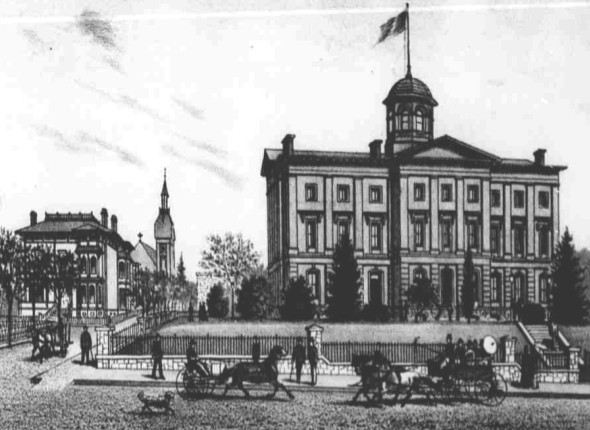
Historically, Portland developed in the mid-19th century as a trading, shipping and timber center. Its river location and rail connections helped it grow into the region's economic hub. During the 20th and early 21st centuries, Portland became known for a mix of industrial activity and progressive urban planning—efforts that included preservation of public parks, an urban growth boundary to limit sprawl, and investment in public transit.
Image gallery
10 Images




Notable features and civic life
- Parks and green space: Extensive public parks and trails, including Forest Park and riverfront greenways, make outdoor recreation accessible.
- Transportation: A multi-modal network of buses, light rail, streetcars and bike infrastructure supports commuting and tourism.
- Economy and education: A diverse economy includes tech, manufacturing, education and creative industries; several universities and colleges contribute to research and cultural life.
- Food and culture: Portland is widely recognized for its independent restaurants, food carts, craft breweries, coffee scene and arts community.
- Events and festivals: Annual celebrations such as the Rose Festival and numerous music and arts events draw regional visitors.
- Bridges and waterways: The city's many river crossings and active waterfronts are both functional infrastructure and civic landmarks.
Portland remains celebrated for its balance of natural setting and urban amenities, its independent businesses and cultural institutions, and its history as a Pacific Northwest gateway. For readers seeking more detailed guides—on neighborhoods, transit routes, civic institutions, or cultural programs—local municipal resources and visitor bureaus provide maps, schedules and current event listings via official channels (state, Oregon, and other local pages referenced above).
Summary: Portland combines riverine geography, a temperate climate, active civic planning and a vibrant cultural life. It remains a prominent city in the Pacific Northwest with a distinct local identity shaped by history, environment and community institutions.
Questions and answers
Q: What is Portland?
A: Portland is the largest city in the U.S. state of Oregon and the county seat of Multnomah County.
Q: How many people live in Portland?
A: About 538,544 people live in the city of Portland, and about 1,927,881 people live in the city's metropolitan area.
Q: Where is Portland located?
A: Portland is located in northern Oregon, where the Willamette River meets the Columbia River.
Q: What is the second most populous city in the Northwest United States?
A: The second most populous city in the Northwest United States is the city of Seattle.
Q: What are some of Portland's nicknames?
A: Some of Portland's nicknames are "The City of Roses," "Stumptown," and "Puddletown."
Q: What are some things that are from Portland?
A: Some things from Portland are Powell's Books, Beverly Cleary, and the Portland Trail Blazers basketball team.
Q: Who are some popular fictional characters created by Beverly Cleary that have statues in Portland?
A: Some popular fictional characters created by Beverly Cleary that have statues in Portland are Henry Huggins and Ramona Quimby, which are located in the city's Beverly Cleary Sculpture Garden for Children.
Related articles
Author
AlegsaOnline.com Portland, Oregon: overview, history, culture, and notable features Leandro Alegsa
URL: https://en.alegsaonline.com/art/78282
Sources
- portlandoregon.gov : "City Home"
- tools.wmflabs.org : 45°33′31″N 122°46′43″W / 45.55873°N 122.77854°W / 45.55873; -122.77854 (Portland highest elevation)
- portlandoregon.gov : "City of Portland Urban Services Area"
- tools.wmflabs.org : 45°39′03″N 122°45′46″W / 45.65096°N 122.76289°W / 45.65096; -122.76289 (Portland lowest elevation)
- water.weather.gov : "Advanced Hydrologic Prediction Service: Portland: Columbia River at Vancouver"
- factfinder2.census.gov : "American FactFinder"
- geonames.usgs.gov : "US Board on Geographic Names"