
White Sea: geography, history, ecology and human uses
The White Sea is a southern inlet of the Barents Sea on Russia’s northwest coast. This article summarizes its geography, climate, ecology, ports, historical role and contemporary uses and conservation issues.
Overview
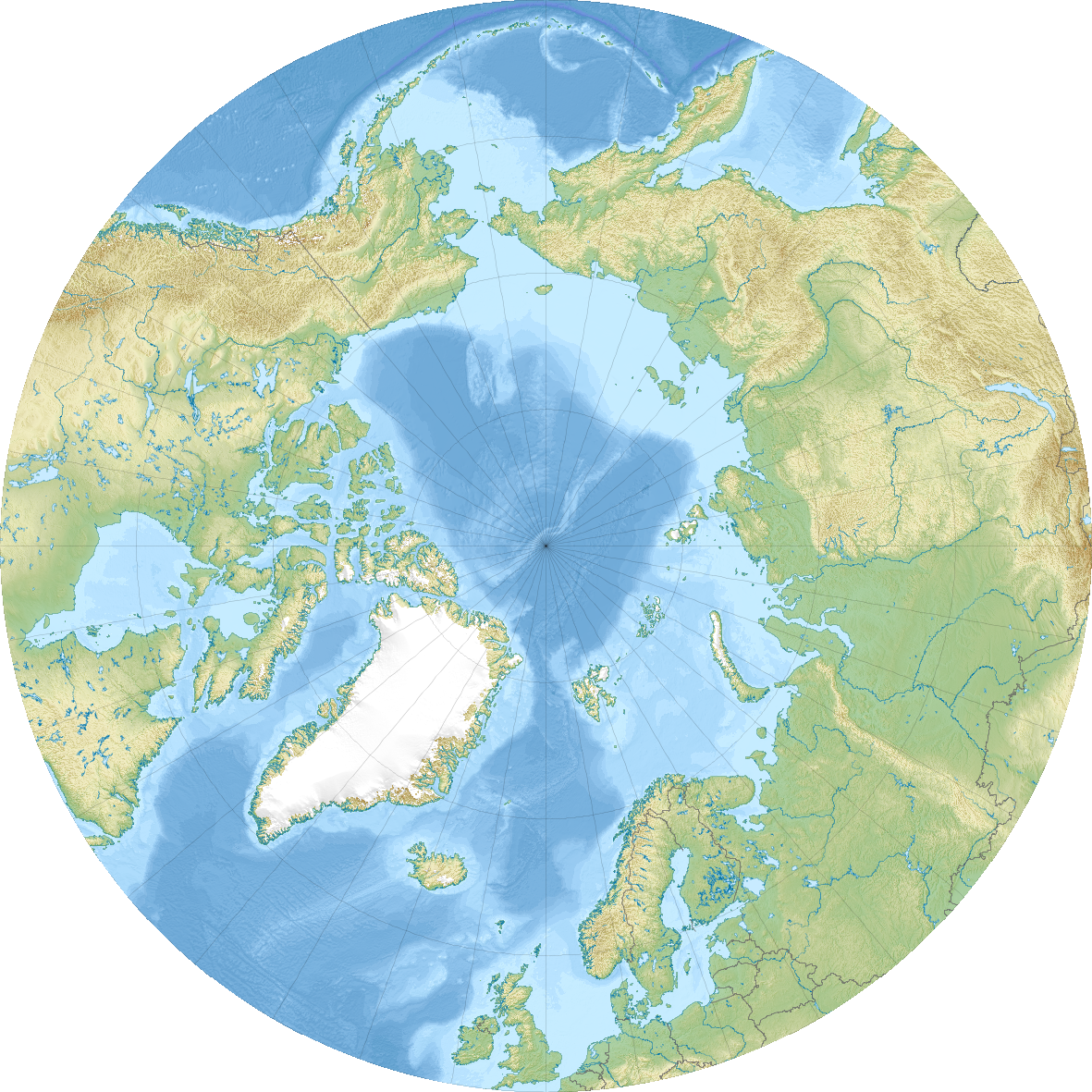
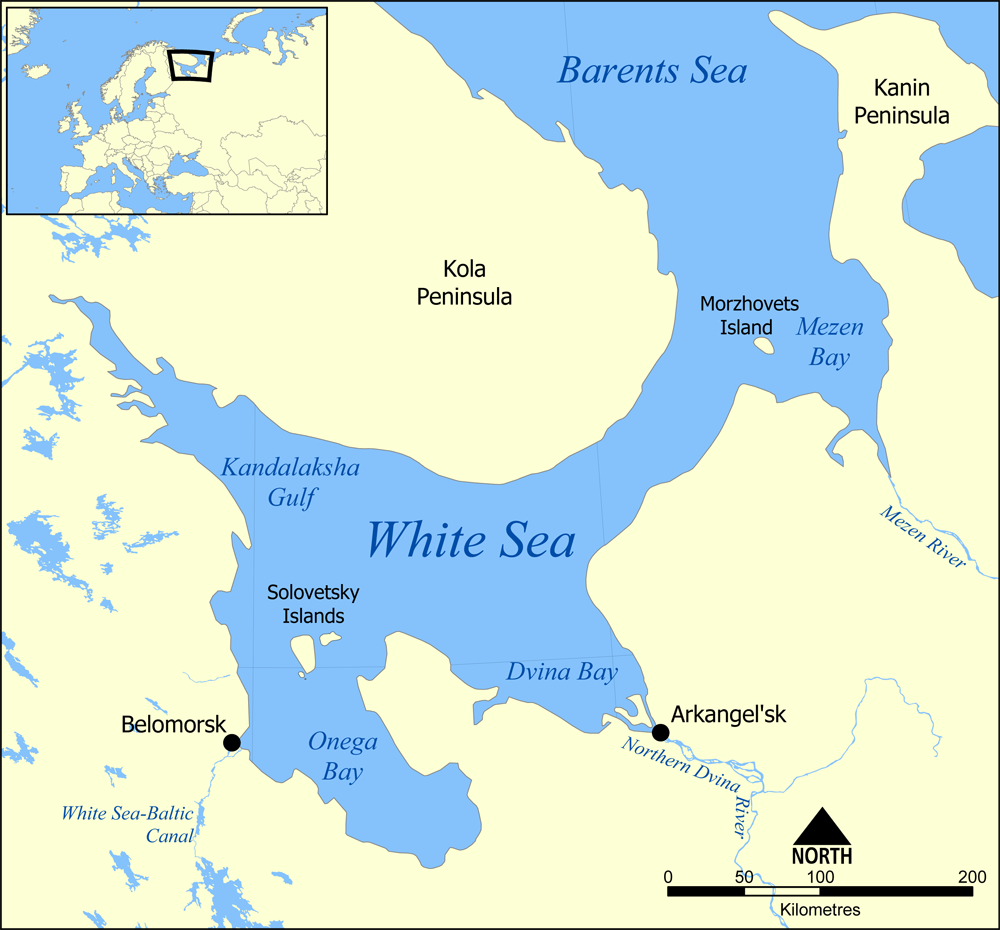
The White Sea is a shallow, inland arm of the Arctic Ocean system lying off the northwest shore of Russia. It forms the southern extension of the larger Barents Sea and is bounded by the Kola Peninsula to the north, the Kanin Peninsula to the northeast and the region of Karelia to the west. Administratively the sea is shared among Arkhangelsk and Murmansk oblasts and the Republic of Karelia; much of its waters are treated as internal Russian waters and major ports such as Arkhangelsk lie along its shores.
Image gallery
9 Images




Geography and hydrology
The White Sea is characterized by a complex coastline with several large gulfs and bays. Principal inlets include the Dvina (Mezen) Bay, Onega Bay and Kandalaksha Gulf, and the archipelago of islands such as the Solovetsky Islands occupy its central area. Large rivers including the Northern Dvina and the Onega deliver fresh water, sediments and nutrients to the basin, lowering salinity compared with open Arctic seas.
- Depth and circulation: the sea is relatively shallow with restricted exchange with the Barents Sea, producing distinct water layers and seasonal stratification.
- Ice and climate: it is subject to strong seasonal freezing; ice cover develops in autumn and typically clears in late spring or summer, influencing navigation and ecosystems.
History and human use
The White Sea has been an important maritime region for centuries. Indigenous coastal communities and the Pomors of northwest Russia developed local fisheries and trade routes. From the early modern period the port of Arkhangelsk was a principal outlet for Russian trade with northern Europe before St. Petersburg rose to prominence.
In the 20th century the Soviet state emphasized the sea for naval and industrial purposes. The construction of the White Sea–Baltic Sea Canal in the 1930s linked the basin to the Baltic, opening an inland waterway but also carrying a legacy tied to forced labor during its construction. Shipyards at Severodvinsk and naval installations have made the area strategically important for submarine construction and maritime defense.
Resources, economy and society
- Fisheries: the White Sea supports coastal fisheries—cod, herring, salmon and various crustaceans are economically significant for local communities.
- Ports and shipping: Arkhangelsk and other harbors handle cargo, timber and serve regional transport; seasonal ice limits navigation.
- Tourism and culture: the Solovetsky Islands and coastal cultural landscapes are destinations for pilgrimage and heritage tourism, reflecting long histories of monastic life and seafaring.
Ecology and conservation
Biologically the White Sea hosts marine mammals such as seals and a range of seabirds; some cetacean species and the beluga are reported in parts of the basin. Its shallow waters and productive coastal zones are important breeding and feeding grounds. Environmental pressures include industrial pollution, shipping risks, habitat disturbance and the effects of climate warming on ice cover and species distributions. Russia and international scientific programs monitor the sea, and there are protected areas and reserves aimed at conserving key habitats and cultural sites.
Notable facts and distinctions
The English name places the sea among a small group of color-named seas: the White Sea, the Black Sea, the Red Sea and the Yellow Sea. The origin of its name is not certain—interpretations range from references to its ice cover, the bright surface in certain conditions, or traditional naming practices. Today the White Sea remains a gateway between inland Russia and the Arctic, carrying historical, economic and environmental significance.
Questions and answers
Q: Where is the White Sea located?
A: The White Sea is located on the northwest coast of Russia.
Q: What bodies of land border the White Sea?
A: Karelia borders the White Sea to the west, the Kola Peninsula to the north, and the Kanin Peninsula to the northeast.
Q: Who controls the White Sea?
A: The White Sea is under Russian control and considered to be part of the internal waters of Russia.
Q: Which areas of Russia claim the White Sea as their own?
A: The White Sea is divided between Arkhangelsk and Murmansk Oblasts and the Republic of Karelia.
Q: What is the major port located on the White Sea?
A: The major port located on the White Sea is Arkhangelsk.
Q: What is the White Sea-Baltic Canal?
A: The White Sea-Baltic Canal is a canal that connects the White Sea with the Baltic Sea.
Q: How many seas are named in English after common colour terms?
A: Four seas are named in English after common colour terms, including the White Sea, the Black Sea, the Red Sea, and the Yellow Sea.
Related articles
Author
AlegsaOnline.com White Sea: geography, history, ecology and human uses Leandro Alegsa
URL: https://en.alegsaonline.com/art/107851
Sources
- bse.sci-lib.com : White Sea
- britannica.com : White Sea
- tapemark.narod.ru : Seas of USSR. White Sea