
Wet Tropics of Queensland
Ancient tropical rainforests along Queensland’s northeastern coast, a World Heritage region notable for exceptional biodiversity, living evolutionary history and strong cultural and scientific significance.
The Wet Tropics of Queensland form a narrow, verdant belt of rainforest along Australia's northeast coast that is recognized for its exceptional natural values. Designated as a UNESCO World Heritage area, the site preserves some of the oldest continuously surviving tropical rainforests on Earth. These forests are a living archive of deep evolutionary history and support a high concentration of unique plants and animals.
Image gallery
8 Images





Location, size and landscape
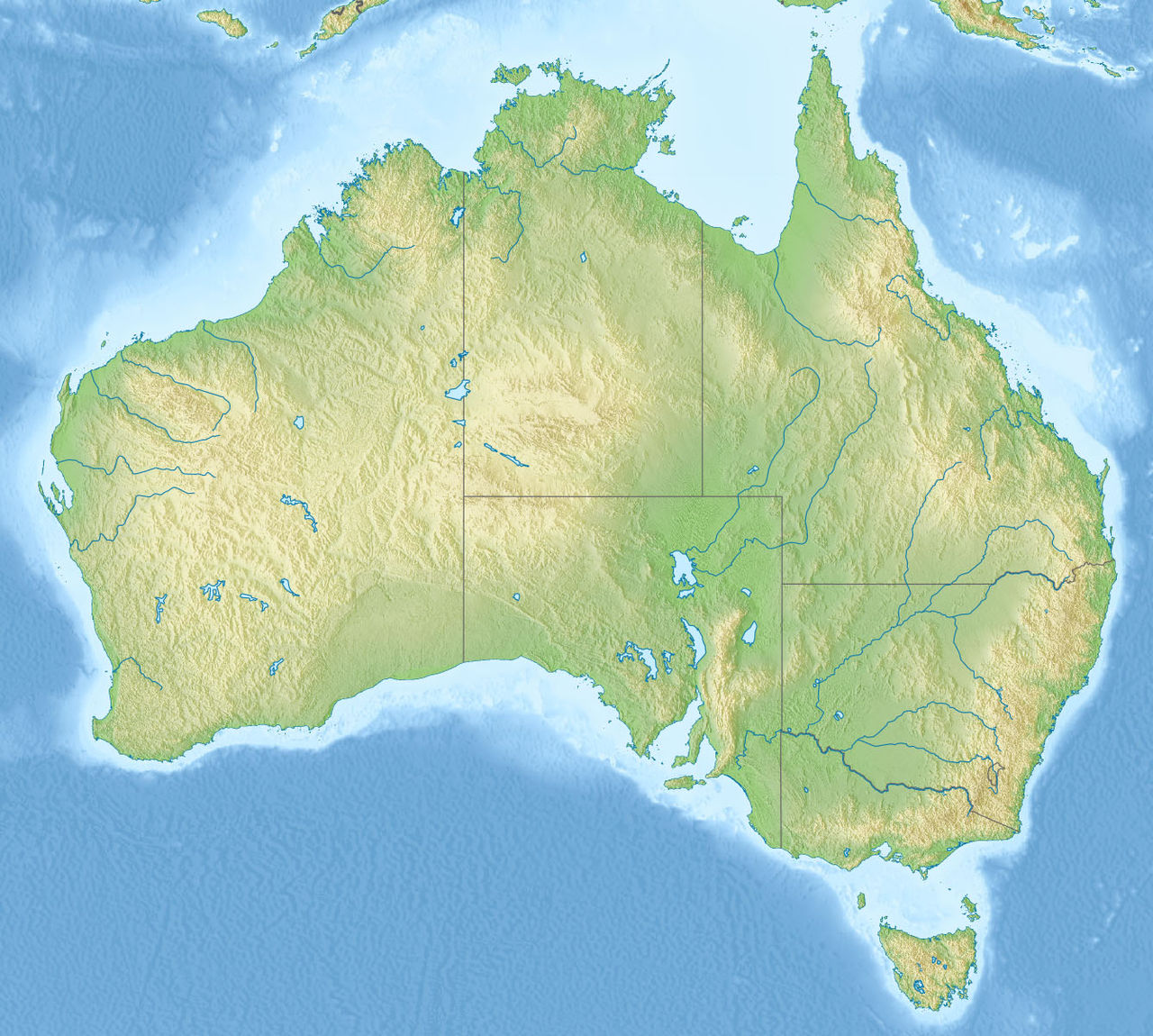
The Wet Tropics extend roughly from just north of Townsville to just south of Cooktown, a coastal distance commonly cited at about 450 km (approximately 280 mi). The World Heritage area comprises hundreds of separate blocks of protected land covering around 894,420 hectares (about 2,210,160 acres), including dozens of national parks and reserves. The terrain ranges from coastal lowlands and river valleys to rugged uplands and tablelands, creating many local climates and habitats within a compact region.
Ecology and biodiversity
Approximately 80% of the Wet Tropics is rainforest, and the region supports exceptionally high levels of biodiversity and endemism. It contains ancient plant lineages and living representatives of groups that were once widespread across the supercontinents of Pangea and Gondwana. Scientists describe the area as recording up to 415 million years of evolutionary history. Many familiar Australian animal groups, including a large proportion of the country's marsupials, trace their origins to rainforest ecosystems, and close relatives of those early forms still occur here (see marsupials).
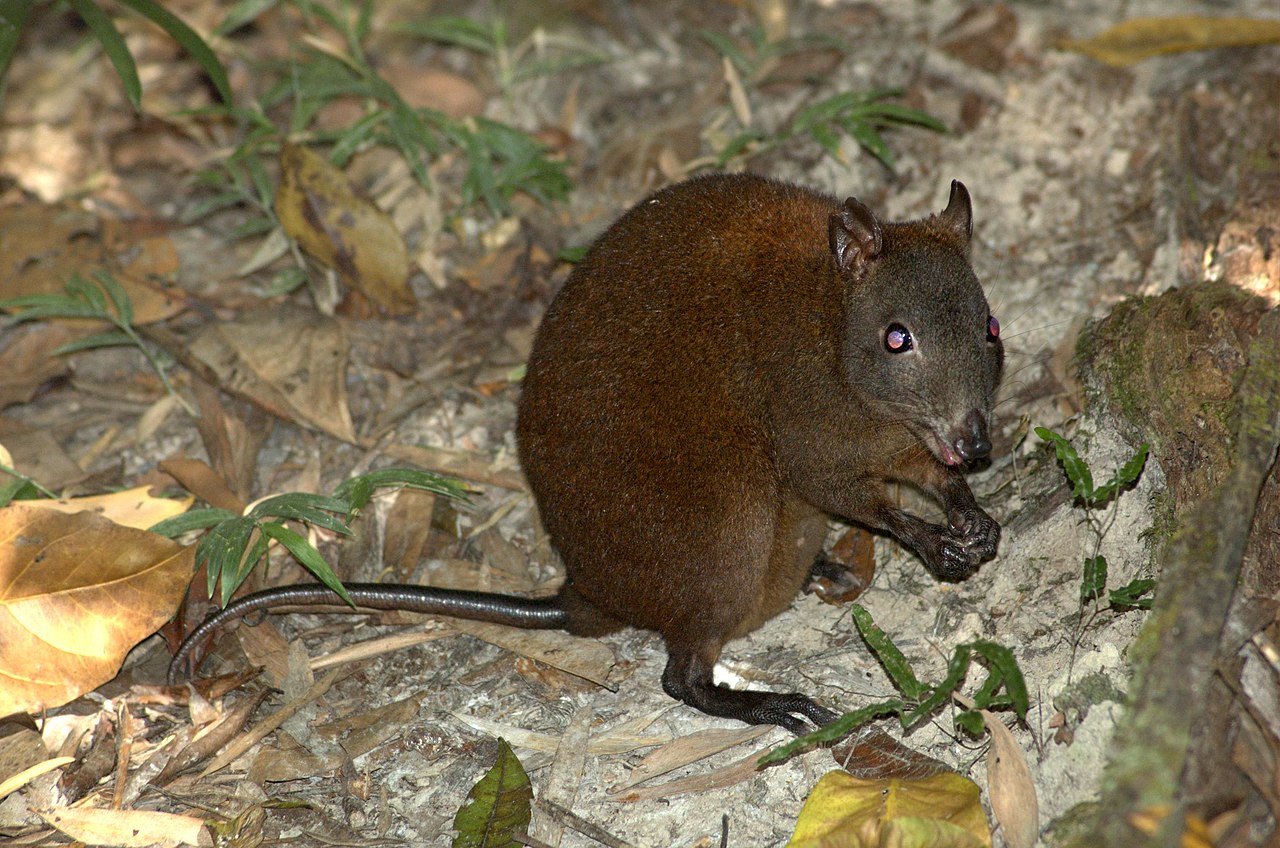
- Notable species: southern cassowary, tree-kangaroos, musky rat-kangaroo, diverse frogs and many endemic birds and insects.
- Plant groups: ancient ferns, cycads, towering canopy trees and myriad understory species that reflect deep Gondwanan connections (Gondwana).
History and scientific importance
The Wet Tropics are of major scientific interest because they preserve primitive and relict species that illuminate the evolution of plants and animals on southern continents. Fossil evidence and comparative biology show how shifting climates and continental breakup shaped modern biotas; the region is therefore an important natural laboratory for paleoecology, systematics and conservation biology. Researchers and students worldwide come to study evolutionary processes, species interactions and rainforest ecology here.
People, conservation and threats
For millennia, the rainforests of northeastern Queensland have been home to Aboriginal and Torres Strait Islander peoples, whose cultural connections to land and resources are integral to the area's identity and contemporary management. Modern conservation measures—including national park protection, scientific research and collaborative land management—seek to maintain ecological integrity across the mosaic of protected blocks. Threats include invasive species, altered fire regimes, habitat fragmentation, development pressure and the long-term impacts of climate change. Protection under the World Heritage listing helps coordinate conservation, tourism management and research across the region.
The Wet Tropics combine outstanding natural beauty, high biodiversity and deep cultural meaning. They remain a key priority for conservation and scientific study, illustrating how ancient ecosystems persist and continue to inform our understanding of life on Earth. For further information and management details see official resources and research portals (UNESCO, World Heritage, site descriptions and regional guides).
Related articles
Author
AlegsaOnline.com Wet Tropics of Queensland Leandro Alegsa
URL: https://en.alegsaonline.com/art/107617
Sources
- wettropics.gov.au : "Wet Tropics Management Authority - Managing a World Heritage Area"
- whc.unesco.org : "Wet Tropics of Queensland - UNESCO World Heritage Centre"