
Arnsberg — town in the Sauerland, North Rhine-Westphalia
Arnsberg is a historic town in the Sauerland region of North Rhine-Westphalia, Germany. It is a regional administrative centre with a medieval core, forested surroundings and outdoor recreation.

Arnsberg is a mid-sized town in the German state of North Rhine-Westphalia, situated in the hilly Sauerland region. It serves as the administrative centre of the surrounding district and is home to roughly 74,000 people. The population has traditionally had a strong Catholic presence, reflecting the cultural patterns of this part of Westphalia.
Image gallery
10 Images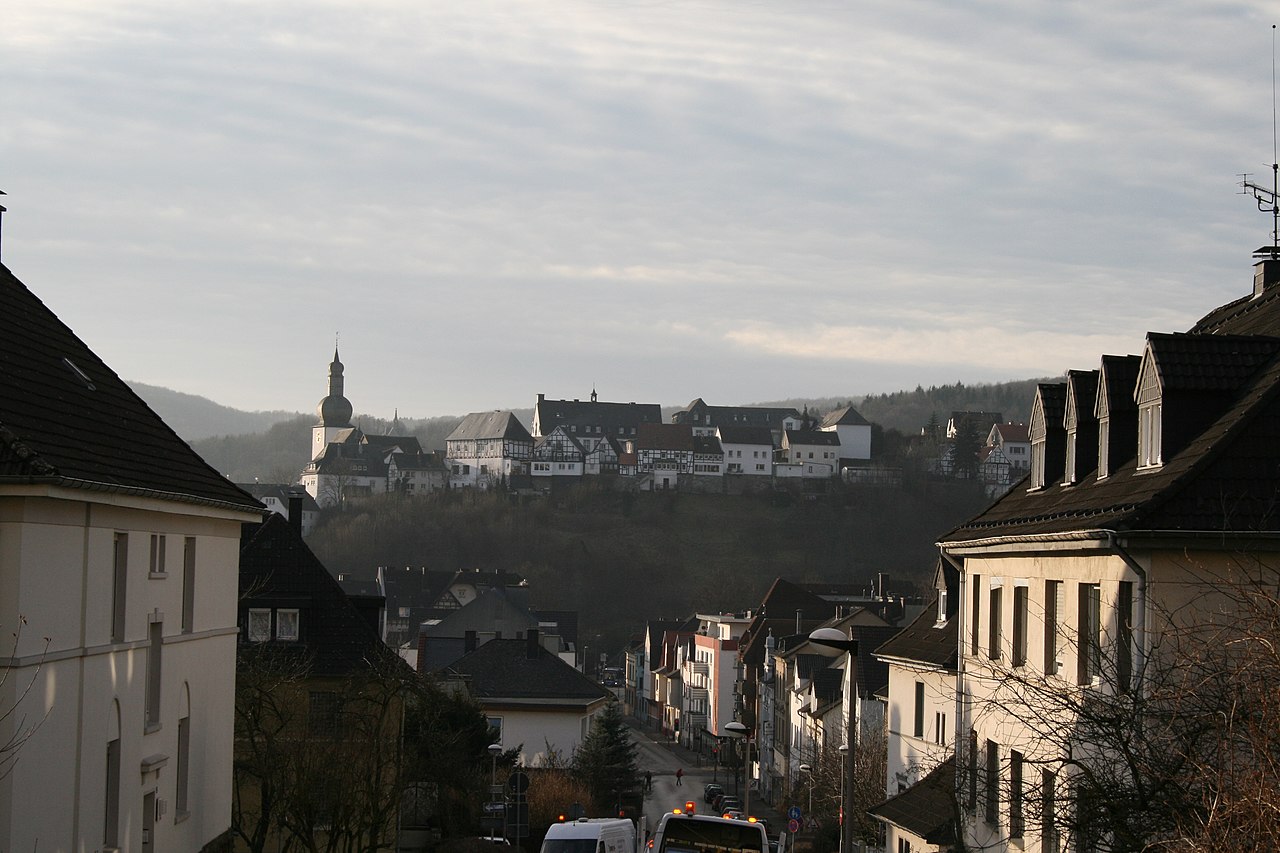


Geography and environment
The town lies in a mixed landscape of river valleys and forested hills, with the Ruhr valley running through the municipal area. Its setting makes Arnsberg a gateway to outdoor recreation: hiking, cycling and water-based leisure are popular on nearby reservoirs and in the surrounding state forests. The combination of town and countryside is a defining feature.
History and development
Arnsberg has medieval roots and historically developed around a castle and fortified centre overlooking the river. Over the centuries it grew as a local market and administrative hub. In the 20th century municipal reforms expanded the town by incorporating nearby villages and parishes, creating the modern municipal boundaries.
Economy, transport and services
The local economy mixes public administration, small and medium-sized enterprises, retail and service industries. Arnsberg is connected by regional roads and rail links to larger cities in North Rhine-Westphalia, providing commuting and commercial links while retaining a more tranquil local character.
Culture, sights and recreation
The town offers a preserved historic centre with churches, remnants of the old castle and museums that interpret local history. Regular markets, cultural events and seasonal festivals reflect regional traditions. Visitors and residents alike value the close access to green spaces, trails and waterways for leisure and nature activities.
For municipal details, services and visitor information consult the town's official pages and regional resources: municipal information.
Tags
Related articles
Author
AlegsaOnline.com Arnsberg — town in the Sauerland, North Rhine-Westphalia Leandro Alegsa
URL: https://en.alegsaonline.com/art/5806