
White flight: mid-20th century urban migration and its effects
White flight describes large-scale moves of white residents from cities beginning in the mid-20th century, the causes and consequences for urban demographics, housing and regional politics in the US and Europe.
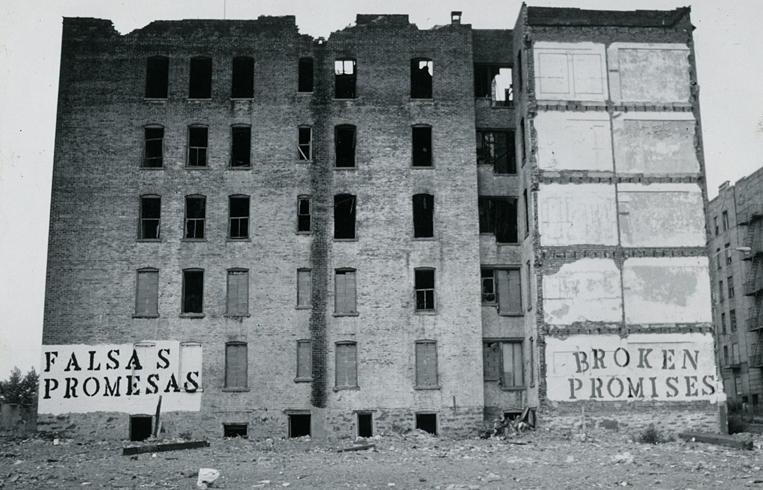
White flight refers to the mass movement of many white residents out of densely populated urban neighborhoods and central cities beginning in the mid-20th century. The phrase is used in studies of both the European and the United States context and usually denotes relocation from older metropolitan cores to suburbs or to regions perceived as more economically promising, such as parts of the Arizona and Texas Sun Belt.
Image gallery
3 Images

Typical characteristics and geography
Patterns varied by place, but common features included reduced white population shares in many Midwestern and Northeastern cities. Examples often cited in literature include Chicago, Detroit and St. Louis. The movement frequently took the form of suburbanization, interstate migration toward the South and West, and selective neighborhood turnover within metropolitan areas. Researchers sometimes use the term to describe demographic change at neighborhood, city, or regional scales (Midwestern states being a frequent focus in U.S. studies).
Causes
White flight arose from a mix of social, economic and policy factors rather than a single cause. Commonly cited contributors include housing policy (federal mortgage guarantees and highway construction that facilitated suburbs), deindustrialization and job shifts, discriminatory practices such as redlining and racial covenants, reactions to desegregation and court-ordered busing, and real estate practices like blockbusting. Individual motivations ranged from seeking newer housing and schools to avoiding interracial contact; scholarly accounts emphasize institutional incentives as well as personal choices.
Consequences and examples
- Declining tax base and investment in some central cities, with increased poverty concentration.
- Greater residential segregation between racial and income groups.
- Political and regional shifts as population moved to suburbs and to the Sun Belt.
Consequences were not uniform: in later decades some urban neighborhoods experienced reinvestment and gentrification, while other metropolitan areas remained deeply divided. Policy responses have included fair housing laws, metropolitan planning, and targeted urban renewal efforts.
Notable distinctions
In European contexts the term can cover different historic moments and policy settings; in the U.S. the mid-20th-century pattern is most prominent. Contemporary discussion often situates white flight alongside broader processes of suburbanization, economic restructuring, and later return-to-city trends. For further reading see materials on demographic change and housing policy in both regional and comparative sources: white population dynamics, Europe, United States, Midwestern states, Arizona, Texas, Chicago, Detroit, St. Louis.
Related articles
Author
AlegsaOnline.com White flight: mid-20th century urban migration and its effects Leandro Alegsa
URL: https://en.alegsaonline.com/art/107814