
Well (water well and other drilled or dug boreholes)
A well is an engineered opening in the ground that accesses water or other subsurface fluids. This article explains types, construction, history, uses, risks and basic management.
A well is an intentional opening made into the subsurface to reach a fluid-bearing layer. Historically and today most wells are used to obtain water, but similar openings are made for oil and gas such as oil wells. Conceptually a well is a hole into the ground that intercepts an underground body of water or other fluid supplied by an aquifer.
Image gallery
10 Images

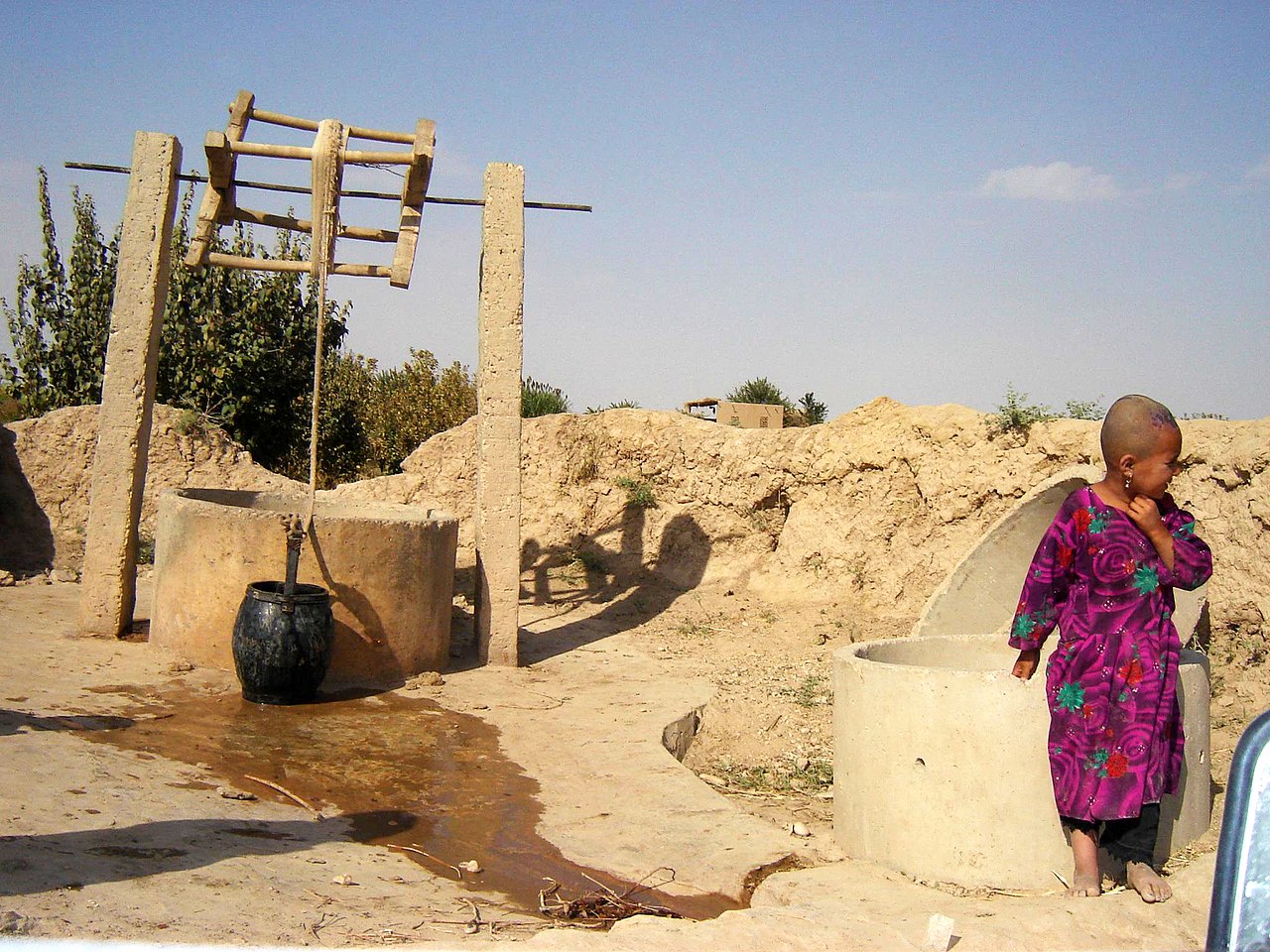

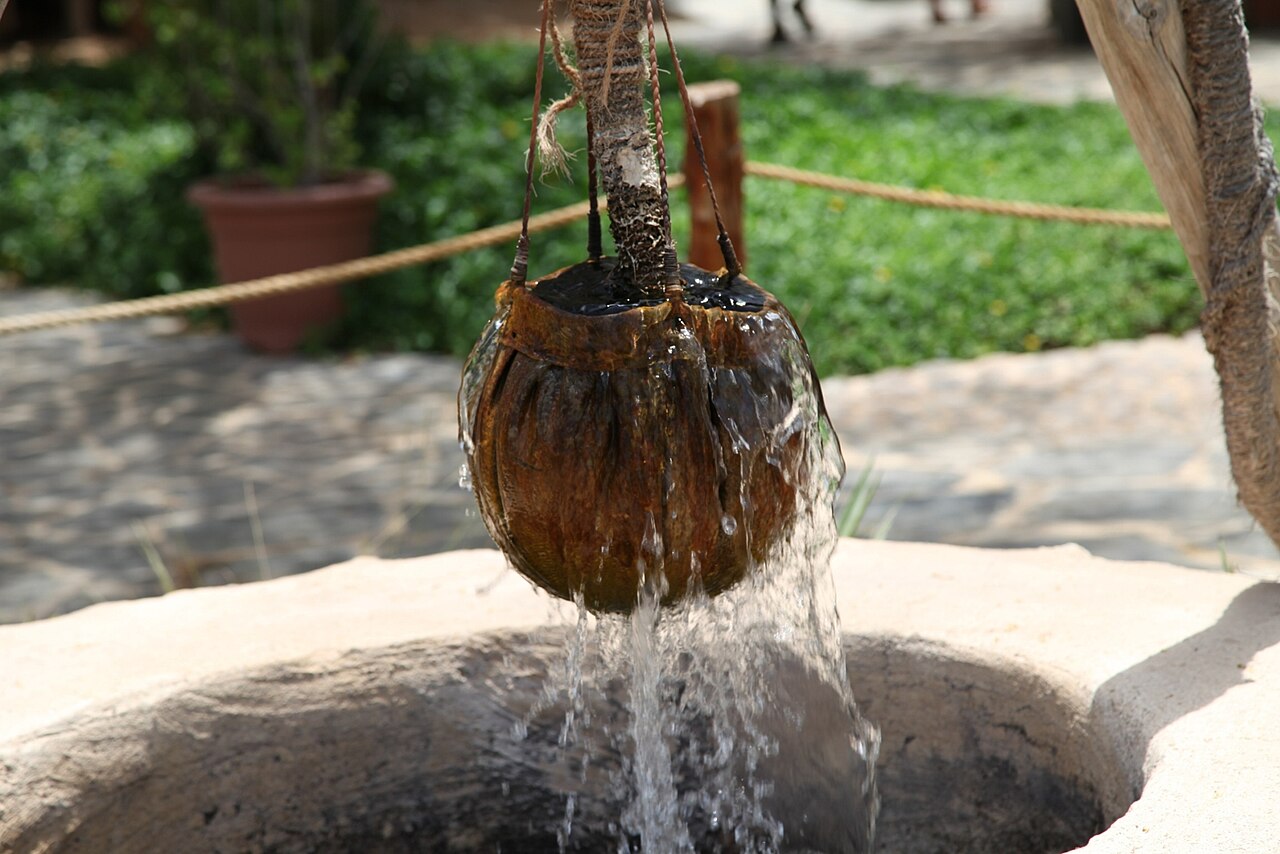

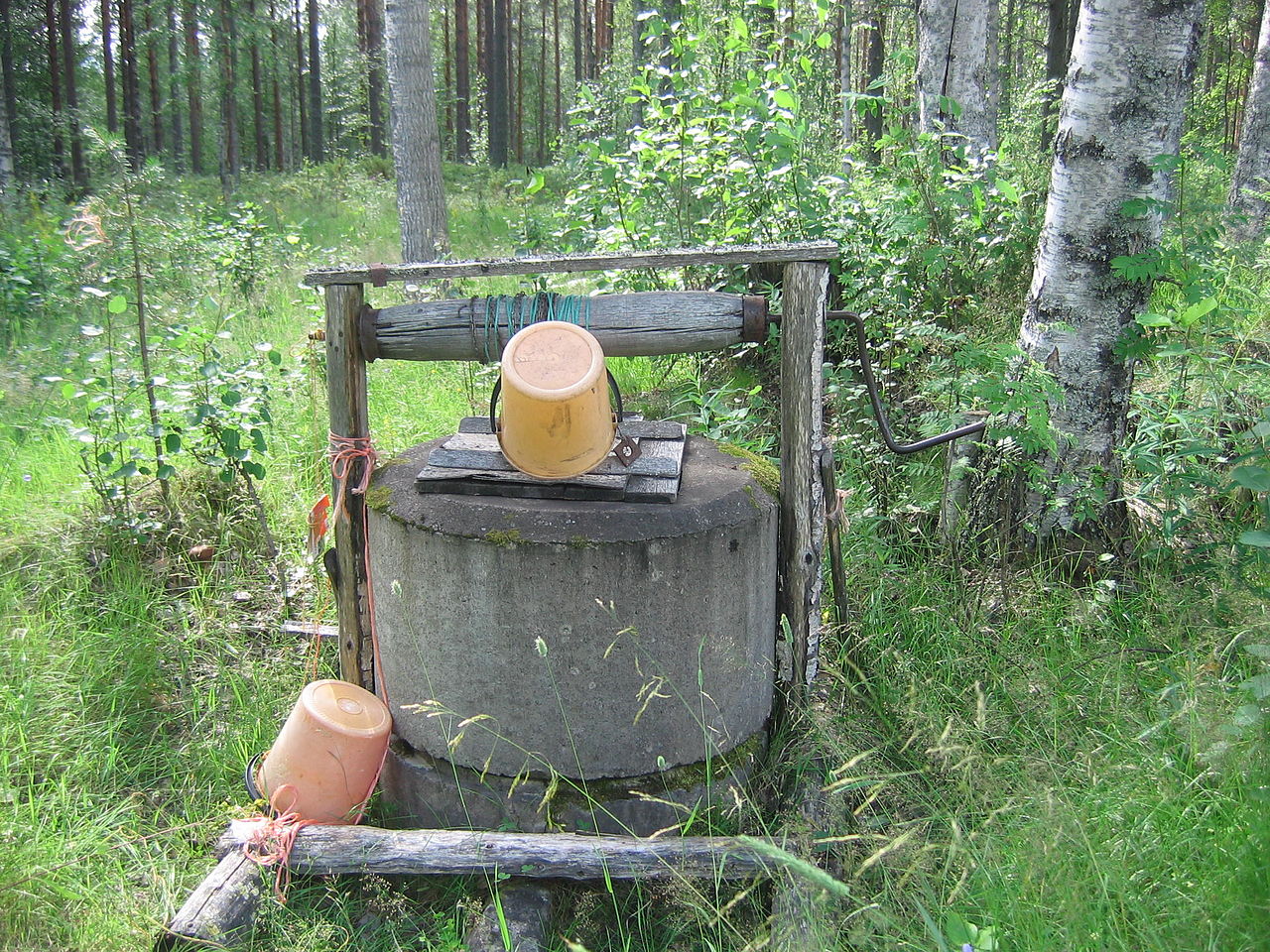


Construction and components
Wells range from simple hand-dug pits to deep mechanized bores. Common elements include a shaft or borehole, a lining or casing to prevent collapse, screens where water enters, and a sealed wellhead at the surface. Extraction can be passive, as in artesian flow, or active using mechanical devices such as submersible or surface-mounted pumps and associated pipes. Shallow wells may be dug with basic tools and a bucket, while deeper modern wells are drilled with rigs and require specialized casing and grouting to protect surrounding soils.
Types and traditional systems
There are many types of wells: dug wells, driven wells, drilled wells, artesian wells, observation wells, and injection wells used for disposal or recharge. In some regions, ancient multi-shaft systems called qanats were developed to convey groundwater by gravity from upland aquifers; these systems are historically important in the Middle East and elsewhere. Surface sources such as lakes and rivers are alternative supplies, but many communities rely on wells when those are distant or seasonal.
Uses and social importance
Wells supply drinking water, irrigation, livestock, and industrial processes. Many cities and rural communities depend on arrays of wells to meet demand where nearby fresh water bodies are lacking. Nonprofit organizations and charities often support drilling programs to provide local access in underserved villages, improving health and reducing the time people spend fetching water.
Risks, protection and sustainability
Well water quality and longevity depend on careful siting and protection. Contaminants placed in the soil near a well can leach into the groundwater and compromise supply. Over-pumping can lower local water tables, reduce yields, and cause environmental harm. For this reason, many jurisdictions regulate well construction, require water-quality testing, and define setbacks from potential contamination sources.
Management, maintenance and notable facts
Regular maintenance includes inspecting the wellhead, testing water for microbes and chemicals, servicing pumps and replacing worn pipes. Different well types have different machine and maintenance needs: shallow hand-dug wells need frequent protection from surface runoff, while deep drilled wells require durable casings and professional servicing. Wells also have legal and cultural importance: water rights, abstraction limits, and abandonment procedures affect how wells are sited and managed. For further technical or historical reading see introductory resources and guides provided by local agencies and specialist literature (ground, fluid, water, oil, qanat, region, pipes, pumps, cities, fresh, lakes, rivers, soil, groundwater, African, countries, charities, villages, aquifer).
Related articles
Author
AlegsaOnline.com Well (water well and other drilled or dug boreholes) Leandro Alegsa
URL: https://en.alegsaonline.com/art/107195