
Urine: physiology, composition, and uses
Urine is the watery waste fluid produced by the kidneys, stored in the bladder and expelled through the urethra. This article covers composition, formation, clinical uses, common variations and historical uses.
Urine is the liquid waste produced by the human body as part of normal fluid and chemical regulation. It is formed by the kidneys from the filtrate of blood and is stored in the bladder until voiding through the urethra. The process that removes liquid and dissolved wastes is linked to overall blood circulation, and the act of expelling urine is commonly called urination. In anatomical terms, the final opening through which urine leaves the body differs between sexes — in most males it exits at the tip of the penis, while in females it passes near the vulva.
Image gallery
10 Images


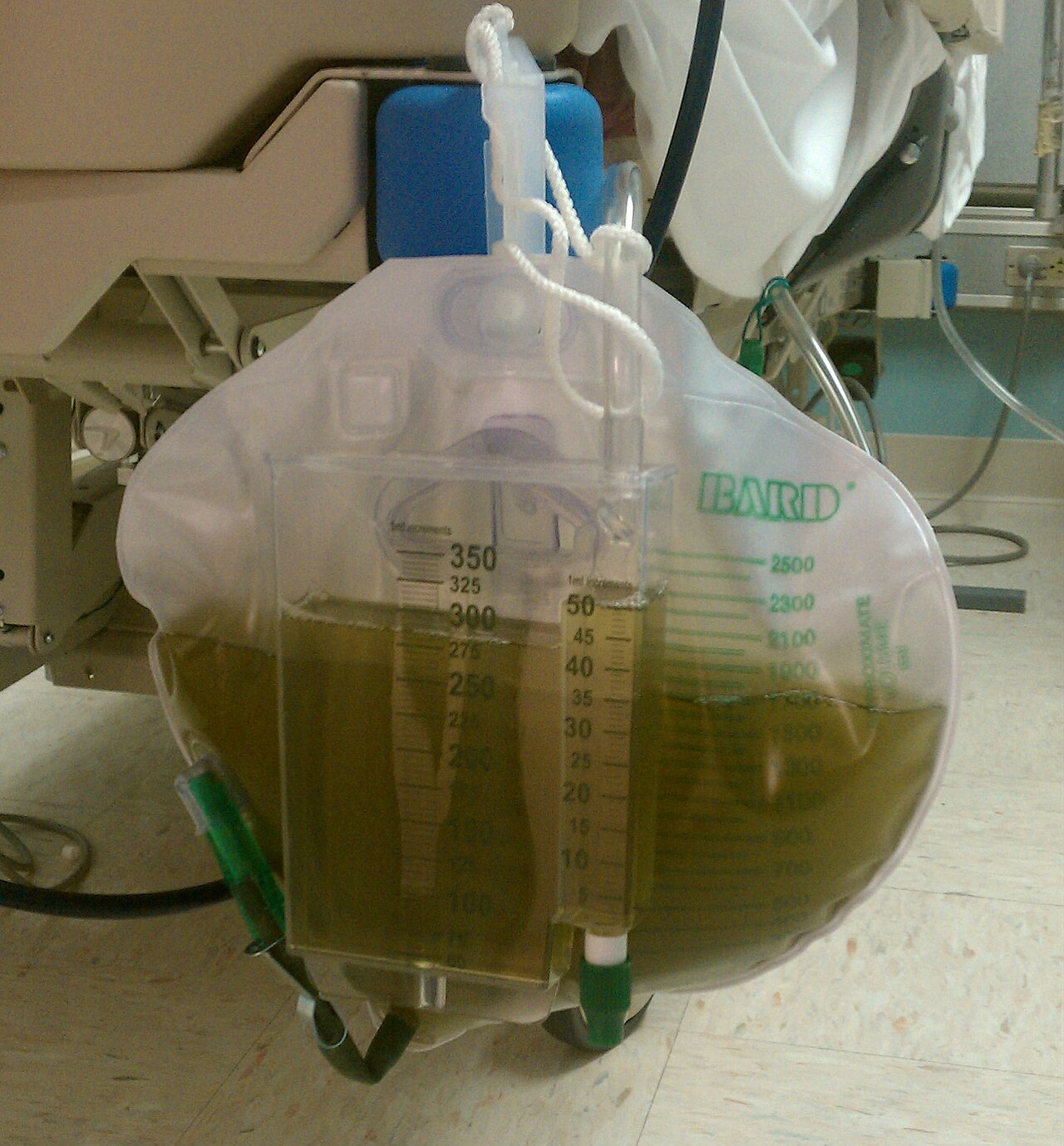


Composition and appearance
Urine is predominantly water and carries a mix of dissolved substances removed from the bloodstream. Typical constituents include electrolytes and minor minerals, metabolic byproducts such as urea and creatinine, organic acids, pigments (notably urobilins that give a yellow hue), and traces of hormones or drug metabolites. The liver contributes to this metabolic stream by converting highly toxic compounds such as ammonia into less toxic products like urea that the kidneys can excrete; the liver itself plays a complementary role in detoxification (liver). Normal urine ranges from nearly colorless to amber depending on concentration.
Formation and regulation
Filtration begins in microscopic units in the kidney where blood is filtered and useful solutes and water are reabsorbed while wastes remain in the tubule fluid. The kidneys adjust volume and composition of urine to maintain stable internal conditions: they conserve water when the body is dehydrated and excrete more fluid and salts after excess intake. Urine volume varies with intake, hormones and health—many adults produce roughly one to two liters per day, but this can fall or rise substantially with diet, climate, medications and disease.
Common substances eliminated by urine include excess water and electrolytes, metabolic waste products such as urea, and the metabolites of medications or environmental chemicals. While the liver secretes many toxins into bile, the urinary route is important for removing a different set of soluble wastes. Changes in odor, color or clarity can reflect diet, supplements, infections, blood in the urine, or inherited conditions.
Clinical, practical and historical notes
Urine is widely used for medical testing: routine urinalysis assesses infection, kidney function and metabolic disorders; specific assays detect drugs, hormones or markers of disease. Historically, human and animal urine also found non-medical uses — as a source of nitrogen in fertilizers, in textile processing and leather tanning, and in early chemical manufacturing — reflecting its content of nitrogenous and mineral compounds. Practical handling today treats urine as a biomedical fluid when collected for diagnosis.
Important distinctions include normal versus pathological findings (for example, persistent dark or bloody urine merits medical evaluation) and differences in flow or control that involve the nervous and urinary systems. Everyday language contains many informal terms for urine; in medical texts and patient information, more neutral words such as "urine" or "urination" are preferred, while colloquial slang includes words like "pee" and other vernacular terms such as piss. For additional reliable summaries and clinical guidance, see general physiology references and healthcare resources (overview, blood links, renal function, bladder anatomy, urethral structure, male anatomy, female anatomy, voiding, water balance, minerals, liver role, ammonia conversion, urea details, drug excretion, colloquial terms, crude slang).
- Primary functions: waste elimination and water–electrolyte balance.
- Typical analysis: visual inspection, dipstick tests, microscopic sediment, biochemical assays.
- When to seek advice: persistent color change, strong odor, pain, or blood in the urine.
Questions and answers
Q: What is urine?
A: Urine is a liquid created by the body in the kidneys. It is stored in the bladder and comes out of the human body through the urethra, a tube which leads from the bladder to the urethral meatus.
Q: What substances are removed from blood and put into urine?
A: The liver removes many toxins (harmful substances) and adds other substances that the blood needs (amino acids, proteins, coagulation factors, hormones, etc.). Then the kidneys remove excess amounts of urea, salts, etc. by putting them into the urine.
Q: What gives urine its yellow color?
A: The yellow color of urine is caused by urobilins, which are produced by the breakdown of hemoglobin, the substance that gives blood its red color.
Q: How much water does a person produce when they are dehydrated?
A: When a person is dehydrated they will produce less than one liter per day of concentrated urine.
Q: How much water does a person produce when they drink lots of water?
A: When a person drinks lots of water they will produce up to two liters per day of less concentrated urine.
Q: What slang terms for urine exist?
A: Slang terms for urine include "pee", "wee", "wee wees" and "piss".
Related articles
Author
AlegsaOnline.com Urine: physiology, composition, and uses Leandro Alegsa
URL: https://en.alegsaonline.com/art/103610