
Urethra: anatomy, function, and clinical importance
The urethra is the tubular passage that carries urine from the bladder to the outside. This article explains its structure, differences between sexes, role in continence and reproduction, and common clinical issues.
Overview
The urethra is a narrow tubular structure that links the urinary reservoir to the exterior of the body. In simple terms, it is the tube through which stored urine travels from the bladder to outside the body. Its primary role is to enable controlled elimination of liquid waste, and its function is coordinated with muscles and nerves that together maintain urinary continence.
Image gallery
10 Images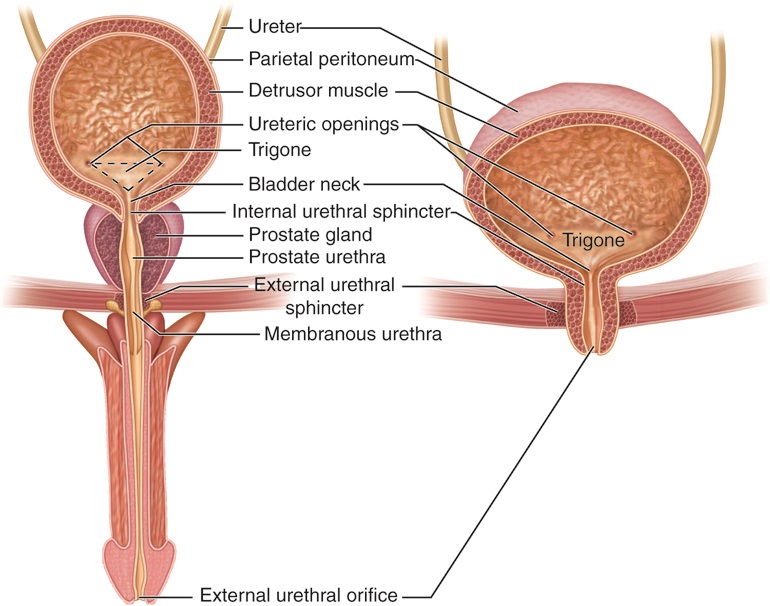




Anatomy and differences between sexes
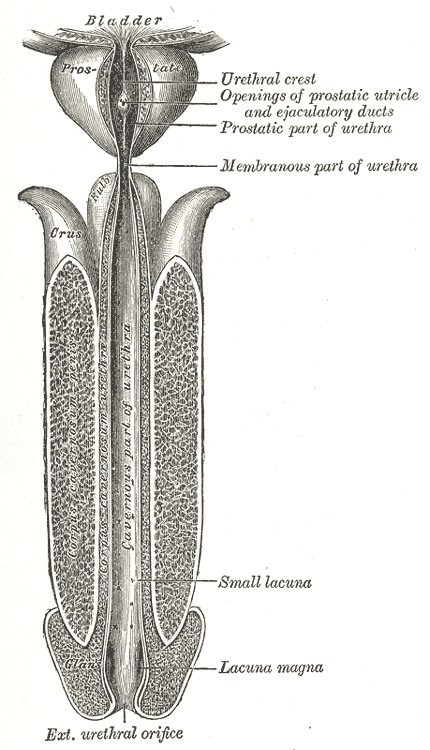
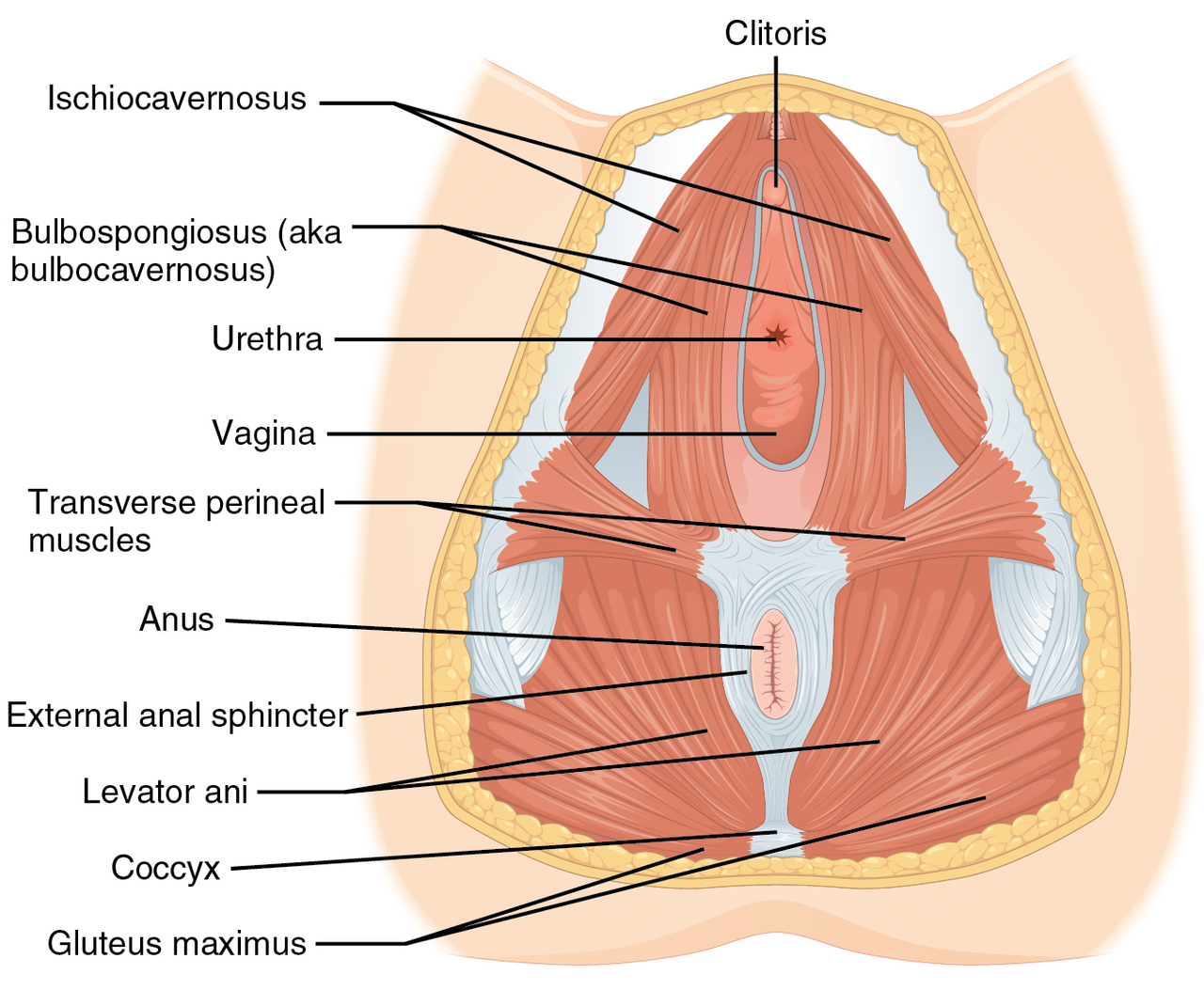
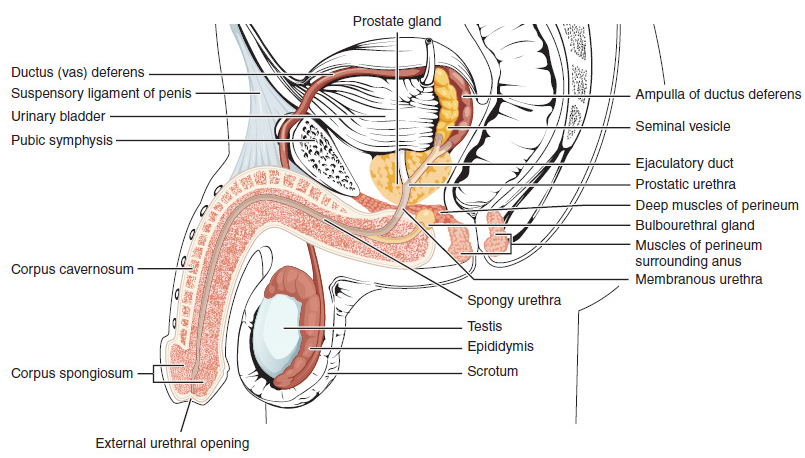
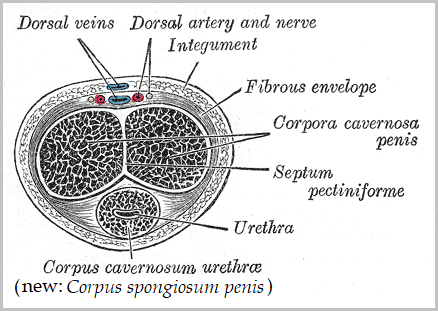
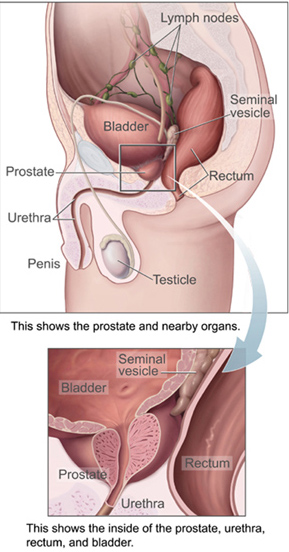
As a component of the urinary system, the urethra exists in all vertebrate mammals, including humans. Its length and course differ by sex: in people designated female at birth the urethra is relatively short and opens just in front of the vaginal opening; in people designated male at birth the urethra is longer, passes through the prostate and penis, and ends at the tip of the penis. These anatomical differences affect functions, clinical risks, and how some procedures are performed.
Function and control
The urethra serves two linked purposes: drainage of urine and, in many male mammals, the conveyance of semen during reproduction. In male mammals the urethra becomes part of the reproductive tract, carrying sperm mixed with glandular secretions during sex. Voluntary and involuntary muscles called urethral sphincters surround or lie near the urethra; their coordinated contraction and relaxation permit storage of urine and voluntary voiding at appropriate times.
Clinical significance
Because of its role as a channel between internal and external environments, the urethra is involved in a range of medical conditions. Common issues include infections (urethritis), narrowing (stricture), mechanical injury, and dysfunction of continence. Shorter female urethras are one reason urinary tract infections are more frequent in women. Diagnostic and therapeutic procedures frequently involve catheterization, imaging, or endoscopic inspection of the urethra.
Development, care, and notable facts
The urethra develops embryologically as part of the lower urinary tract. Proper bladder and sphincter development are necessary for lifelong continence. Routine hygiene, prompt treatment of infections, and careful technique in instrumentation reduce risks. Historically, understanding of urethral anatomy guided innovations in urology and reproductive medicine.
Key points and common conditions
- Main role: transport of urine to the exterior.
- Sex differences: structure and additional reproductive function in males.
- Control: managed by internal and external sphincters and pelvic nerves.
- Clinical problems: infections, strictures, trauma, and urinary incontinence.
For further general references on urinary anatomy and care, see related resources on the urinary system and basic mammalian anatomy pages linked above.
Questions and answers
Q: What is the urethra?
A: The urethra is a tube that connects the bladder to the outside of the body, allowing people and animals to remove urine from their bodies.
Q: How do people and animals control urination?
A: People and animals control urination using the urethral sphincter.
Q: What system does the urethra belong to in mammals?
A: The urethra belongs to the urinary system in mammals.
Q: Do humans have a urethra?
A: Yes, because humans are mammals, they have a urethra.
Q: Is the male's urethra part of their reproductive system?
A: Yes, in male mammals, the urethra is also part of their reproductive system because males use it as a tube for sperm during sex.
Q: What purpose does the male's urethra serve during sex?
A: During sex, males use their urethras as tubes for sperm.
Q: How does having a urethra benefit mammals? A: Having a urethra allows mammals to remove urine from their bodies and helps them control urination with the help of their sphincter muscles.
Tags
Related articles
Author
AlegsaOnline.com Urethra: anatomy, function, and clinical importance Leandro Alegsa
URL: https://en.alegsaonline.com/art/103589