
Urinogenital: the urinary and reproductive systems and their openings
Urinogenital (urogenital) describes the combined urinary and reproductive systems or their shared openings. It covers anatomy, embryology, species differences (including cloaca), and clinical and evolutionary relevance.
Overview
"Urinogenital" (often written urogenital) refers to structures and openings that serve both the urinary and reproductive systems. The term can mean the anatomical systems themselves—the organs involved in producing, transporting and discharging urine and gametes—or a specific external opening where these functions meet. In some contexts it describes a single combined passage; in others it describes the close anatomical and developmental relationship between the two systems.
Image gallery
2 Images
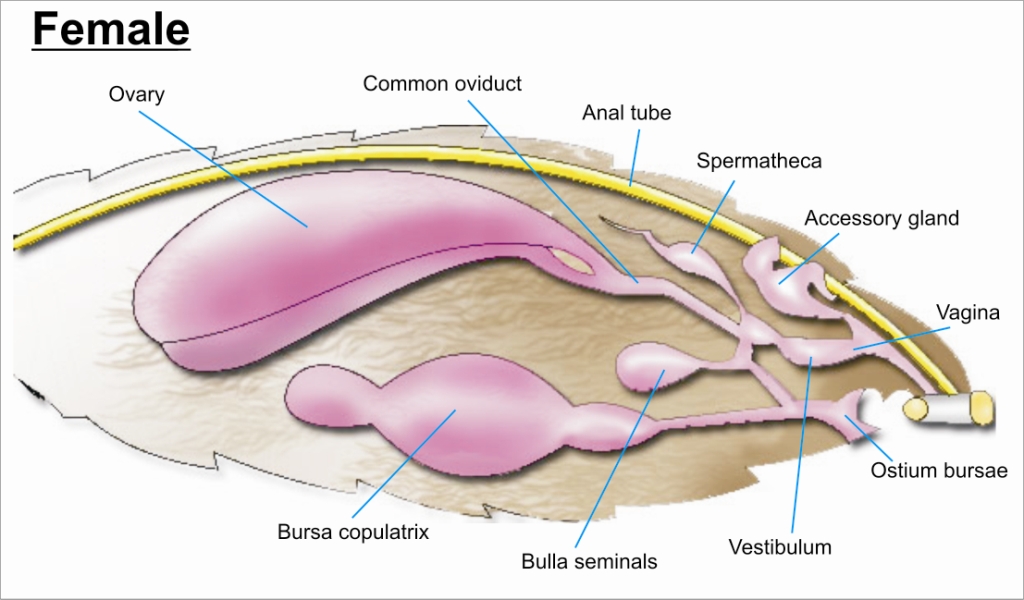
Anatomy and variation
In mammals the arrangement varies by sex and by species. Male mammals typically convey urine and semen through the urethra, which opens at the tip of the penis; a common example is the human male urethral opening. Female arrangements differ: in many placental mammals the urethra and vagina open separately into the vulva, whereas in some mammals a single urogenital sinus serves both urinary and reproductive outflow. The anal opening for defecation is usually separate and called the anus.
Development and evolutionary context
Embryologically the urinary and reproductive systems arise from closely related tissues (the urogenital ridge) and share embryonic ducts such as the mesonephric (Wolffian) and paramesonephric (Müllerian) ducts. This common origin explains why morphology and connections vary across vertebrate groups. Many non-mammalian vertebrates—birds, most reptiles and amphibians—have a single multipurpose exit, the cloaca, which serves digestive, urinary and reproductive functions. A few mammals (notably monotremes) also retain a cloaca.
Examples and terminology
- Female external genital anatomy: where present, the vaginal opening is commonly referred to as the vagina (or vaginal introitus), and the separate urinary opening as the urinary opening or urethral meatus.
- Male external anatomy: the penis contains the urethra and is the obvious external feature in many species; see penis for details on male urogenital anatomy.
- Taxonomic differences: placental mammals show a variety of arrangements, monotremes have a cloaca, and many birds and reptiles use a cloaca exclusively.
Clinical and biological significance
Understanding urinogenital anatomy is important for medicine (diagnosing infections, performing catheterization and surgeries), reproductive biology, and veterinary care. Shared passages or nearby openings influence infection risk, surgical approaches and reproductive behavior. From an evolutionary standpoint, comparisons of urinogenital layouts illuminate transitions in organ systems across vertebrates.
Notable distinctions
Key distinctions to remember are whether urine and reproductive products share a common external opening, whether the digestive tract opens separately via an anus, and how embryonic development shapes adult anatomy. For accessible, species-specific descriptions consult anatomy references and comparative guides, or follow further reading via authoritative resources (urinary anatomy, female reproductive anatomy, male reproductive anatomy, cloaca).
Questions and answers
Q: What is Urinogenital?
A: Urinogenital is a term used for the common urinal and sex passage in mammals.
Q: What is the difference between the urinogenital system in females and males?
A: In females, the urinogenital system is called the vagina, while in males, it is called the penis.
Q: What is the separate opening in mammals for waste?
A: Mammals have a separate opening for waste called the anus.
Q: How does the urinogenital system differ in reptiles and birds?
A: Reptiles and birds have one common opening for sex, urine, and defecation, called the cloaca.
Q: What is the function of the vagina in females?
A: The vagina is responsible for receiving sperm during intercourse and passes out menstrual blood during the monthly cycle.
Q: What is the role of the penis in males?
A: The penis is responsible for delivering sperm to the female's reproductive system during intercourse.
Q: Why is the cloaca more common in reptiles and birds but not in mammals?
A: It is believed that the cloaca is more efficient in animals with lower metabolic rates, whereas in mammals, there is a higher need for specialized organs due to their higher metabolic rates.
Related articles
Author
AlegsaOnline.com Urinogenital: the urinary and reproductive systems and their openings Leandro Alegsa
URL: https://en.alegsaonline.com/art/103611