
Liver (hepatic organ)
The liver is a large abdominal organ central to metabolism, bile production, detoxification, and storage. This article outlines its structure, key functions, clinical importance, and terminology.
Overview
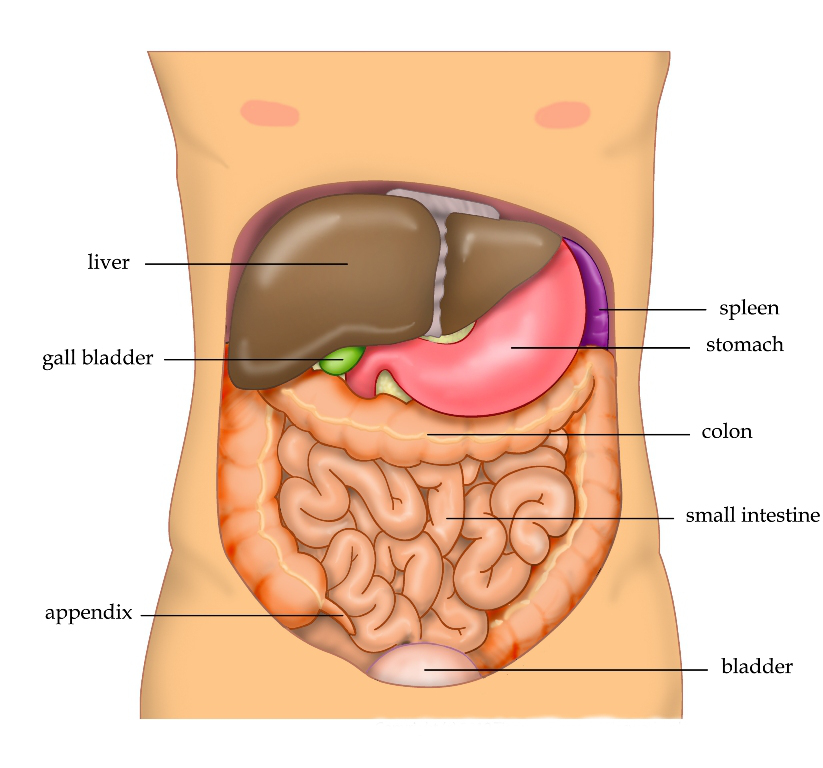
The liver is a large, soft organ located in the upper right of the abdomen. It sits beneath the diaphragm and is an essential component of the digestive system, working closely with the gallbladder, pancreas and intestines. Because of its many roles in chemistry and circulation, the liver is central to overall health.
Image gallery
10 Images


Structure and blood supply
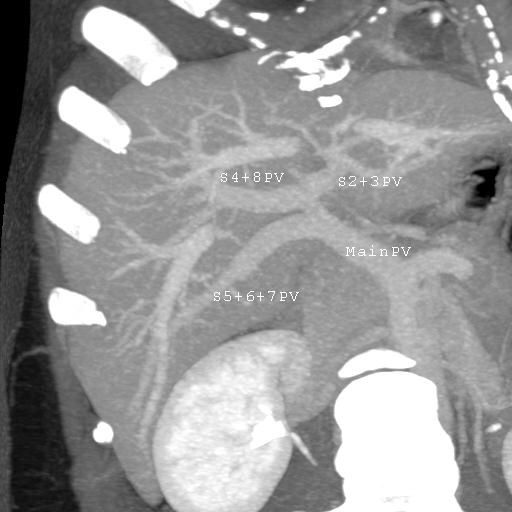
Grossly the liver is divided into lobes and functionally into many small lobules. The basic functional cell is the hepatocyte, arranged around a central vein. Blood reaches the liver through two vessels: the portal vein, which carries nutrient-rich blood from the intestines, and the hepatic artery, which supplies oxygenated blood. This dual supply makes the liver a primary site for nutrient processing immediately after absorption.
Main functions
- Metabolism: processing of carbohydrates, fats and proteins and conversion of nutrients into usable forms.
- Bile production: secretion of bile that helps digest and absorb fats and carry waste products into the intestines.
- Detoxification: modification and excretion of drugs, alcohol and metabolic wastes.
- Storage: reservoirs for glycogen, certain vitamins and minerals.
- Synthesis: production of many plasma proteins, including clotting factors.
Microscopic architecture and regeneration
At the microscopic level liver tissue is organized to maximize contact between blood and hepatocytes. Bile produced by hepatocytes flows in small ducts toward the gallbladder and intestine. The liver also has a remarkable capacity to regenerate after injury or surgical removal: remaining cells can proliferate to restore mass and many functions, although chronic injury may impair this ability.
Clinical importance and common conditions
Because it performs many chemical transformations, the liver is vulnerable to a range of disorders. Common clinical problems include viral hepatitis, fatty liver disease, alcoholic liver injury, cirrhosis and tumors. Physicians assess liver health with a combination of blood tests (liver enzymes and synthetic markers), imaging, and sometimes biopsy. In advanced disease, liver transplantation can be life-saving.
Terminology and notable facts
Medical terms related to the liver often use the prefixes hepar- or hepat-, derived from Greek. Historically the organ has been studied for millennia because of its size and regenerative properties; in many cultures it was associated with life and vitality. Its central role in metabolism and detoxification makes it a frequent focus in preventive health and pharmacology.
Related articles
Author
AlegsaOnline.com Liver (hepatic organ) Leandro Alegsa
URL: https://en.alegsaonline.com/art/58598