
Ungulate: Hoofed Mammals — Definition, Biology, and Evolution
Ungulates are hoofed mammals—diverse herbivores and omnivores with specialized limbs and digestive systems. This article covers anatomy, major groups, evolution, roles in ecosystems, and human interactions.
Overview
Ungulates are mammals commonly described as hoofed animals: species that bear weight on the tips of their toes, often protected by a hardened hoof. The term is descriptive rather than strictly taxonomic and has been used to group several mammal lineages that share similar limb and foot adaptations. For general context see hooves and the broader category of mammals.
Image gallery
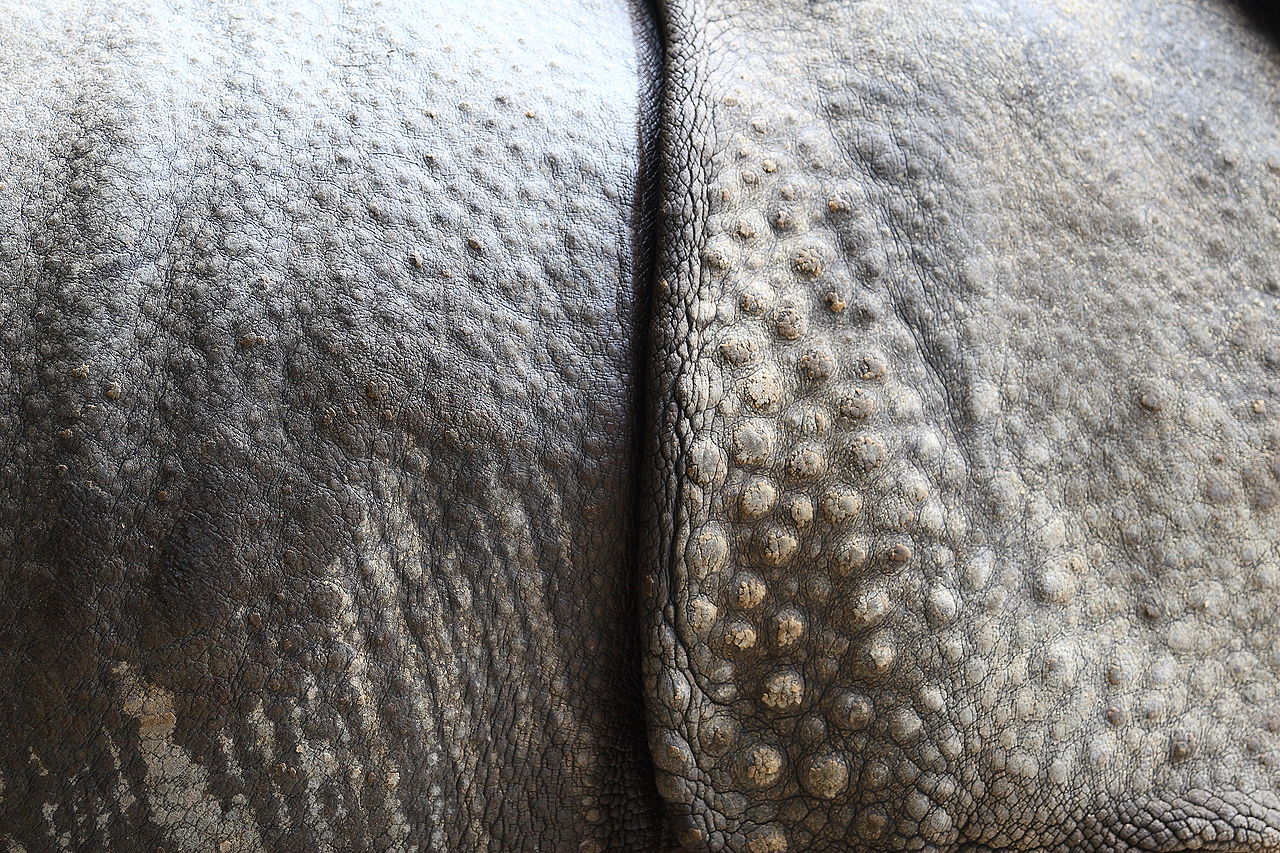
10 Images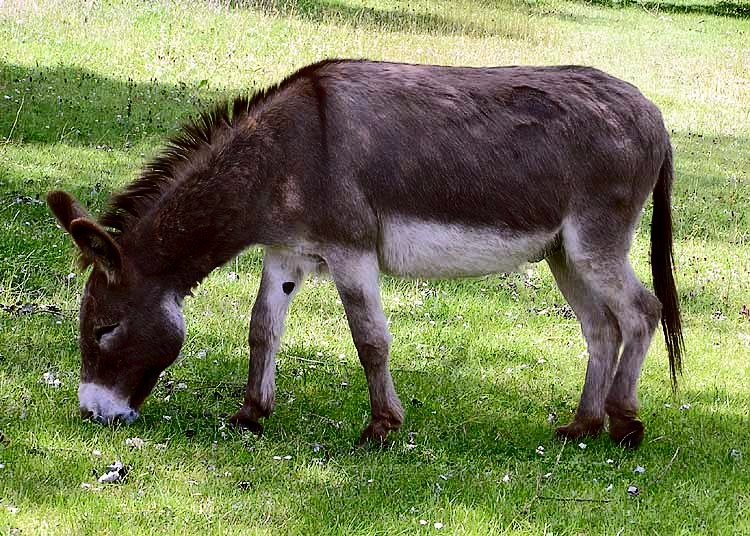




Anatomy and major groups
Most ungulates have limbs adapted for cursorial (running) or weight-bearing movement. Their feet may consist of a single functional toe (as in horses) or paired toes (as in cattle and deer). For a definition of the parts involved, consult resources on toes and related structures. Two widely recognized living orders are:
- Odd-toed ungulates (Perissodactyla): horses, rhinoceroses and tapirs; typically have an odd number of toes and a simple stomach.
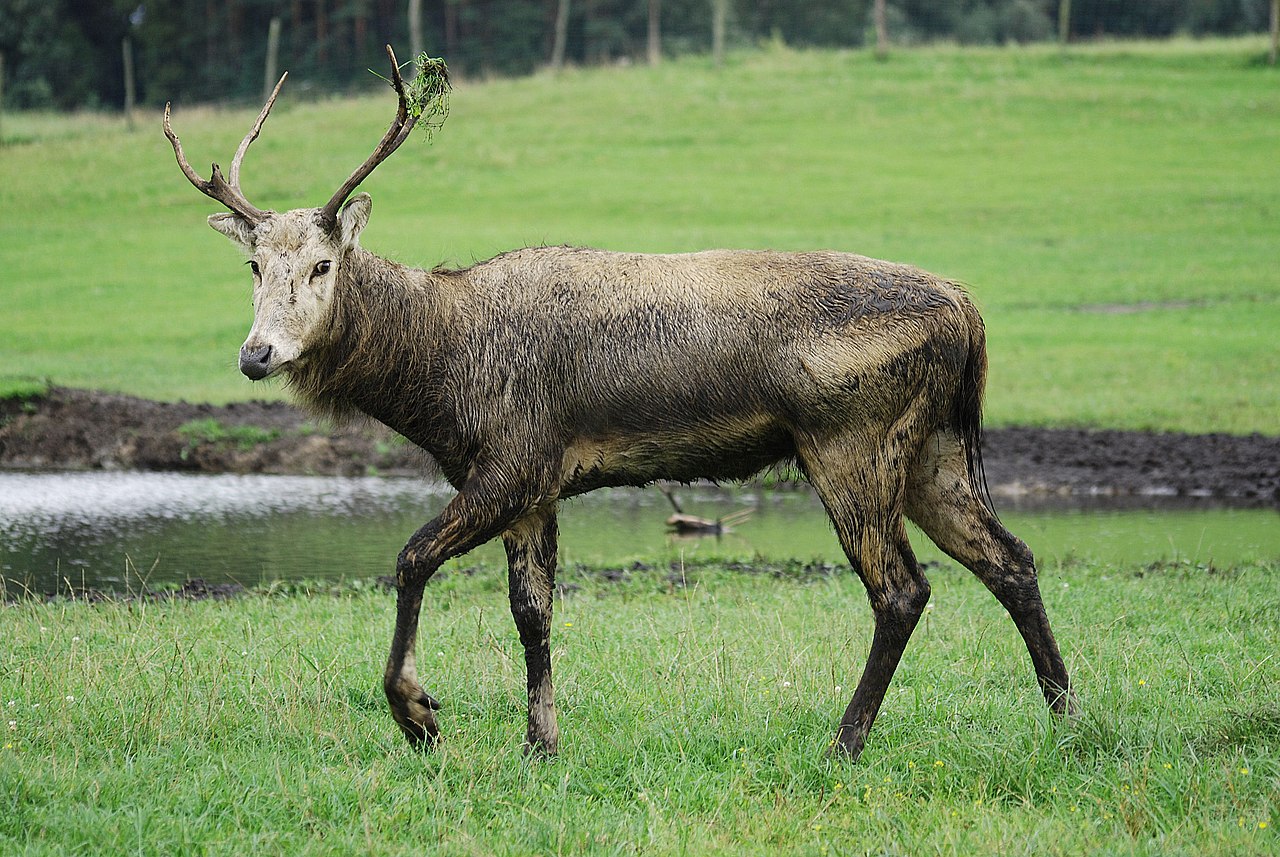
- Even-toed ungulates (Artiodactyla): cattle, pigs, camels, giraffes, sheep, deer and hippos; weight is borne equally by the third and fourth toes.
Evolution and fossil record
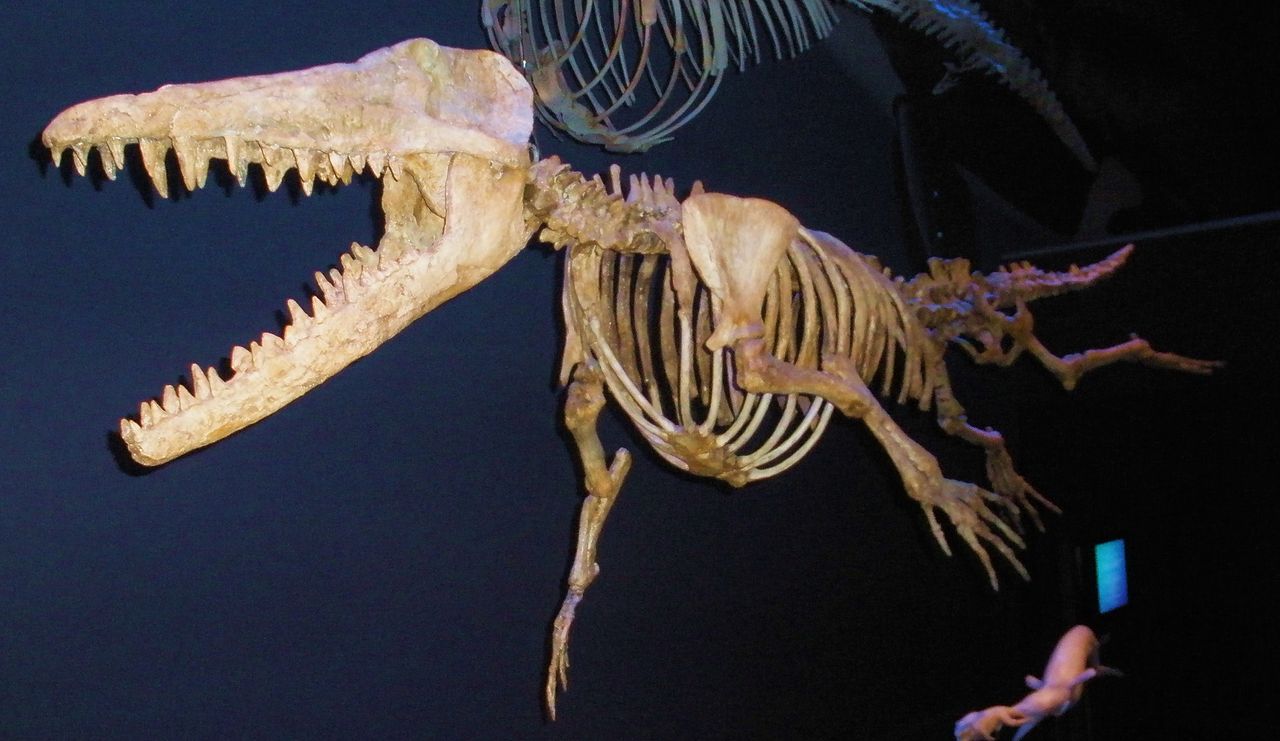
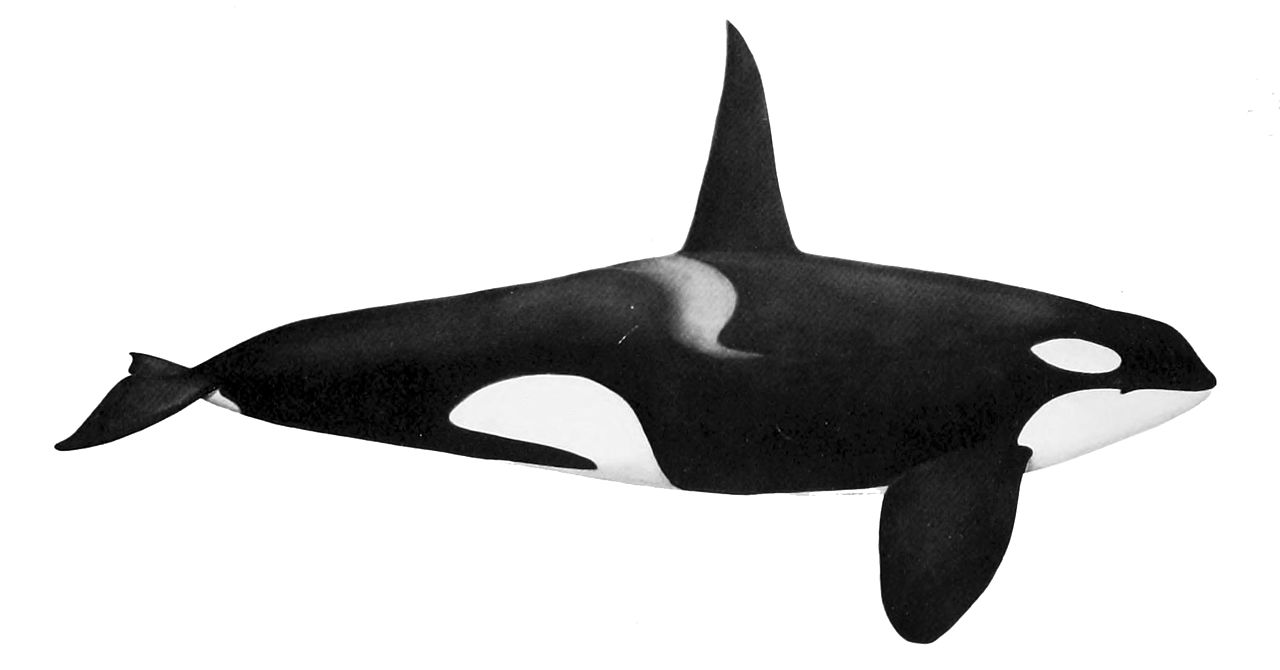
Ungulate evolution is complex. Fossil evidence shows multiple lineages adapting to grazing and browsing over tens of millions of years. In the case of artiodactyls, paleontology and molecular studies indicate a close relationship between some even-toed ungulates and modern whales: early artiodactyl-like ancestors gave rise to the artiodactyl branch that later included cetaceans. Extinct groups such as the Mesonychia illustrate that not all early ungulate-like mammals were herbivores—some were carnivorous or omnivorous.
Diet, digestion and ecology
Many ungulates are herbivores and rely on specialized digestive strategies to extract nutrients from fibrous plant material. Several species host complex communities of gut flora that help break down cellulose. Others are omnivorous; for example, modern pigs consume a varied diet. Ungulates play major ecological roles as browsers, grazers and prey for large carnivores; their feeding patterns influence vegetation structure and nutrient cycling.
Human uses, domestication and conservation
Humans have domesticated several ungulate species for meat, milk, fiber, labor and transport—most notably cattle, sheep, goats and horses. Domestication has profoundly altered the distribution and genetics of these animals. At the same time, many wild ungulate species face threats from habitat loss, hunting and competition with livestock. Conservation efforts vary by region and species and aim to preserve both populations and their habitats.
Notable distinctions and facts
Key distinctions among ungulates include toe number and foot anatomy (odd- versus even-toed), digestive adaptations (ruminant versus hindgut fermentation), and habitat preference. Some surprising evolutionary links are well documented: for example, hippopotamuses are more closely related to whales than to other large terrestrial artiodactyls. Representative examples include the horse, rhinoceros (see rhinoceroses), and deer (see deer), each illustrating different adaptations to speed, defense and foraging.
Further reading and general overviews are available through introductory resources and specialist literature; where appropriate, use links to taxonomy and anatomical glossaries to explore terms and groups in more detail.
Related articles
Author
AlegsaOnline.com Ungulate: Hoofed Mammals — Definition, Biology, and Evolution Leandro Alegsa
URL: https://en.alegsaonline.com/art/102849
Sources
- nature.com : "Ancient proteins resolve the evolutionary history of Darwin's South American ungulates"
- ui.adsabs.harvard.edu : 2015Natur.522...81W
- doi.org : 10.1038/nature14249
- pubmed.ncbi.nlm.nih.gov : 25799987