
Artiodactyls — even-toed ungulates
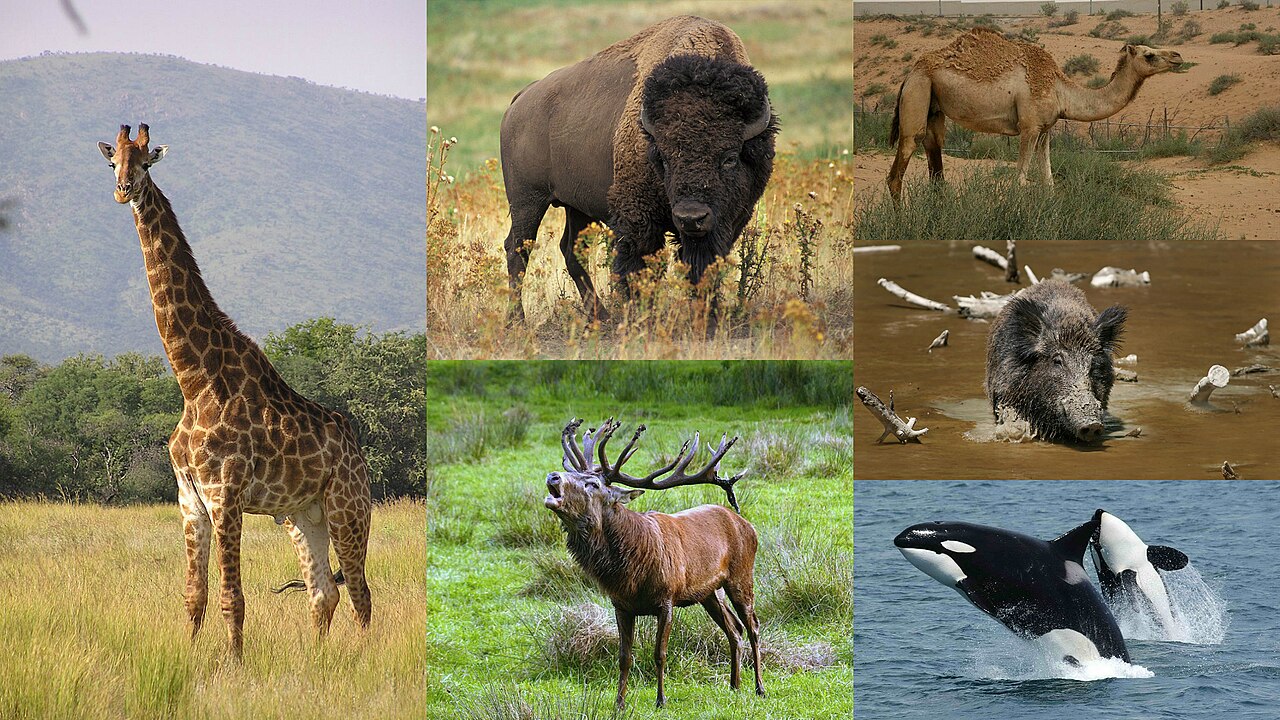
Artiodactyls are even-toed hoofed mammals including cattle, deer, pigs, camels, giraffes and hippos; the group is central to terrestrial ecosystems, agriculture and evolution studies (including whales).
Overview
Artiodactyls are the mammals commonly known as even-toed ungulates. The order is often referenced as an order within the class of mammals. Members share a foot structure in which weight is borne equally by the third and fourth digits rather than by the middle digit alone.
Image gallery
10 Images




Key characteristics
Most artiodactyls have two functional toes on each foot (a cloven hoof) or four toes that contact the ground. The basic trait is an even number of toes. Many species are ruminants with multi‑chambered stomachs and selenodont teeth adapted for grinding plant material, while others have simpler stomachs and different diets.
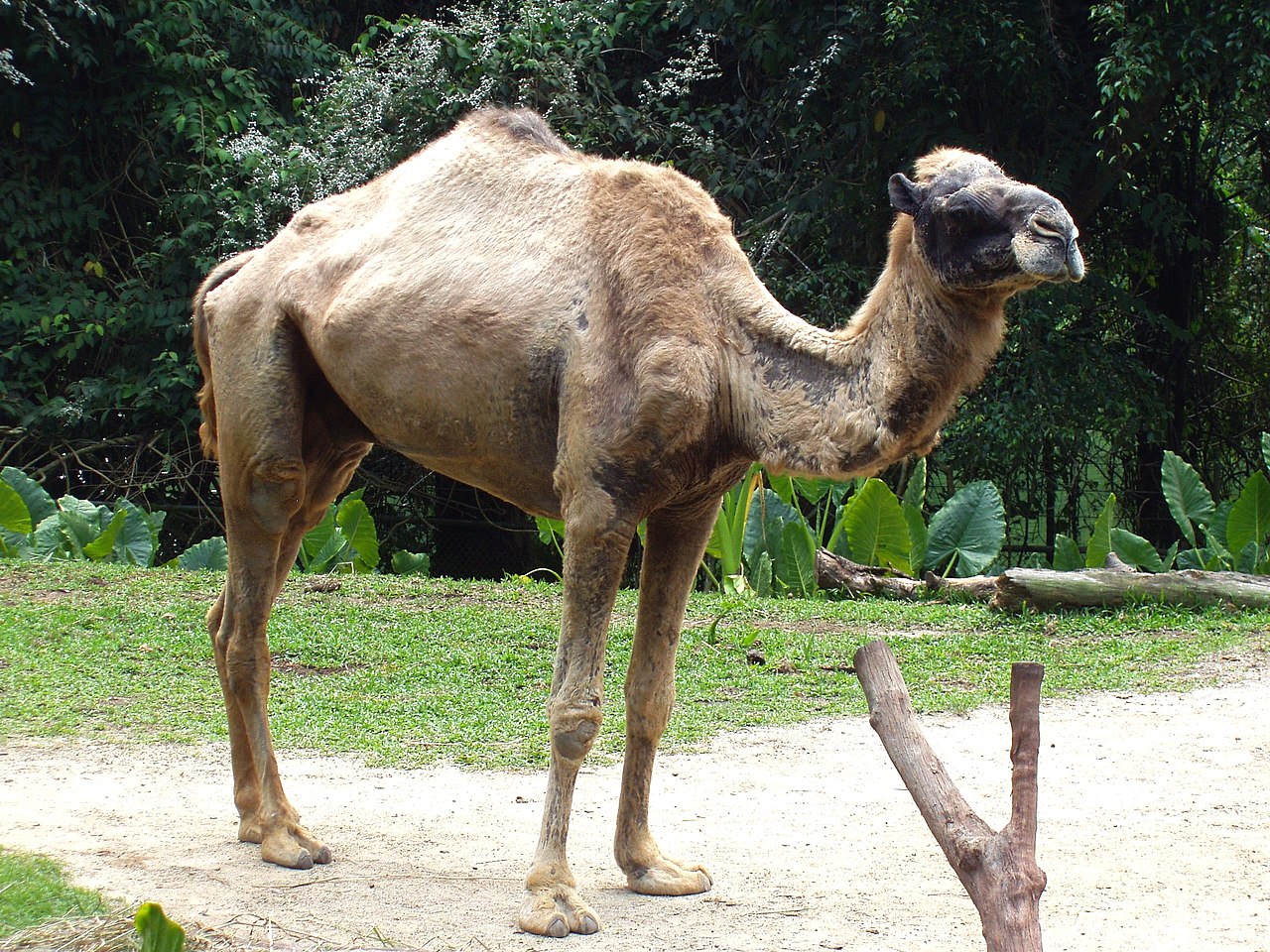
- Examples with two main toes include camelids such as camelids and the long‑necked Giraffidae.
- Some, like the hippopotami, present four weight‑bearing toes.
Classification and diversity
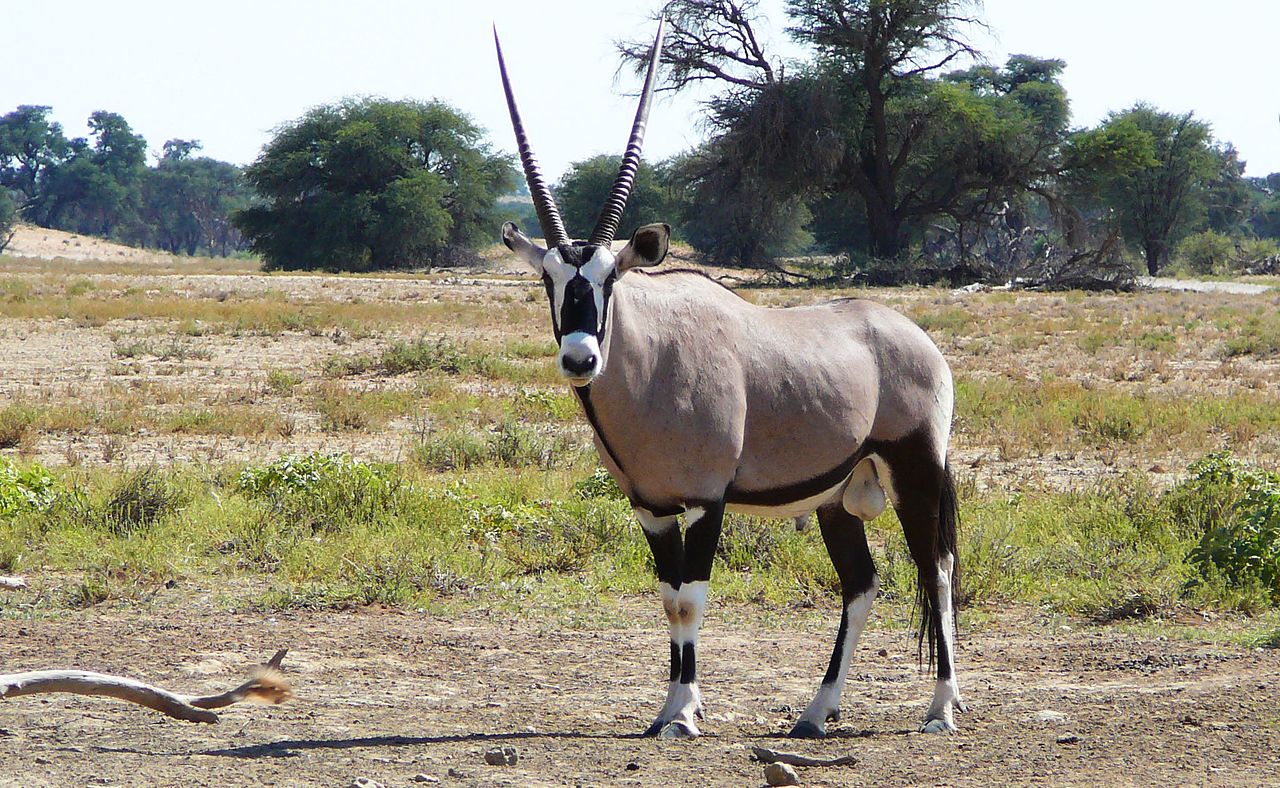
The order contains many familiar families, from grazing and browsing groups (cattle, antelopes, deer) to omnivores (pigs) and specialised desert forms (camels). The term family is used to subdivide this diversity into units such as Bovidae, Cervidae, Suidae and others; each family has distinct dental, limb and digestive specialisations.
Evolution and the whale connection
Fossil and molecular studies show artiodactyls diversified early in the Cenozoic, and surprising relationships emerged when DNA evidence linked certain terrestrial groups to aquatic ones. Modern whales and other cetaceans are placed with artiodactyls in a broader grouping, the Cetartiodactyla, because whales evolved from an even‑toed ancestor. Among living species, hippos are the closest extant relatives to whales, a conclusion supported by both anatomy and genetics.
Uses, ecology and conservation
Artiodactyls have major economic and ecological roles: they provide meat, milk, fiber and labor (cattle, sheep, goats, pigs, camels), and support predator populations as prey. Many species are managed for hunting or pastoralism. Conservation concerns include habitat loss, overhunting and disease; some artiodactyls are abundant worldwide, while others are rare or endangered.
Distinctions and notable facts
Artiodactyls contrast with odd‑toed ungulates (perissodactyls), which bear weight mainly on a single central toe (horses, rhinos). The merging of cetaceans with artiodactyls reshaped scientific views on mammal evolution and highlights how modern taxonomy integrates fossils, anatomy and molecular data.
Related articles
Author
AlegsaOnline.com Artiodactyls — even-toed ungulates Leandro Alegsa
URL: https://en.alegsaonline.com/art/6367