
Vangunu giant rat (Uromys vika)
Uromys vika, the Vangunu giant rat or vika, is a large arboreal rodent from Vangunu Island (Solomon Islands), known from recent discovery and DNA-confirmed description; it faces habitat threats.
Overview
Uromys vika, commonly called the Vangunu giant rat or simply the vika, is a large giant species of rodent in the family Muridae. It is known from Vangunu Island, one of the Solomon Islands, where it occupies forest canopy habitats and is often described as tree-dwelling. The species attracted international attention after local knowledge, scientific fieldwork and genetic study confirmed it as previously undescribed.
Image gallery
2 Images
Description and biology
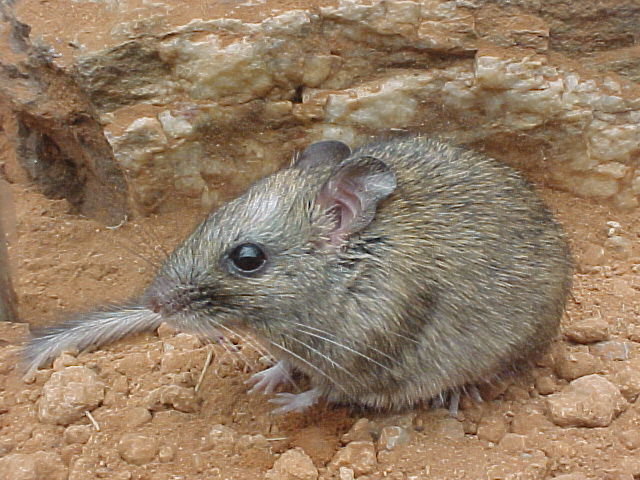
The Vangunu giant rat is notable for its large body size relative to most rats, which is reflected in its common name. Its morphology includes a robust skull, strong jaws and limbs adapted for climbing. Fur coloration and details of the tail and feet distinguish it from other island rats in its range. Direct observations and specimen studies indicate nocturnal activity and an arboreal lifestyle, with a diet likely dominated by fruits, seeds and other plant material common to tropical forests.
Discovery and classification
Reports of a large tree rat circulated among islanders for years before researchers located live individuals and remains. Fieldwork beginning in the 2010s led to the capture of specimens that were examined anatomically and genetically. Scientists used skull and skeletal comparisons together with detailed DNA analyses to demonstrate that the animal represented a distinct species, officially described in the late 2010s and placed in the genus Uromys, a group of Pacific island rats.
Habitat and ecology
Uromys vika inhabits lowland and hill rainforest on a single island island in the Solomons. Its dependency on tall forest and canopy food sources ties its fate to intact native vegetation. Observations suggest it nests and forages arboreally, using tree hollows and dense foliage for shelter and movement between feeding sites.
Conservation and cultural importance
Because it appears to occur only on Vangunu and has a restricted range, the species is vulnerable to habitat loss from logging and conversion of forest. Local communities recognize the vika in oral tradition, and their knowledge was instrumental to its scientific discovery. Conservation concerns emphasize protecting remaining forest patches and monitoring populations to reduce the risk of decline.
Notable facts and distinctions
- The Vangunu giant rat is an example of island gigantism among rodents in the Pacific.
- Its recognition combined traditional ecological knowledge with formal scientific methods.
- Classification relied on comparative anatomy and modern genetic tools rather than sight records alone.
Research on Uromys vika continues to refine understanding of its behavior, population size and precise ecological role, and conservationists advocate for habitat protection on Vangunu to secure the species' future.
More on giant rodents | Rodent diversity | Arboreal mammals | Muridae family | Island habitats | Solomon Islands fauna | Genetic identification methods
Related articles
Author
AlegsaOnline.com Vangunu giant rat (Uromys vika) Leandro Alegsa
URL: https://en.alegsaonline.com/art/103618
Sources
- nature.com : "Giant, tree-dwelling rat discovered in Solomon Islands"
- doi.org : 10.1038/nature.2017.22684
- eurekalert.org : "Tree-dwelling, coconut-cracking giant rat discovered in Solomon Islands"
- blogs.discovermagazine.com : "Discovered: A Giant, Tree-Dwelling Rat that Munches Coconuts"
- academic.oup.com : A new species of giant rat (Muridae, Uromys) from Vangunu, Solomon Islands
- doi.org : doi.org/10.1093/jmammal/gyx116
- scientificamerican.com : scientificamerican.com/article/giant-tree-dwelling-coconut-eating-rat-species-discovered/
- lite.cnn.io : lite.cnn.io