
Ursus (genus) — large bears of the Northern Hemisphere
Ursus is a genus of bears that includes brown, polar and several black bear species. This article summarizes their traits, species, evolution, ecology and relationships with people.
Overview
The genus Ursus belongs to the bear family Ursidae and contains several of the best-known true bears. Members of Ursus are distributed across much of the Northern Hemisphere and are representative of modern bears in general (bears). The genus name derives from the Latin word ursus, meaning "bear."
Image gallery
8 Images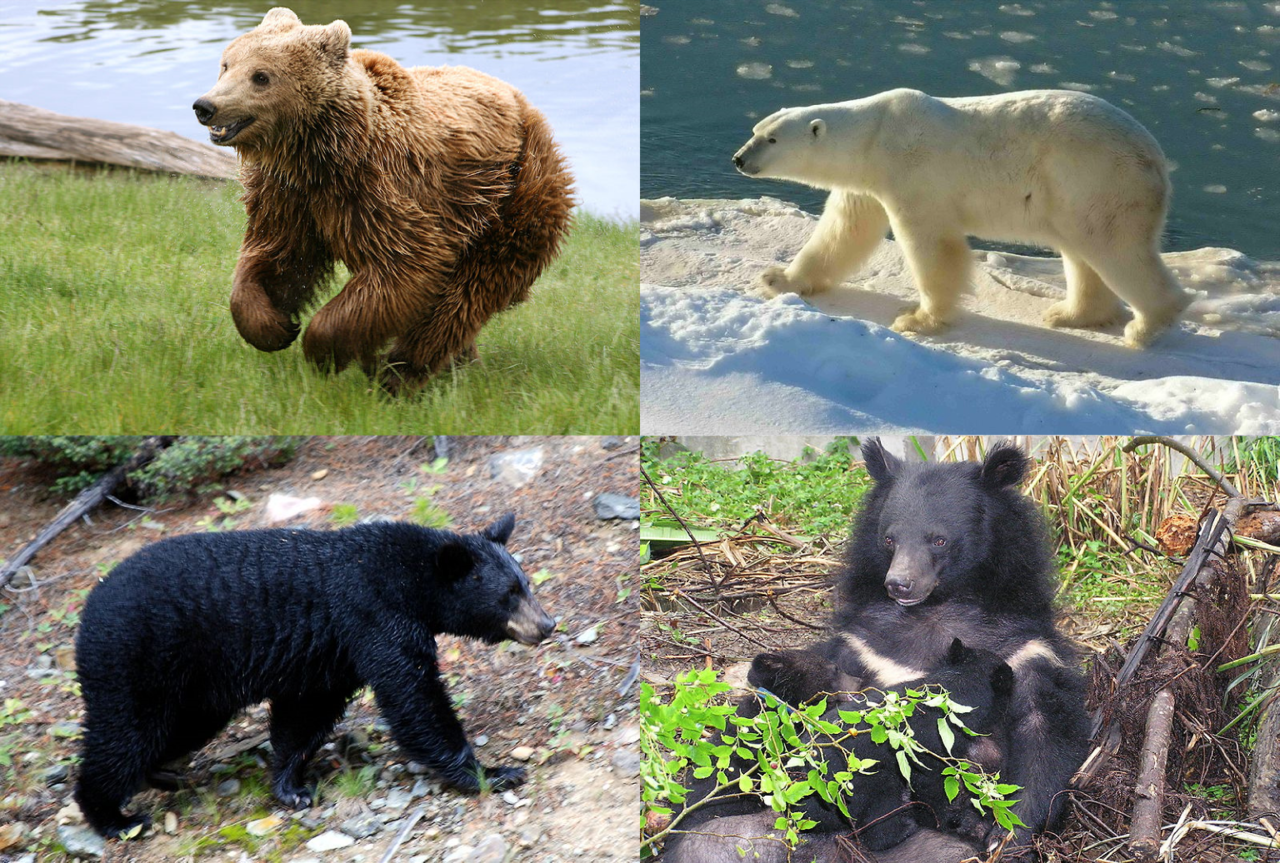


Characteristics
Species in Ursus are typically large, plantigrade carnivorans with heavy bodies, powerful limbs, and thick fur. Most are omnivorous, with diets that include plants, invertebrates, fish and mammals; however, the balance between animal and plant foods varies by species and season. Many Ursus species show solitary behavior outside of breeding or concentrated food resources, and several populations hibernate or enter torpor in winter where climate and food scarcity permit.
Species and distribution
Living members of the genus include several distinct species found on different continents and habitats. Commonly recognized species include:
- Brown bear (Ursus arctos) — widespread across Eurasia and North America with many regional populations.
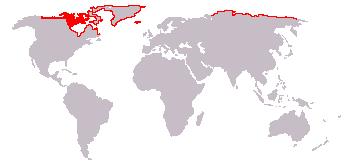
- Polar bear (Ursus maritimus) — specialized for sea-ice environments and largely carnivorous.
- American black bear (Ursus americanus) — common in North American forests.
- Asiatic or moon bear (Ursus thibetanus) — found in parts of Asia with distinctive chest marking.
Evolution and taxonomy
The fossil record and genetic studies place Ursus among the more recently diversified groups of bears, with ancestors appearing in the late Neogene and Pleistocene epochs. Taxonomy has been refined over time as molecular data clarified relationships between populations and species; some populations formerly treated as subspecies have been reclassified, and other bear lineages remain in separate genera within Ursidae.
Ecology, uses and interactions
Ursus species play important ecological roles as seed dispersers, predators and scavengers. They are also culturally and economically significant: admired in many cultures, studied by scientists, and managed by wildlife agencies. Human activities affect Ursus through habitat change, hunting, and conservation measures. Because species like the polar bear face rapid environmental change, their status often figures in conservation discussions.
For further information on the genus and its species, see general references on bears and resources about Ursus and Ursidae.
Related articles
Author
AlegsaOnline.com Ursus (genus) — large bears of the Northern Hemisphere Leandro Alegsa
URL: https://en.alegsaonline.com/art/103630