
Cellulose: structure, properties, uses, and biological role
Cellulose is the principal structural polysaccharide of plants and the most abundant organic polymer on Earth; this article describes its chemistry, occurrence, processing, applications and ecological importance.
Overview
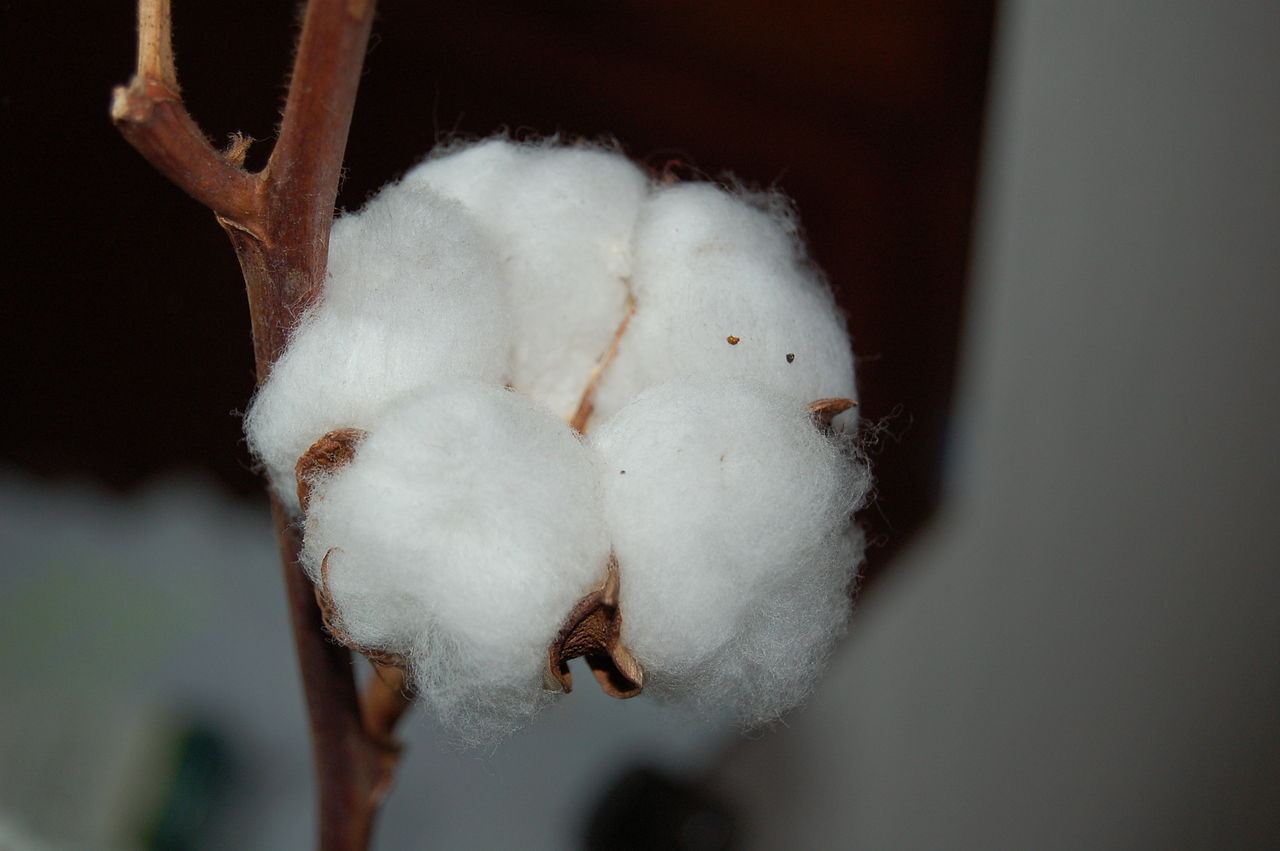
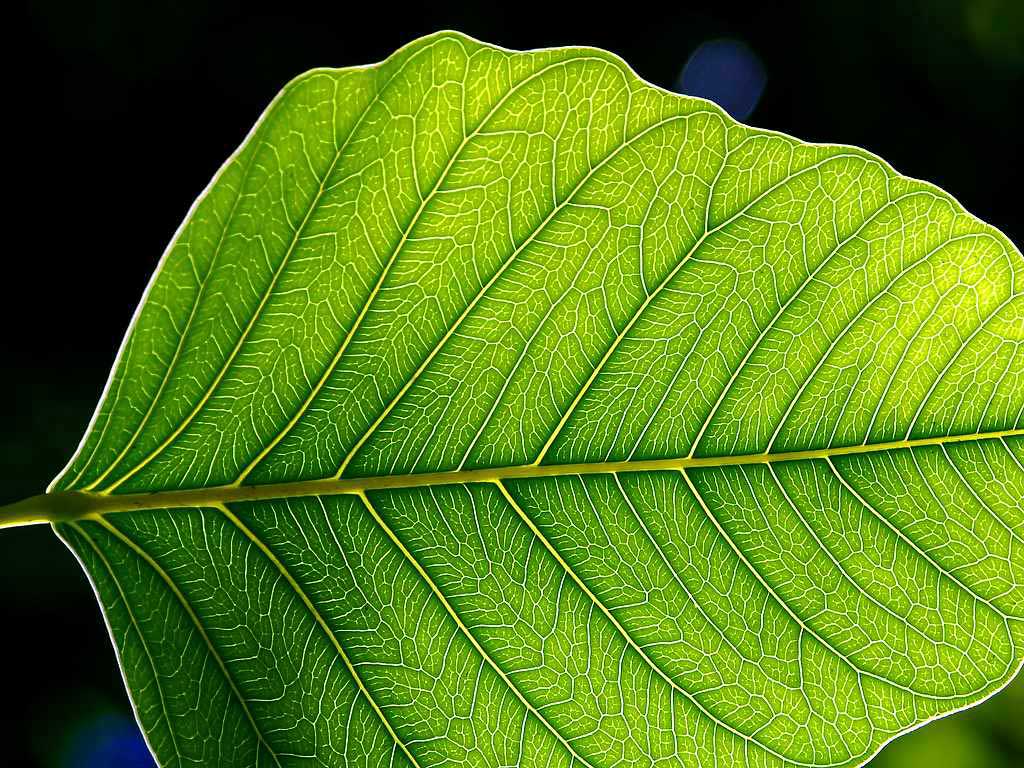
Cellulose is a linear polysaccharide composed of glucose units that forms the principal structural component of the cell walls of plants and many algae. As the most abundant organic polymer on Earth, it provides mechanical strength and rigidity to stems, leaves and wood, and constitutes the major fraction of common materials such as cotton, wood pulp and many fibers. For an introduction to its role in plants see plant cell walls.
Image gallery
7 Images




Chemical structure and physical properties
Chemically, cellulose is built from beta-1,4-linked anhydroglucose units (often written as the repeating unit C6H10O5). The beta linkages give cellulose a straight, extended chain that permits extensive interchain hydrogen bonding. Parallel chains associate into microfibrils and larger fibers, producing a material with high tensile strength, low solubility in water and resistance to many chemicals. Native cellulose exists in different crystalline arrangements and degrees of crystallinity; comparisons and material data are discussed in polymer references such as polymer references and in technical databases at material databases.
Occurrence and biosynthesis
Cellulose occurs in higher plants, many algae, some bacteria (bacterial cellulose) and certain fungi. In plants, cellulose is synthesised at the plasma membrane by multisubunit cellulose synthase complexes (CESA proteins) and is integrated with hemicelluloses and lignin to form the composite cell wall. The proportion and orientation of cellulose influence cell wall mechanics, plant growth and water transport.
History and identification
Cellulose was first isolated and characterized in the 19th century by the French chemist Anselme Payen, who reported a plant-derived substance with a distinct chemical composition. Early analytical work established its basic formula and polymeric nature; historical treatments and original reports can be consulted in collections of chemical history at historical collections and in biographical summaries such as those available via chemistry histories.
Processing and industrial derivatives
Wood pulp, cotton and other plant materials are the principal industrial sources of cellulose. Mechanical and chemical pulping methods separate cellulose fibers from lignin and hemicelluloses; further chemical treatments produce derivatives including cellulose acetate (used in film and textiles), carboxymethylcellulose and other ethers (used as thickeners and stabilizers). Regenerated cellulose fibres (viscose, lyocell) and novel nanocellulose materials extend technical applications; industry guidance and standards are described in industrial guides and on materials portals such as material databases.
Applications
- Pulp and paper: wood cellulose is the main raw material for paper and board.
- Textiles: natural fibers (cotton, linen) and regenerated cellulose fibres for clothing and technical textiles.
- Food and pharmaceuticals: cellulose derivatives used as stabilisers, binders and dietary (insoluble) fibre.
- Advanced materials: nanocellulose, composites and bacterial cellulose for biomedical and engineering uses.
Biodegradation and ecological role
Most animals lack endogenous enzymes to hydrolyze beta-1,4 bonds, so cellulose passes as insoluble dietary fibre in humans. Many microorganisms produce cellulases that cleave cellulose to glucose, and a number of animals (ruminants, termites) rely on symbiotic microbes to digest plant fiber. Microbial decomposition of cellulose is a central process in terrestrial carbon cycling and ecosystem nutrient turnover; ecological implications are reviewed in sources such as ecology resources.
Analytical and research methods
Characterization of cellulose employs chemical analysis, microscopy, X-ray diffraction and spectroscopy to assess degree of polymerization, crystallinity and supramolecular organization. Research into cellulose derivatives and sustainable processing continues to expand applications while addressing environmental and resource questions.
Distinguishing features: cellulose differs from related polysaccharides such as starch by its beta linkages and linear, unbranched chains; hemicelluloses are shorter, branched polysaccharides that associate with cellulose in cell walls.
Further reading and technical summaries are available via the above referenced guides and databases.
Related articles
Author
AlegsaOnline.com Cellulose: structure, properties, uses, and biological role Leandro Alegsa
URL: https://en.alegsaonline.com/art/17914