
Toe: anatomy, function, variation and clinical notes
Toes are the terminal digits of the foot that contribute to balance, propulsion and manipulation. This article covers their structure, variation among animals, roles in gait and common clinical and developmental conditions.
The toe is a digit at the distal end of the foot. In most vertebrates toes are formed from bones, joints, soft tissues and a protective nail or hoof. Their arrangement and proportions vary widely among species according to locomotor style and habitat: for example, many mammals walk on their toes (digitigrade), while humans are plantigrade and ungulates have highly modified, hoofed toes.
Image gallery
8 Images
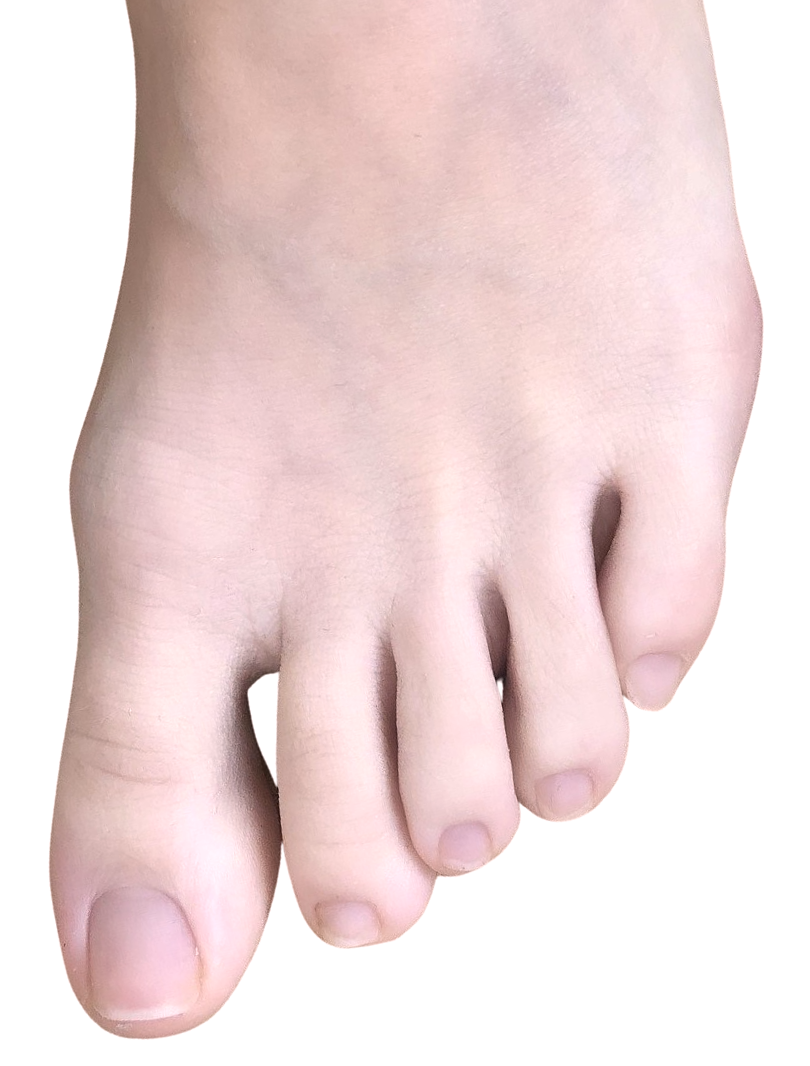


Anatomy and components
In humans and similar mammals each toe typically contains several small bones called phalanges. These phalanges articulate with the metatarsal bones of the midfoot, which together transfer forces to the ankle and leg. The most medial toe is the largest and is commonly called the big toe, great toe or hallux. Toes also contain tendons, ligaments and small intrinsic muscles that control fine movements. The outer surface of each distal phalanx is covered by a nail that protects the soft tissues beneath and can aid in delicate manipulation or sensation.
Variation across species and evolution
Toes reflect evolutionary adaptations to different modes of life. Many predators and small mammals are digitigrade, which increases stride length and speed. Ungulates have reduced the number of functional digits to support fast running and bearing weight; each hoof corresponds to a modified toe. Primates show different toe patterns: arboreal species often retain an opposable big toe for grasping branches, whereas in humans the hallux is adducted and aligned with the other toes to enhance bipedal walking. Birds, reptiles and amphibians have further modifications linked to perching, climbing or swimming.
Function: balance, propulsion and grasping
Toes play multiple mechanical roles. During walking and running they help stabilize the foot, provide leverage in the push-off phase, and distribute pressure across the sole. The big toe has an outsized role in forward propulsion and maintaining the center of balance. In species or individuals that use feet for manipulation, toes can contribute to grasping and holding objects. The relative importance of each toe varies: loss of a minor toe may be well tolerated, while loss of the hallux can markedly alter gait.
Common conditions and developmental differences
Toes are subject to a range of clinical issues, including deformities (bunions, hammertoes), nail problems (ingrown nails), trauma (fractures, lacerations), and congenital variations such as polydactyly (extra toes) or syndactyly (fused toes). Footwear, repetitive stress, age and systemic conditions like arthritis can influence toe health. Surgical and conservative treatments exist for many problems, and rehabilitation often focuses on restoring balance and gait mechanics.
Practical and cultural notes
Human toes are involved in everyday activities from standing and walking to balance-dependent sports. Cultural practices affecting toes range from types of footwear to nail grooming and, in some historical contexts, body modification. In prosthetic design and podiatry, the shape and function of toes inform devices and therapies aimed at improving mobility. Understanding toes therefore spans anatomy, evolution, clinical care and biomechanics.
- Key parts: phalanges, metatarsals, nails, tendons, ligaments.
- Major functions: support, propulsion, balance, limited manipulation.
- Notable facts: the hallux is central to human bipedal gait; hoofed animals have specialized toe structures.
Related articles
Author
AlegsaOnline.com Toe: anatomy, function, variation and clinical notes Leandro Alegsa
URL: https://en.alegsaonline.com/art/100248