
Ukrainians: People, Language, History and Global Diaspora
East Slavic people native to Ukraine, speaking Ukrainian; a nation with deep historical roots, rich culture and a large worldwide diaspora in Europe, the Americas and beyond.
Overview
Ukrainians are an East Slavic ethnolinguistic group native to the territory of Ukraine. Their identity is principally defined by the use of the Ukrainian language, a member of the Slavic language family, and by long-standing cultural, historical and religious traditions. Modern Ukrainian identity combines elements from medieval principalities, peasant and Cossack traditions, and the experience of living within or alongside larger neighboring states.
Image gallery
10 Images




Language and identity
The primary language of this group is Ukrainian, which is written in a variant of the Cyrillic alphabet and has its own standardized grammar and literary tradition. In many regions, especially historically in the south and east, Russian has also been widely spoken, resulting in bilingual communities and mixed cultural influences. Language is a key marker of identity for many Ukrainians, alongside religion, folklore and shared historical narratives.
Population and diaspora
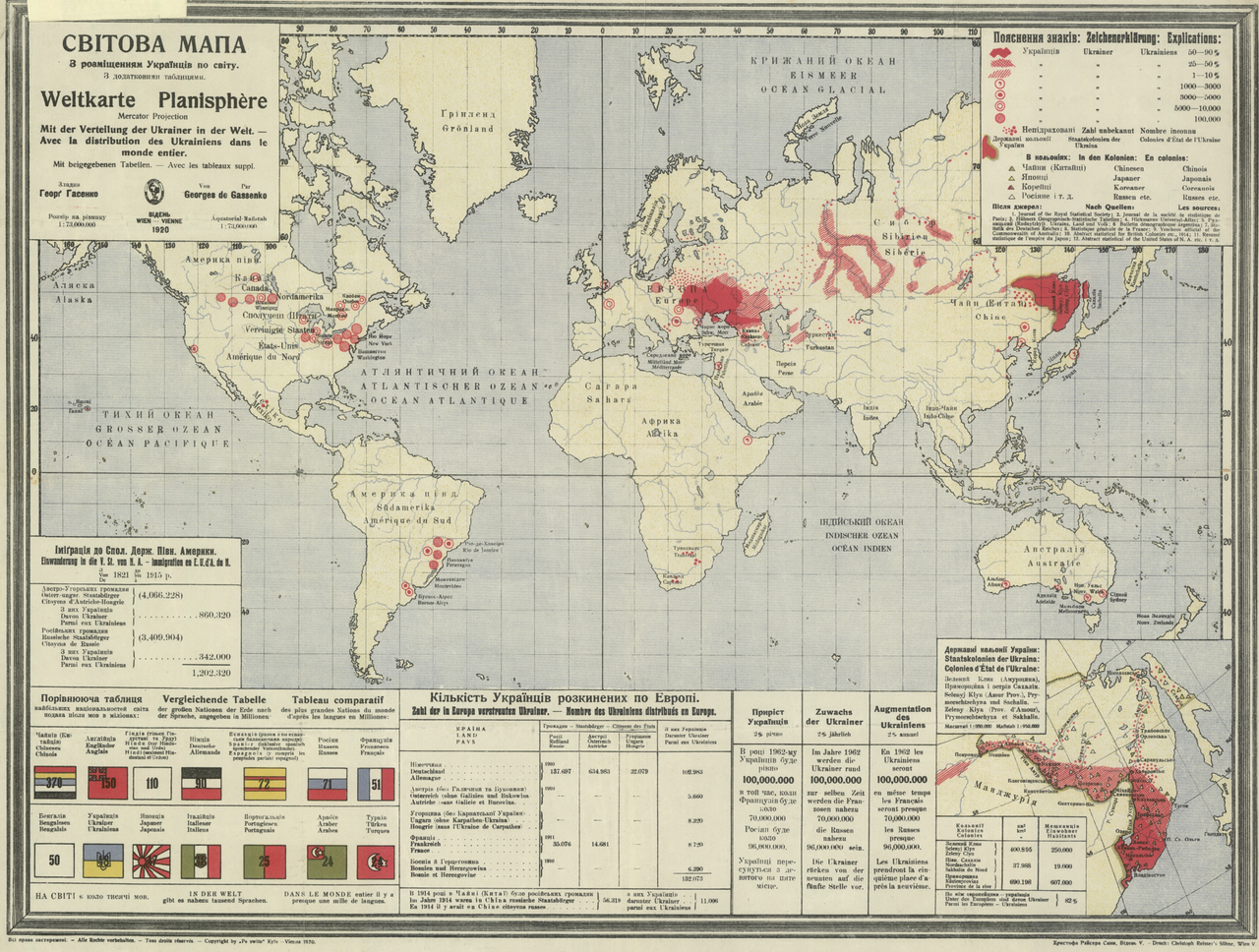
Population estimates vary over time; for example, the national census conducted in 2001 (see 2001 census) recorded around 37.5 million people within the country. More recent events and migration have altered totals, and contemporary estimates commonly cite roughly 40–45 million Ukrainians worldwide. Large communities live beyond the country's borders, forming a global diaspora that maintains cultural ties and associations.
- Russia — historically home to a large number of people of Ukrainian origin.
- United States and Canada — important North American centers of Ukrainian immigration and cultural life.
- Brazil, Kazakhstan, Moldova and Argentina — countries with notable Ukrainian settler communities.
- Poland, Belarus, Slovakia and other European states.
- Additional communities and newer migrations are present in Germany, the United Kingdom, Portugal, Romania and Latvia.
History and cultural roots
The cultural and political roots of Ukrainians draw from early medieval East Slavic states, the agricultural and communal life of the countryside, and the military and social institutions of groups such as the Zaporozhian Cossacks. These influences have shaped folk music, dance, dress and rituals, and are frequently cited in national symbols and anthems. Over centuries, shifting borders, foreign rule and periods of statehood have influenced language policy, religious life and cultural expression.
Contemporary significance and notable facts
Ukrainians form one of Europe's largest national populations and have a visible cultural impact through literature, music, cuisine and scholarship. The global diaspora supports community organizations, churches and cultural festivals that maintain language and traditions abroad. Demographic trends, migration and political developments continue to affect the distribution and public life of Ukrainians today.
Related articles
Author
AlegsaOnline.com Ukrainians: People, Language, History and Global Diaspora Leandro Alegsa
URL: https://en.alegsaonline.com/art/102647
Sources
- joshuaproject.net : Ukrainians
- ukrinform.ua : 20mln Ukrainians living abroad
- ukrcensus.gov.ua : "Results / General results of the census / National composition of population"