
Census: population counting and data collection
A census is a comprehensive count and survey of a defined population. This article explains what a census records, how it is conducted, its history, uses, and common issues like privacy and coverage.
Overview
A census is a systematic effort to collect basic information about every member of a defined population. While commonly associated with people, the same approach can be applied to animals, households, businesses or other groups. The goal is to produce a complete snapshot rather than a sample, recording attributes such as residence, age ranges, relationship to household head, and other demographic details.
Image gallery
6 Images
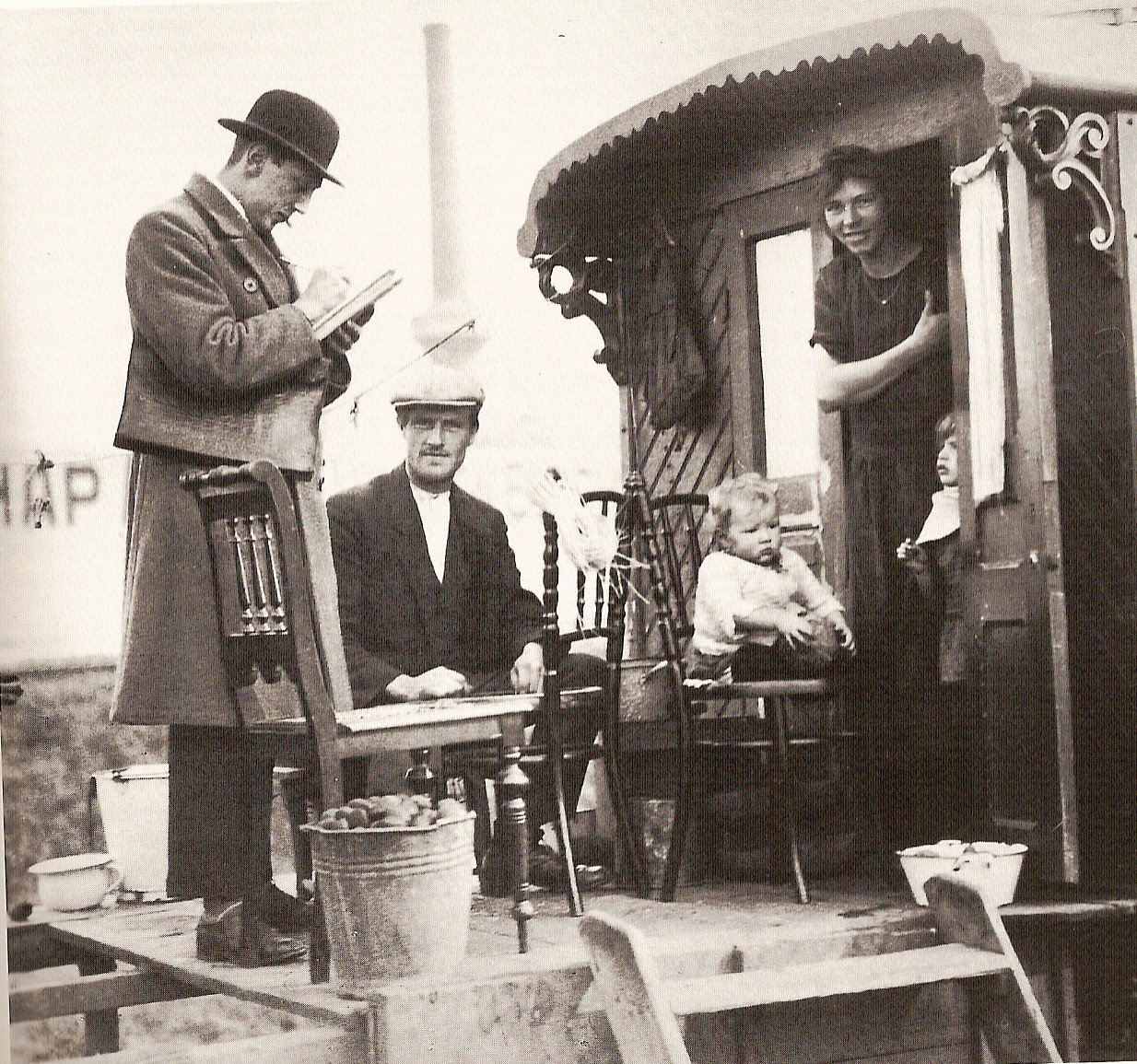




Key characteristics
A full census aims for universality and individual-level records that can be aggregated into statistics. It typically includes questions about location, composition of households, and a small set of social or economic characteristics. A census generates a large, coherent database designed for statistical tabulation and policy use. National censuses are usually mandated by law and run by a central statistics authority or census office such as those in the United States and United Kingdom.
How and how often
Methods vary: some censuses use mailed questionnaires, door-to-door interviews, telephone follow-ups, online forms, or administrative records adapted for statistical use. Many countries schedule a regular cycle: for example, the decennial model is common, while other countries hold censuses every five years. Examples include Australia, Canada, Japan, and New Zealand, each using periodic enumeration to update population counts and demographic trends.
Data processing and technology
Censuses have driven advances in data handling. Early large-scale censuses prompted developments such as mechanical tabulation and the use of punched cards; modern operations rely on secure digital systems, cloud processing and statistical software to convert raw returns into usable tables. Census programmes build extensive datasets and often create or adopt new information technologies for collection, editing and dissemination. Historical innovations include the adoption of punched cards and later electronic processing methods.
History and legal basis
The practice of counting populations has ancient roots: in many societies the activity was tied to taxation, military service, or civic rights. The modern concept of a national census traces to organized state record-keeping; the word itself derives from the registers of the Roman Republic. Contemporary censuses are typically authorized by statute and structured to balance legal obligations, statistical design and privacy protections. Early examples and their administrative roles can be traced to the Roman lists of citizens and other historical enumerations documented by scholars as civic registers.
Uses, limits and notable facts
Census results guide representation, public spending, planning for schools, hospitals and transport, and academic research. Because a full count is costly and complex, censuses are complemented by surveys and administrative data. Common challenges include undercounting of marginalized groups, ensuring confidentiality, and adapting questions to changing social realities. Most statistical offices publish guidance on data quality and confidentiality safeguards and release aggregated tabulations for public use.
Practical examples and resources
- Uses: apportionment of legislative seats, allocation of government funds, market research.
- Methods: mail-out forms, online returns, field interviews, integration with administrative records.
- Further reading: official census offices and methodological reports provide detailed descriptions of procedures and privacy measures.
For general introductions and official materials, consult national statistics agencies and methodological overviews provided by international organizations; these sources explain design choices, frequency, and the balance between coverage and respondent burden.
Tags
Related articles
Author
AlegsaOnline.com Census: population counting and data collection Leandro Alegsa
URL: https://en.alegsaonline.com/art/17952