
Ulster Scots people
Ethnic and cultural community in Ulster descended mainly from Lowland Scots and border English settlers; notable for Scots-derived dialects, Presbyterian traditions, cultural institutions and a large diaspora.
Overview
The term Ulster Scots describes a historical and contemporary community in the northern province of Ulster in Ireland, formed mainly by settlers from the Scottish Lowlands and the border counties of northern England. These settlers arrived in significant numbers from the late 16th century and especially during the organised Plantation of Ulster. The identity combines elements of regional speech, religious affiliation, cultural traditions and family histories, and it remains visible both in parts of Northern Ireland and among descendants abroad. For general context and regional summaries see regional overviews.
Image gallery
3 Images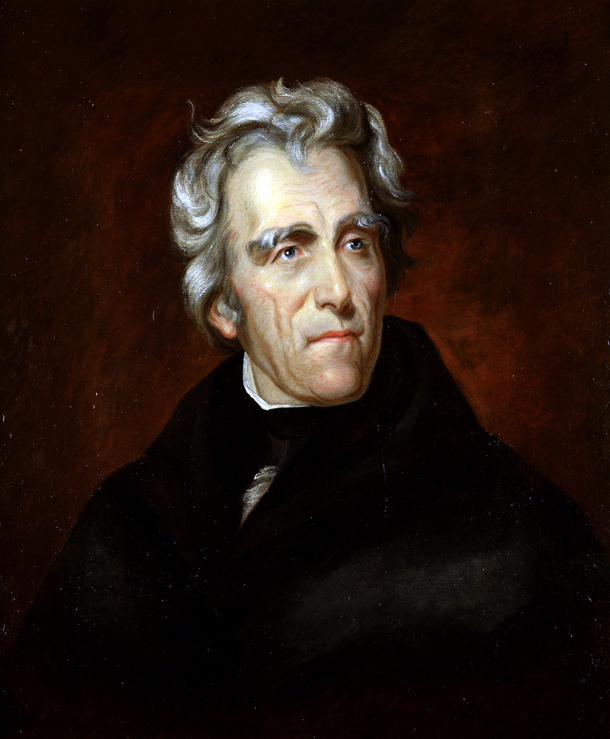


Origins and settlement
Large-scale settlement is most commonly associated with the early 17th century Plantation of Ulster, a policy that brought Protestant settlers to lands that had been held by Gaelic Irish lords; the plantation is discussed in many historical accounts and overview studies (plantation studies). The settlers were predominantly of Lowland Scottish origin and included families from areas such as Galloway and Ayrshire (Ayrshire and Galloway) and the Borders region (Scottish Borders). Some settlers came from further into the Scottish Lowlands and from border communities often associated with the Border Reivers of earlier centuries. Earlier influences on Ulster’s martial and household classes included the arrival of gallowglass mercenaries from parts of western Scotland.
Language and literature
Language has been a defining feature. Descendants speak varieties influenced by Scots and English, commonly called Ulster Scots or Ulster varieties of Scots; these forms are related to, but distinct from, other Scots dialects and have been the subject of linguistic study and revival projects (language resources). Oral tradition, balladry and local poetry preserved in Ulster Scots reflect the community’s rural and working-class histories and have contributed to wider literatures in both Ireland and the anglophone world.
Religion and social life
Religion shaped community institutions. Many Ulster Scots were and are Protestant, with Presbyterianism particularly prominent. Church life influenced schooling, social networks and patterns of local authority. Over time the Ulster Scots population included a range of Protestant denominations as well as individuals engaged with broader civic life in towns and rural districts.
Emigration and diaspora
A significant feature of Ulster Scots history is emigration. From the 17th century onward, many people of Ulster Scots descent emigrated to the American colonies (where they are often called Scotch-Irish or Scots-Irish), forming substantial communities that influenced frontier and later national cultures (United States history). Later and parallel migrations reached Canada (Canada), Australia (Australia), New Zealand (New Zealand) and South Africa (South Africa), and smaller but noteworthy settlements appeared in parts of South America such as Argentina (Argentina) and Chile (Chile). Surveys of these movements and their impact on imperial and settler societies are discussed in migration overviews (South America surveys) and studies of the wider British imperial context (imperial context).
Terminology and distinctions
Names applied to the group vary by place and period. In Ireland and the United Kingdom the compound Ulster Scots or Ulster-Scots is commonly used, while in the United States the historical term Scotch-Irish (and more recently Scots-Irish) denotes those whose families migrated from Ulster. These terms are distinct from references to more recent Irish migrants to Scotland sometimes described as Irish-Scots (Irish-Scots), and terminology is often discussed in works that consider identity, language and political history.
Identity, politics and cultural revival
During the 19th and 20th centuries Ulster Scots identity intersected with regional politics, social reform and economic change. In the later 20th and early 21st centuries there has been renewed interest in preserving and promoting Ulster Scots language and culture through societies, educational initiatives and festivals. These efforts emphasise music, dance, dialect teaching and family history research while sometimes generating debate over historical interpretation and public funding for cultural projects.
Contributions and legacy
Ulster Scots communities have contributed to the social and cultural life of several nations through farming, industrial labour, religious institutions, political participation and creative expression. Their folk music, ballads and crafts have been incorporated into broader regional traditions, and descendants continue to trace family links and local histories in Northern Ireland and overseas.
Further reading and resources
Readers seeking introductory surveys and specialist studies can consult regional summaries and linguistic resources (overview, linguistic study), works on the Plantation of Ulster (plantation), and migration histories covering destinations such as the United States, Canada, Australia and New Zealand, as well as studies of settlement in South Africa and South America (Argentina, Chile, broader surveys). For comparative background on British and imperial contexts see imperial studies, and for discussions of naming and modern identity politics consult materials on Irish-Scots and related groups.
- Major areas of origin: Ayrshire and Galloway, Scottish Borders, Scottish Lowlands.
- Principal diaspora destinations: United States, Canada, Australia, New Zealand, South Africa, Argentina, Chile.
- Key subjects for study: language and dialects, religious history, plantation-era settlement and later migration.
Questions and answers
Q: What is the ethnic group known as Ulster Scots?
A: Ulster Scots are an ethnic group in Ireland, descended from Lowland Scots and English people who lived on the border between those two countries.
Q: How did they come to occupy Ireland?
A: The Ulster Scots first began to occupy Ireland in large numbers with the Plantation of Ulster, which was ordered by James I of England on land taken from Irish nobility, mostly in the Province of Ulster.
Q: Where did most of them originate from?
A: Most of the Ulster-Scots were descended from colonists from Galloway, Ayrshire, and the Scottish Borders Country, although some descend from people further north in the Scottish Lowlands and Highlands.
Q: Where did many of them emigrate to?
A: Many Ulster-Scots emigrated to all corners of the British Empire - Canada, Australia, New Zealand, South Africa - as well as Argentina and Chile in South America.
Q: What is a traditional term for these immigrants who later moved to America?
A: Scotch-Irish is a traditional term for these immigrants who later moved to what is now known as the United States.
Q: Is there a more recent form for this term used in America?
A: Yes, "Scots-Irish" is a more recent form of this American term; however it should not be confused with Irish-Scots which refers to recent Irish immigrants to Scotland.
Related articles
Author
AlegsaOnline.com Ulster Scots people Leandro Alegsa
URL: https://en.alegsaonline.com/art/102683
Sources
- merriam-webster.com : Scotch Irish in Merriam Webster dictionary
- merriam-webster.com : Scots Irish in Merriam Webster dictionary