
Diaspora: communities dispersed from ancestral homelands
Diaspora describes populations living outside their historical homeland. The term covers many voluntary and forced movements, distinctive community practices, historical examples, and modern transnational roles.
Diaspora is a term for peoples or ethnic groups who live beyond their traditional homeland while maintaining a connection to it. The word comes from the Ancient Greek διασπορά, meaning a scattering or sowing of seeds. Its earliest recorded use in this sense appears in the Septuagint, applied to the dispersal of Jews after the capture of Jerusalem by the Babylonians in 586 BC. More broadly today, diaspora can refer to any group formed through emigration, exile, forced displacement or long-term migration.
Image gallery
10 Images


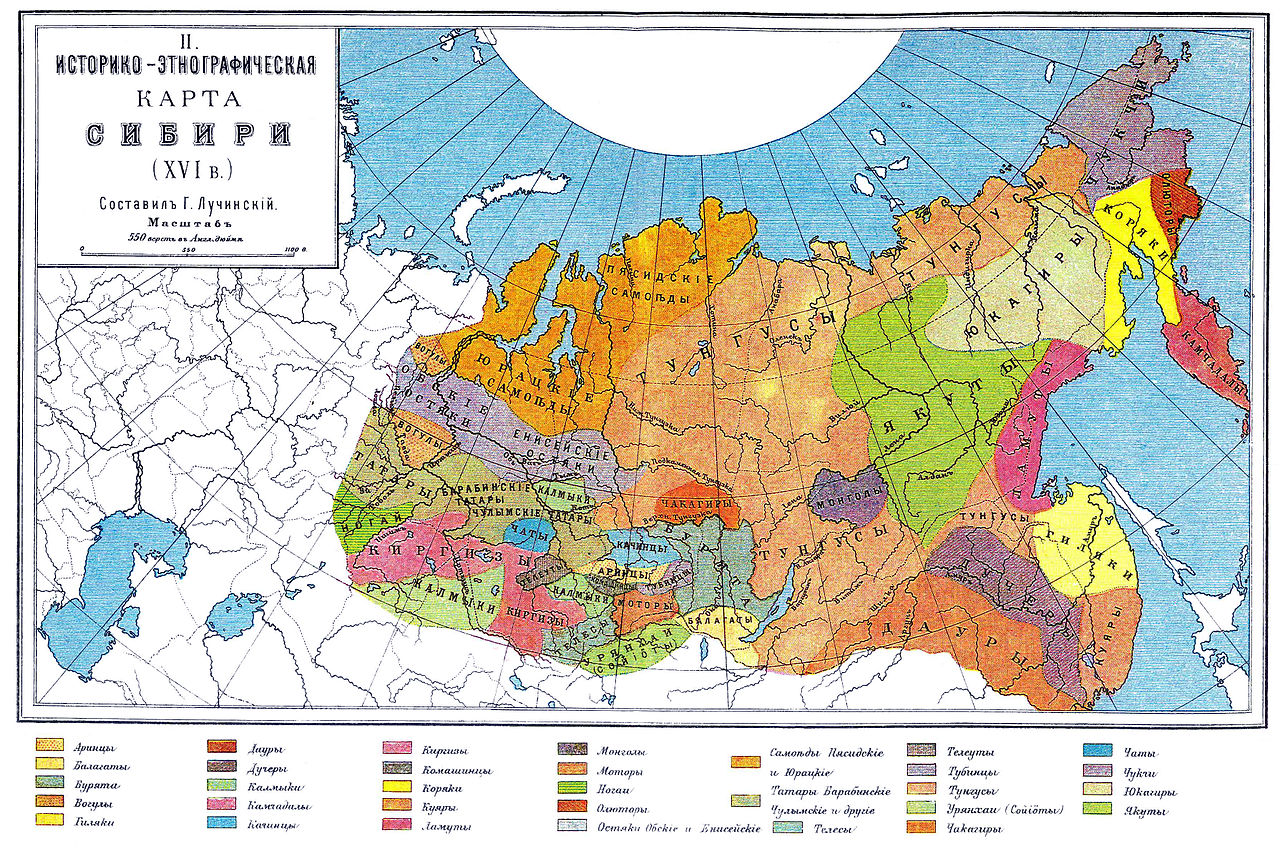


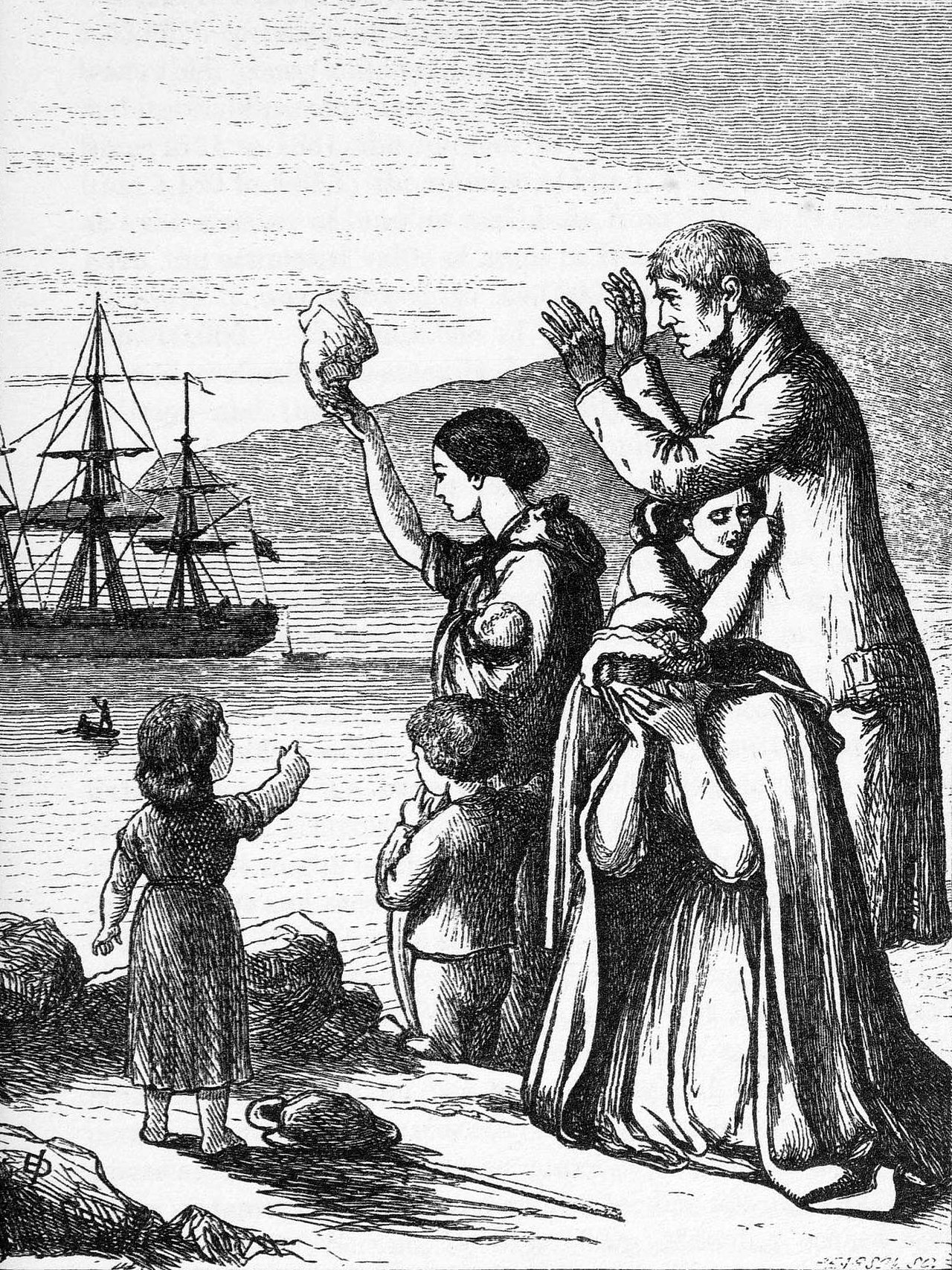


Characteristics and functions
Many diasporic communities share several traits: retention of a sense of historical memory and identity, social networks that cross borders, institutions (places of worship, schools, associations) that reproduce cultural practices, and economic ties such as remittances. Diasporas frequently act as transnational bridges, facilitating trade, cultural exchange and political lobbying between host societies and the homeland.
History and examples
Historically the concept arose around the Jewish experience, but other prominent diasporas developed through a mix of voluntary migration, colonial labor movements, and forced displacement. Examples include the African diaspora shaped by the transatlantic slave trade, the Armenian communities established after persecution in the Ottoman era, and Asian diasporas that grew from labor migration and commerce during the 19th and 20th centuries.
- Jewish diaspora: ancient and enduring religious and cultural networks.
- African diaspora: displacement and cultural diffusion across the Americas and elsewhere.
- Armenian, Indian, Chinese, Lebanese and Irish diasporas: varied origins and global presences.
Uses, importance, and distinctions
Diasporas influence homeland politics, development, and international relations through financial flows, advocacy and knowledge transfer. They differ from temporary migration or isolated immigrant communities by their sustained collective identity and often by an explicit orientation toward a homeland. Distinctions are also drawn between voluntary diasporas and those formed by enslavement, exile or expulsion.
In the contemporary era diasporas adapt to digital communication, creating online networks that strengthen cultural ties and mobilize resources quickly. Governments and organizations increasingly design policies to engage diasporas for investment, voting rights or cultural diplomacy. At the same time, diasporic groups may face integration challenges, discrimination, or internal debates about representation and ties to the homeland.
Understanding diaspora requires attention to historical causes, social practices, and the changing technologies and legal frameworks that shape how dispersed communities sustain identity and influence both origin and host societies.
Further reading and resources can be found through academic and community portals using the links above and related research hubs; a range of scholarly and community sources explores these topics in depth.
Related articles
Author
AlegsaOnline.com Diaspora: communities dispersed from ancestral homelands Leandro Alegsa
URL: https://en.alegsaonline.com/art/27148