
Uto-Aztecan languages
A major Native American language family spread from the western United States into central Mexico, including well-known languages such as Nahuatl, Hopi, Ute, and Shoshone.
Overview
The Uto-Aztecan languages form a widespread family of indigenous languages of the Americas. Speakers historically occupied a large north–south range extending from the Great Basin and other parts of the western United States into central and western Mexico. The family comprises more than thirty individual languages and many dialects, some of which remain vital while others are endangered or extinct. For a general reference to the family see Uto-Aztecan overview and for its continental context consult Americas language maps.
Image gallery
3 Images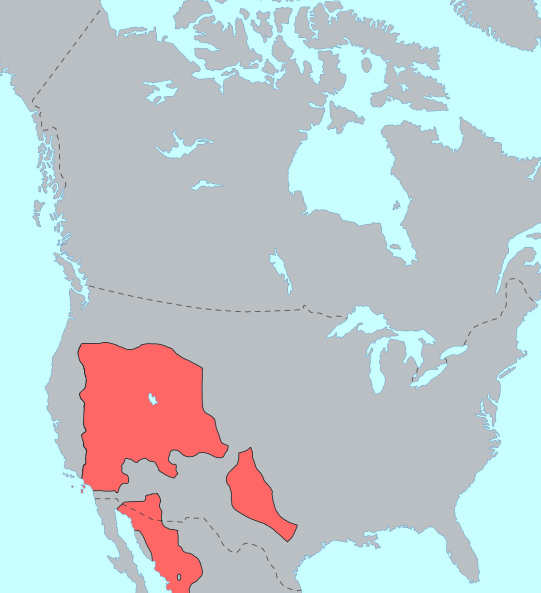


Geographic distribution and branches
Uto-Aztecan languages are mainly found in the western United States and Mexico. In the United States they appear in areas such as the Great Basin, parts of California, Arizona and New Mexico; in Mexico they extend into the north and central highlands. For maps of the U.S. distribution see Western U.S. regions and for Mexico consult Mexican distributions. Linguists commonly divide the family into two major groupings, often called Northern and Southern (or Aztecan/Nahuan), with the latter including the Nahuan branch represented by Nahuatl.
Linguistic characteristics
Many Uto-Aztecan languages share structural traits such as suffixing morphology, productive derivational and inflectional processes, and comparable sound correspondences that support the genetic grouping. Word order and phonologies vary by language: some are relatively conservative while others have undergone significant changes. Mutual intelligibility between named languages is limited; the family is best treated as a group of related but distinct languages rather than dialects of a single tongue. For surveys and language counts see language list.
History and development
Archaeological, historical and comparative-linguistic evidence suggests that Uto-Aztecan speakers spread over a large area in pre-contact times, adapting to diverse ecological zones from arid north to agricultural south. The Nahuan branch became particularly prominent in central Mexico before and during the period of the Aztec empire, producing Classical Nahuatl literature and administrative use.
Contemporary status and notable languages
Today the family includes both well-documented languages and severely endangered ones. Some notable members are:
- Hopi — spoken in northeastern Arizona
- Ute and Shoshone — northern Great Basin languages associated with Ute and Shoshone peoples
- Comanche — historically a Plains offshoot of Shoshone
- Tarahumara (Rarámuri) and Huichol — northern Mexican highland languages
- Nahuatl — the best known southern branch, with classical and modern varieties that influenced Mesoamerican history
Efforts at documentation, teaching and revitalization continue throughout the region. General introductions and further resources are available at regional language portals: Ute resources and broader family summaries at Uto-Aztecan overview or language list.
Related articles
Author
AlegsaOnline.com Uto-Aztecan languages Leandro Alegsa
URL: https://en.alegsaonline.com/art/103740