
Portugal: geography, history, culture and modern significance
Concise encyclopedia entry on Portugal: location, physical features, historical development, colonial legacy, politics, economy, society and tourism, with pointers to major cultural and international links.
Overview
Portugal is a sovereign country on the western edge of continental Europe, occupying the western flank of the Iberian Peninsula. It is bordered by Spain to the north and east and by the Atlantic Ocean to the west and south. Portugal’s climate is influenced by the ocean and by Mediterranean patterns in parts of the mainland. The capital and largest city is Lisbon, and the country has been a member of the European Union since 1986.
Image gallery
10 Images



Geography and environment
The Portuguese state includes mainland territory and two autonomous island regions in the Atlantic: the Azores and Madeira. The mainland landscape ranges from coastal plains and river valleys to hilly interior regions and mountain ranges in the north and east. Maritime influence moderates temperatures along the coast, while interior areas may be hotter in summer and colder in winter. Portugal’s long coastline has shaped its fishing, shipping and port infrastructure, and its ecosystems include Mediterranean-type scrub, pine and oak woodlands and important wetland and marine habitats.
Historical outline
Portugal emerged as a kingdom in the medieval period and became a major seafaring power in the 15th and 16th centuries during the Age of Discovery. Portuguese explorers opened maritime routes to Africa, Asia and the Americas and established a wide-ranging overseas presence that became known as the Portuguese Empire. That imperial network linked Europe with territories such as Brazil, Angola, Mozambique, Guinea-Bissau, East Timor, São Tomé and Príncipe, Portuguese holdings in South Asia including parts of what is now Sri Lanka, and trading posts such as Macau in connection with China.
20th century and decolonisation
In the 20th century Portugal experienced long periods of authoritarian rule. From 1926 until 1974 the country was governed under the conservative and corporatist Estado Novo regime. That era ended with the largely peaceful Carnation Revolution, a military-led movement that brought democratic reform and initiated a process of rapid decolonisation. The political transition reshaped Portuguese society and its relations with former overseas territories.
Government and society
Today Portugal is a parliamentary democracy with a president as head of state and a prime minister as head of government. Public life features active civic institutions, a multi-party system, and membership in international organisations. Portuguese is the official language and is spoken widely beyond Europe because of historical ties; the country maintains cultural and economic links with Lusophone communities worldwide.
Economy and infrastructure
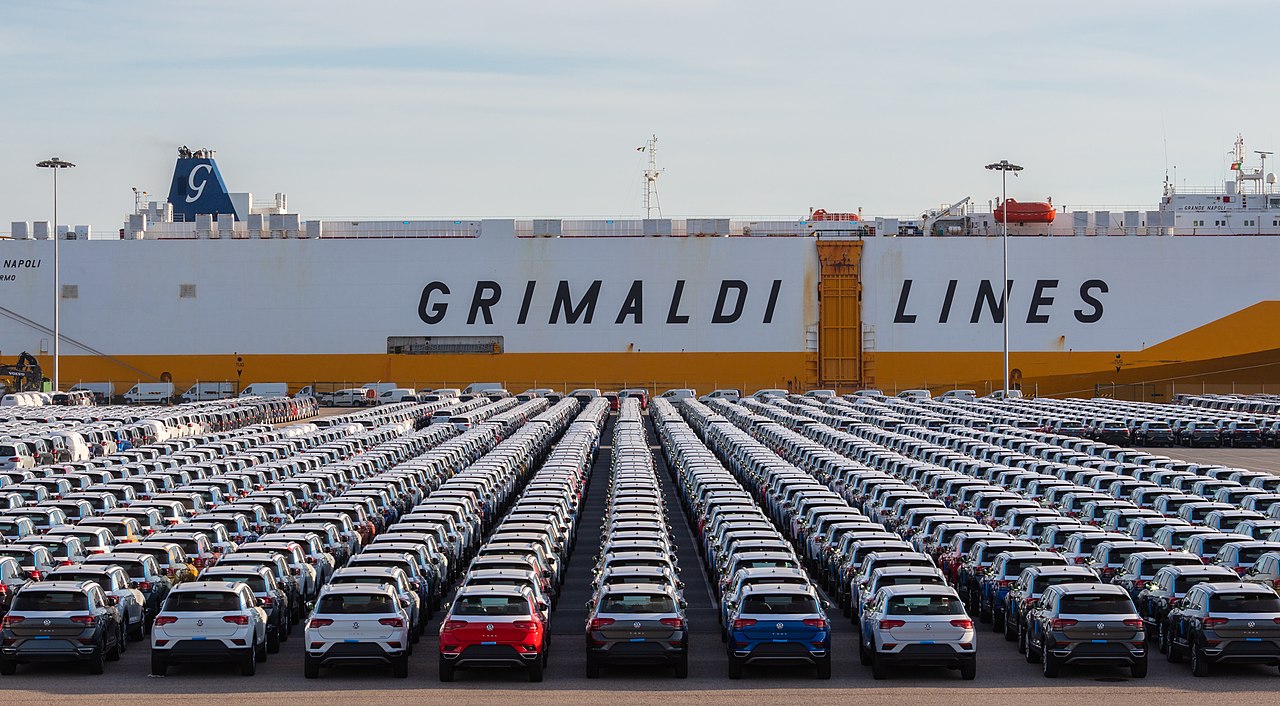
The modern Portuguese economy is diverse. Services, tourism, manufacturing, agriculture and fisheries are important sectors, along with distinctive products such as cork and world-renowned wines (notably Port and Madeira). Portugal has developed a growing information and technology sector and significant transport links through its ports and airports. The economy has adapted after setbacks during the late-2000s global financial crisis through reforms, fiscal measures and an expansion of international tourism.
Culture and identity
Portuguese culture blends regional traditions with influences from centuries of maritime contact. Music genres such as fado are widely recognised symbols of national expression. Portuguese cuisine emphasises seafood, olive oil, breads and pastries; bacalhau (salted cod) dishes and fortified wines are emblematic. Decorative arts such as azulejo tiles and folk crafts are important elements of local identity, while festivals, religious observances and regional customs remain lively features of social life.
Sports, arts and recognition
Portugal is internationally visible in sports, notably football, and in contemporary arts and music. The country recorded a notable event when it won the Eurovision Song Contest 2017, and it has produced internationally known athletes, musicians and writers. Cultural institutions and museums in cities such as Lisbon and Porto preserve historical archives and attract international visitors.
Tourism and regions
The Algarve in the south is a well-known holiday region for its beaches and resorts; Lisbon, Porto and the island groups of Madeira and the Azores are also popular for city breaks, cultural tourism and nature activities. Inland areas offer historic towns, wine regions and outdoor recreation, while the maritime setting fosters surfing and coastal tourism. Visitors often combine cultural sightseeing with culinary experiences and countryside exploration.
International relations and legacy
Portugal’s historical global presence left enduring links with countries across several continents. Contemporary diplomacy often emphasises cooperation with former territories and membership of international bodies. Portuguese emigration has established communities around the world, contributing to the country’s global cultural footprint and to economic and familial ties abroad.
Further reading and resources
For basic facts and in-depth study, consult national statistical offices, academic treatments of European and Atlantic history, and cultural overviews. Topics for further research include maritime exploration, the process of decolonisation, modern economic development, and Portugal’s role within the European Union. Authoritative reference sources and specialised histories provide detailed treatments of regional diversity, artistic traditions and social change.
Relevant cross-references: Portugal (general), Iberian Peninsula, Mediterranean influences, Atlantic Ocean, Spain, European Union, Estado Novo, Eurovision 2017, Portuguese Empire, Brazil, Angola, Mozambique, Guinea-Bissau, East Timor, São Tomé and Príncipe, Sri Lanka, Macau, China.
Questions and answers
Q: What country is Portugal in?
A: Portugal is located in Southern Europe on the Iberian Peninsula.
Q: What countries does Portugal border?
A: Portugal is bordered by the Atlantic Ocean to the west and south, and by Spain to the north and east.
Q: When did Portugal become a member of the European Union?
A: Portugal has been a member of the European Union since 1986.
Q: How long was Estado Novo in power?
A: The dictatorship of Estado Novo lasted from 1926 until 1974.
Q: What ended Estado Novo's rule?
A: The Portuguese dictatorship was ended by a peaceful revolution called Carnation Revolution.
Q: What empire did Portugal have?
A: Portugal once had an empire called the Portuguese Empire which existed between 1500s–1800s. It included Brazil, Angola, Mozambique, Guinea-Bissau, East Timore, São Tomé and Príncipe, Portuguese Ceylon (Sri Lanka) and even Macau in China (until 2002).
Q: Why is Portugal sometimes overlooked as a holiday destination?
A: Despite being a popular holiday destination, it can often be overlooked in favour of larger countries like France, Spain and Italy.
Tags
Related articles
Author
AlegsaOnline.com Portugal: geography, history, culture and modern significance Leandro Alegsa
URL: https://en.alegsaonline.com/art/78317
Sources
- commons.wikimedia.org : Portugal
- en.wikivoyage.org : Portugal
- pordata.pt : Pordata, "Base de Dados Portugal Contemporâneo"
- ine.pt : ine.pt/scripts/flex_v10/Main.html
- imf.org : "Portugal"
- ine.pt : "Gini Index"
- hdr.undp.org : "Human Development Report 2010"
- ec.europa.eu : "The Euromosaic study, Mirandese in Portugal"
- wdl.org : "The Lusiads"