
Ukrainian language: overview, history, and characteristics
A concise reference on Ukrainian: its classification, script, historical development, dialects, literary tradition, global use, and differences from related Slavic languages.
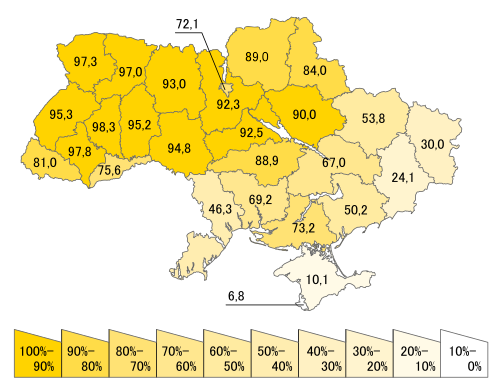
The Ukrainian language (official name and transliteration) is an Eastern Slavic tongue that belongs to the larger Indo-European family. It serves as the state language of Ukraine and is used in government, education, media and everyday life. Native speakers are concentrated in Ukraine, while sizable diaspora communities live in neighboring countries and overseas.
Image gallery
10 Images
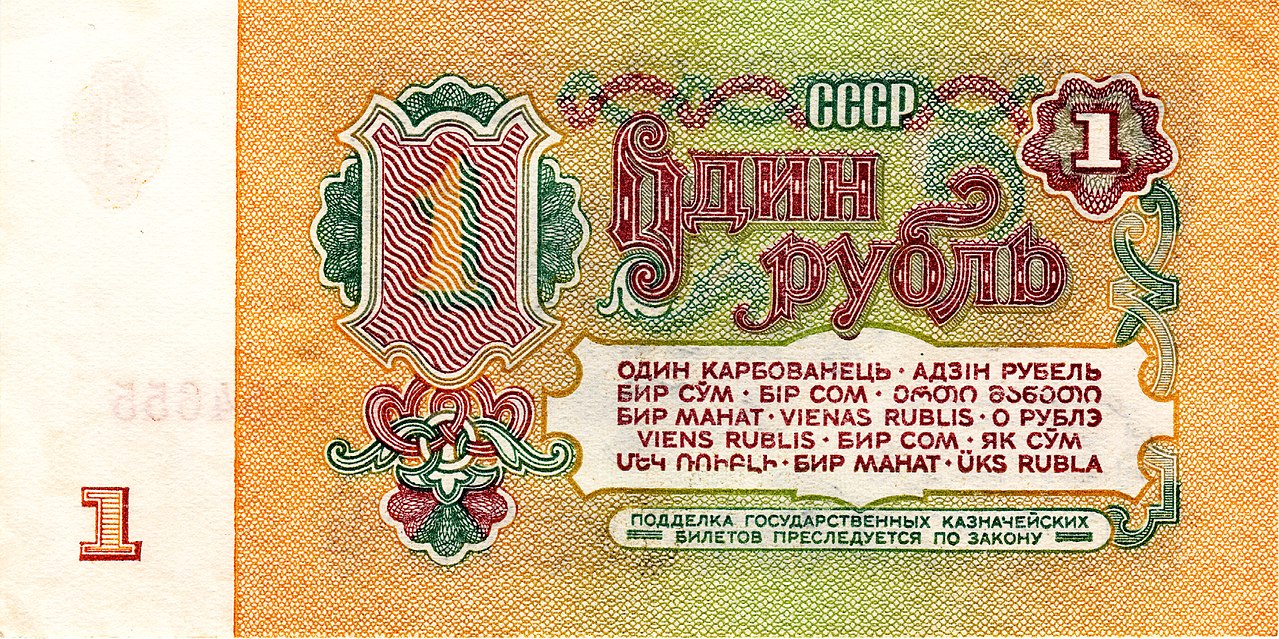
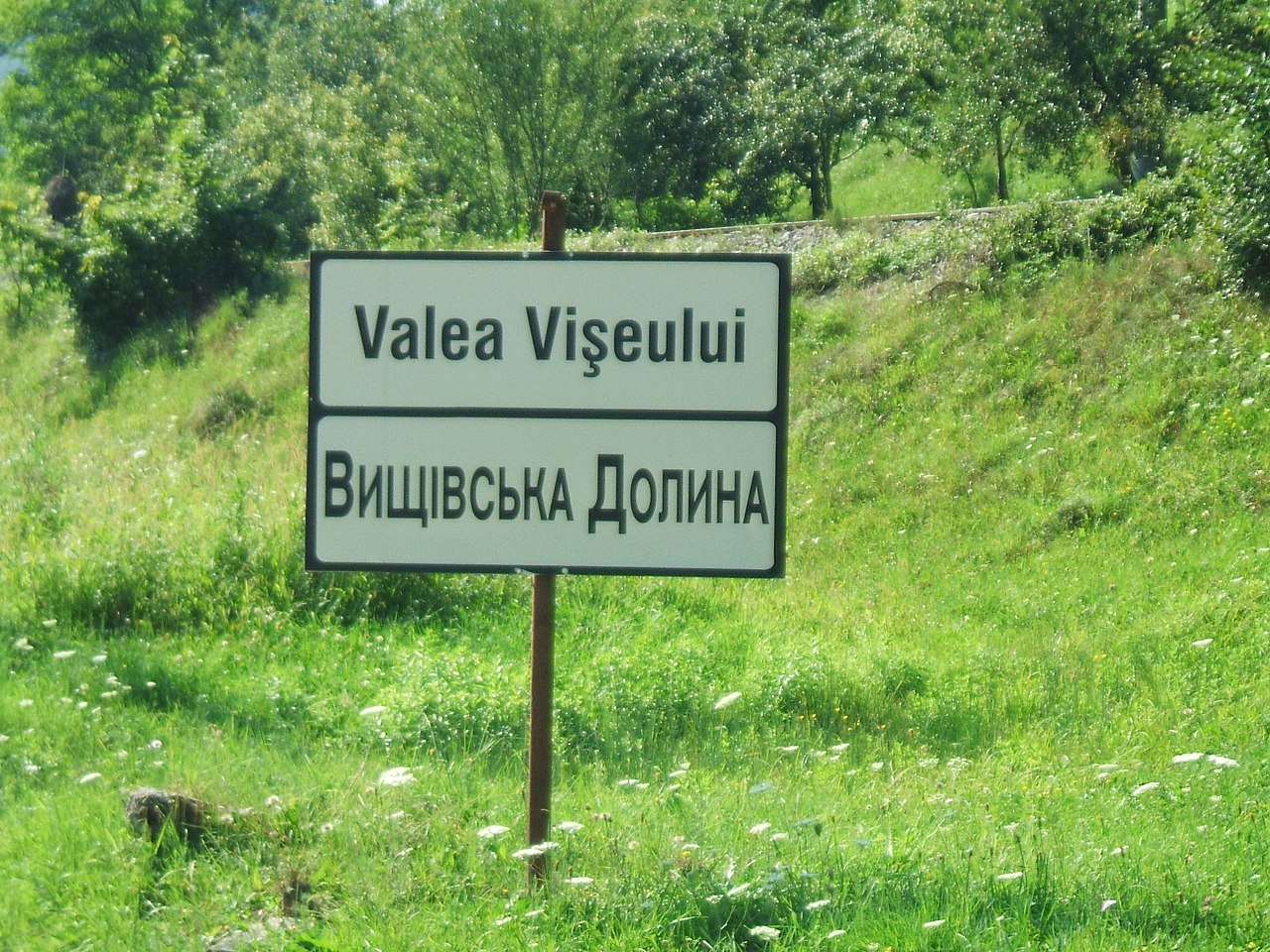


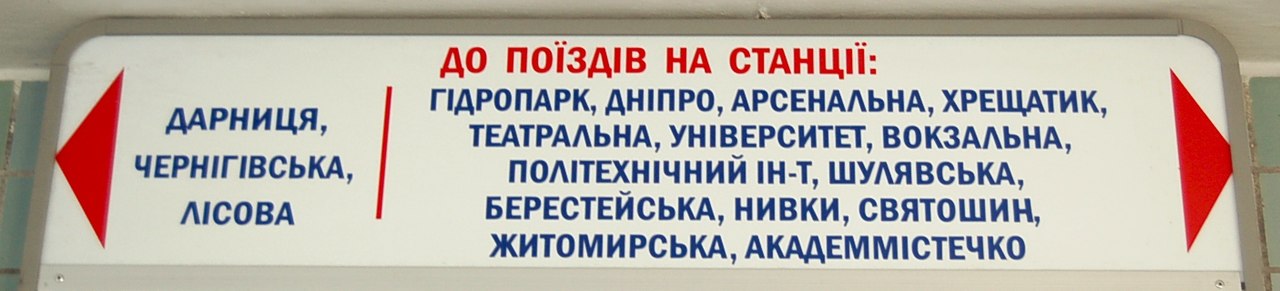
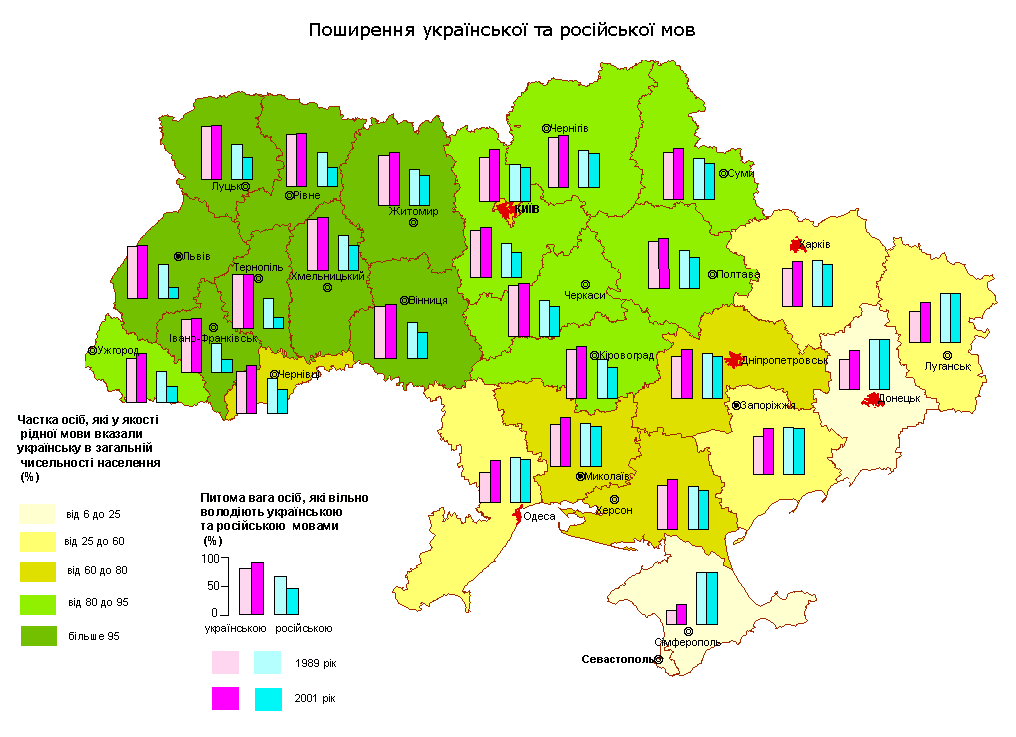

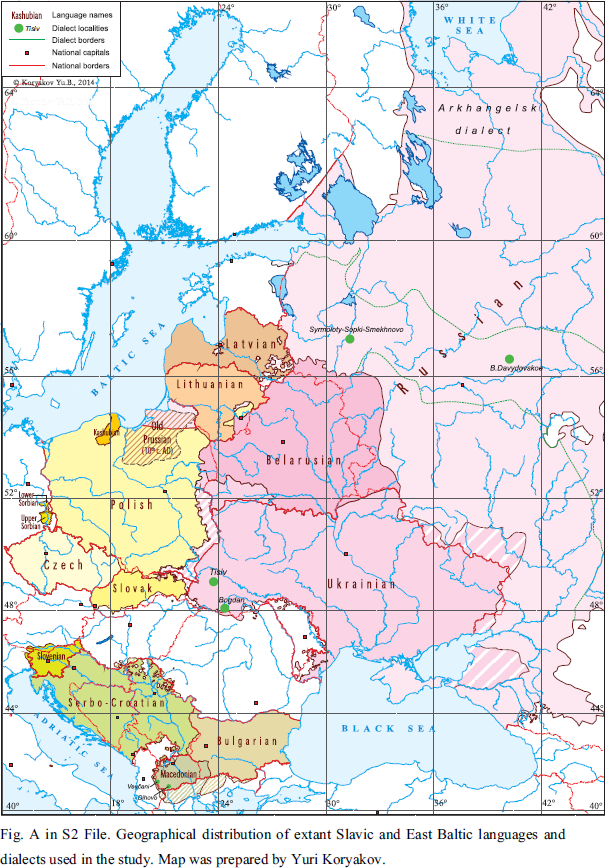
Classification and script
Ukrainian is grouped with Belarusian and Russian as an East Slavic language; its broader affiliation is with the Indo-European family (language family overview). The modern language is written with a variant of the Cyrillic alphabet—commonly given as a 33‑letter Ukrainian alphabet—whose letters represent the language's vowel and consonant distinctions. For further technical description and orthography, see classification and writing.
Linguistic features
Phonetically, Ukrainian preserves several features distinct from Russian and Belarusian, including a set of vowel qualities and consonant contrasts. The language displays palatalization, a rich system of inflection in nouns and verbs, and syntactic patterns typical of Slavic languages. Vocabulary reflects native Slavic roots alongside borrowings from Church Slavonic, Polish, Turkish and more recent international loans; comparisons with Polish illustrate shared lexical items due to long contact Polish-Ukrainian relations.
History and development
Ukrainian evolved from the medieval East Slavic language often called Old East Slavic or Ruthenian in later periods. Over centuries it absorbed influences from neighboring languages and ecclesiastical forms such as Church Slavonic. Modern standard Ukrainian emerged through 19th- and 20th-century literary and linguistic efforts, producing a rich literary tradition exemplified by poets and writers who shaped national identity. For historical surveys and milestones, consult historical overview.
Dialects, usage and global presence
Regional varieties are usually grouped into several dialect zones across Ukraine, reflecting geography and contact with neighboring languages. Ukrainian is used in education, broadcasting and official documentation, and it remains a primary marker of cultural identity. Diaspora communities maintain the language abroad; communities and language programs can be explored via resources at official sources and community portals diaspora resources.
Notable distinctions
- Relation to other Slavic languages: close to Belarusian, related to Russian but with distinct phonology and vocabulary.
- Orthographic reforms: periodic standardization efforts have shaped modern spelling and usage.
- Cultural role: central to Ukrainian literature, media and national life.
These facets underline Ukrainian's role as both a living national language and a subject of linguistic study. For further reading and detailed linguistic descriptions, follow the linked resources above.
Questions and answers
Q: What language is being discussed?
A: The Ukrainian language.
Q: What family does the Ukrainian language belong to?
A: The Ukrainian language belongs to the Eastern Slavic and Indo-European language families.
Q: How many native speakers of Ukrainian are there?
A: There are 37 million native speakers of Ukrainian in Ukraine.
Q: How many people speak Ukrainian worldwide?
A: There are more than 50 million people who speak Ukrainian worldwide.
Q: What alphabet is used for writing in the Ukrainian language?
A: The Cyrillic alphabet is used for writing in the Ukrainian language.
Q: Are there any similarities between Polish and the Ukrainian languages?
A: Yes, some words are similar between Polish and the Ukranian languages.
Related articles
Author
AlegsaOnline.com Ukrainian language: overview, history, and characteristics Leandro Alegsa
URL: https://en.alegsaonline.com/art/102640
Sources
- conventions.coe.int : "List of declarations made with respect to treaty No. 148 (Status as of: 21/9/2011)"
- vlada.cz : "National Minorities Policy of the Government of the Czech Republic"
- languagecharter.eokik.hu : "Implementation of the Charter in Hungary"
- glottolog.org : "Ukrainian"