
Tierpark Hagenbeck
Historic zoological park in Hamburg, Germany, founded by Carl Hagenbeck in 1907. Renowned for pioneering bar-less enclosures, naturalistic exhibits and active conservation and breeding programs.
Tierpark Hagenbeck is a major zoological park in Hamburg, Germany, established by animal dealer and showman Carl Hagenbeck in 1907. It occupies a long-standing place in zoo history for replacing cage bars with open, naturalistic enclosures separated from visitors by hidden barriers such as moats and ditches. The park blends animal display, conservation breeding and public education, and is often mentioned among the classic European city zoos.
Image gallery
7 Images


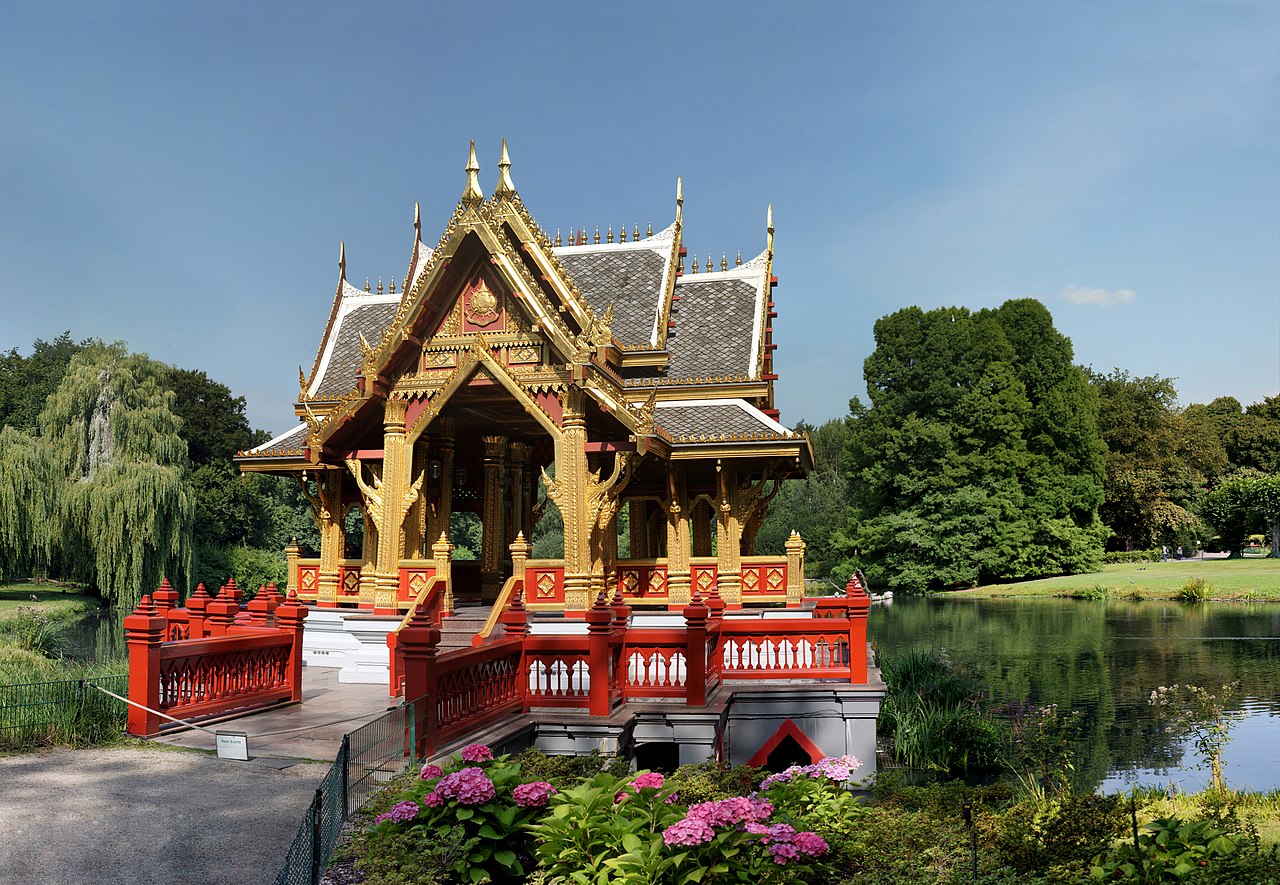


Design and exhibits
Hagenbeck's most enduring innovation was the panoramic, bar-less exhibit: animals are presented in settings that imitate natural landscapes while visitors view them across cleverly concealed trenches, water barriers or plantings. This approach aimed to reduce stress for animals and to create a more immersive experience for people. The park houses mammals, birds and other groups in thematic enclosures that emphasize visibility, scenery and behavioral enrichment rather than barred cages.
History and development
After its opening in the early 20th century, Tierpark Hagenbeck grew into a widely known zoological institution. Like many European cities it suffered severe wartime damage during the Second World War: aerial bombing destroyed major parts of the grounds and buildings. The zoo was rebuilt in the postwar period with support from the Hagenbeck family and the wider community; stories from that time recount how elephants and other large animals assisted in clearing rubble during reconstruction.
Species, breeding and conservation
The collection has numbered roughly two hundred species, including primates such as mandrills, Asian elephants and a variety of waterfowl. Hagenbeck participates in managed breeding programs for threatened species: historical and contemporary efforts have included orangutans, North Chinese leopards and large South American river otters among others. Such programs contribute to ex situ conservation, scientific study and public awareness of endangered taxa.
Visitor experience and significance
Visitors encounter a mix of mature landscaping, animal habitats and interpretive displays. The park has long served educational purposes for schools and the public, and it functions as both a tourist attraction and a center for captive care and research. Its design principles influenced later modern zoo planning that favors species-appropriate housing and visitor sightlines over traditional iron cages.
Notable facts and distinctions
Tierpark Hagenbeck is frequently cited as the first zoo to systematically employ open enclosures using moats and hidden barriers as a core design feature. Its founder, Carl Hagenbeck, also played a broader role in shaping public expectations of animal display in the early 20th century. The park's postwar restoration and ongoing breeding work add to its historical and contemporary relevance.
Further information
- General information and visitor details
- Hamburg city resources
- Germany travel and cultural context
- Historical overview of the park
- Background on the Hagenbeck family
- On exhibit design and moats
- Noted individual animals and stories
- Reconstruction after wartime damage
- Bird collections and notable waterfowl
- Primate exhibits such as mandrills
- Elephant care and breeding news
- Species lists and collection notes
- Conservation programs for orangutans
- Work with leopards and other felids
- Aquatic mammals and giant otter projects
Related articles
Author
AlegsaOnline.com Tierpark Hagenbeck Leandro Alegsa
URL: https://en.alegsaonline.com/art/99813
Sources
- audubonmagazine.org : "The New Zoo"
- denic.de : "Informationsseite - DENIC eG"