
Rubble (broken stone and quarry waste)
Rubble: irregular broken stone found in quarries, soil, and construction. Covers types, characteristics, history, uses in masonry, fill, drainage and distinctions from dressed or crushed stone.
Rubble denotes irregular, broken stone fragments that vary widely in size, shape and texture. It can refer both to natural rock fragments in soils and to unfinished or waste stone produced during quarrying. The word is used in geology, archaeology and construction to describe material that has not been dressed or shaped into regular blocks.
Image gallery
2 Images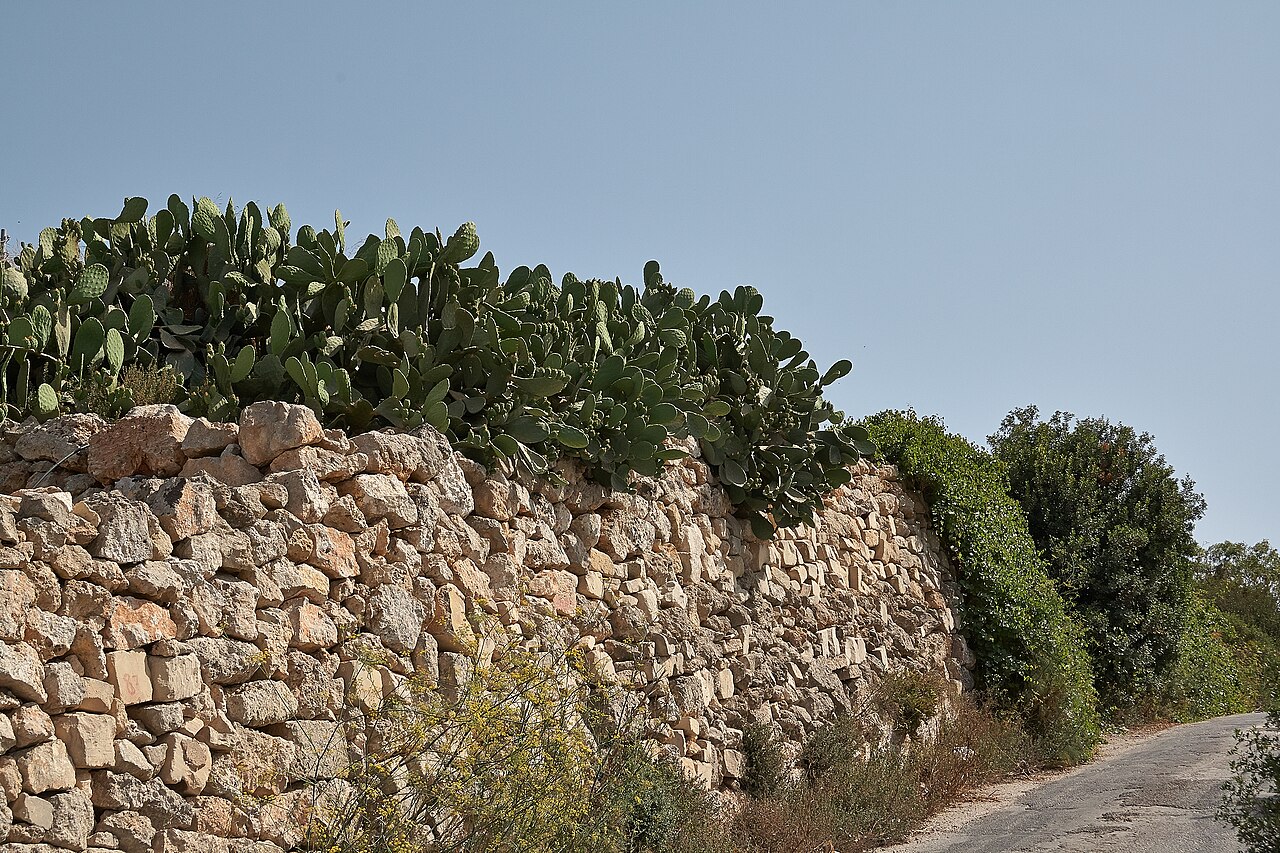

Definition and characteristics
The common trait of rubble is irregularity: edges are rough, surfaces uneven, and dimensions inconsistent. Unlike ashlar or cut masonry, rubble lacks uniform faces and is not intended to interlock precisely. Natural rubble may occur as coarse fragments in soil—sometimes called brash—and becomes apparent when land is ploughed or excavated. Unfinished stone from a quarry likewise appears as rubble before any secondary processing.
Forms, uses and practical distinctions
Rubble is used in many ways because it is inexpensive and abundant. Common applications include:
- Rubble masonry: walls built from irregular stones set in mortar or dry-stacked.
- Bulk fill and sub-base: as inexpensive fill beneath roads, railways and landscaping.
- Drainage and erosion control: coarse rubble can form drains, gabions, and riprap.
- Historic and archaeological contexts: collapsed structures and rubble deposits record construction and destruction phases.
Rubble differs from crushed stone and aggregate, which are mechanically sized and graded for engineering specifications, and from dressed stone, which is worked to shape. In many traditions, rubble masonry is valued for its rustic appearance and can be stabilized with mortar or reinforced techniques.
Historically, builders worldwide used locally sourced rubble to erect farm walls, foundations and rural buildings because it required little processing. Today, environmental recycling of demolition rubble is also common, transforming concrete and masonry waste into usable fill and aggregate for new construction.
When discussing rubble, it is helpful to consult geological or construction references for regional terminology and best practices. For a general overview of the term, see the entry on rubble.
Related articles
Author
AlegsaOnline.com Rubble (broken stone and quarry waste) Leandro Alegsa
URL: https://en.alegsaonline.com/art/84556
Sources
- civilconstructiontips.blogspot.com : "Rubble Walling and Random Rubble"
- buildingscience.com : "BSI-041: Rubble Foundations"
- encyclopedia.jrank.org : "Rubble"