
Leopard (Panthera pardus): description, behavior and conservation
A widely distributed big cat of the genus Panthera, the leopard is solitary, tree‑climbing, and an adaptable ambush predator found across Africa and Asia with variable coat patterns.
The leopard (scientific name Panthera pardus) is a member of the big cat group and one of the best-known wild felines. It belongs to the genus Panthera and is commonly described as a large feline with a spotted coat. The species has a broad native range that includes much of sub-Saharan Africa and large parts of Asia, occupying a wide variety of habitats where suitable prey and cover are available.
Image gallery
10 Images
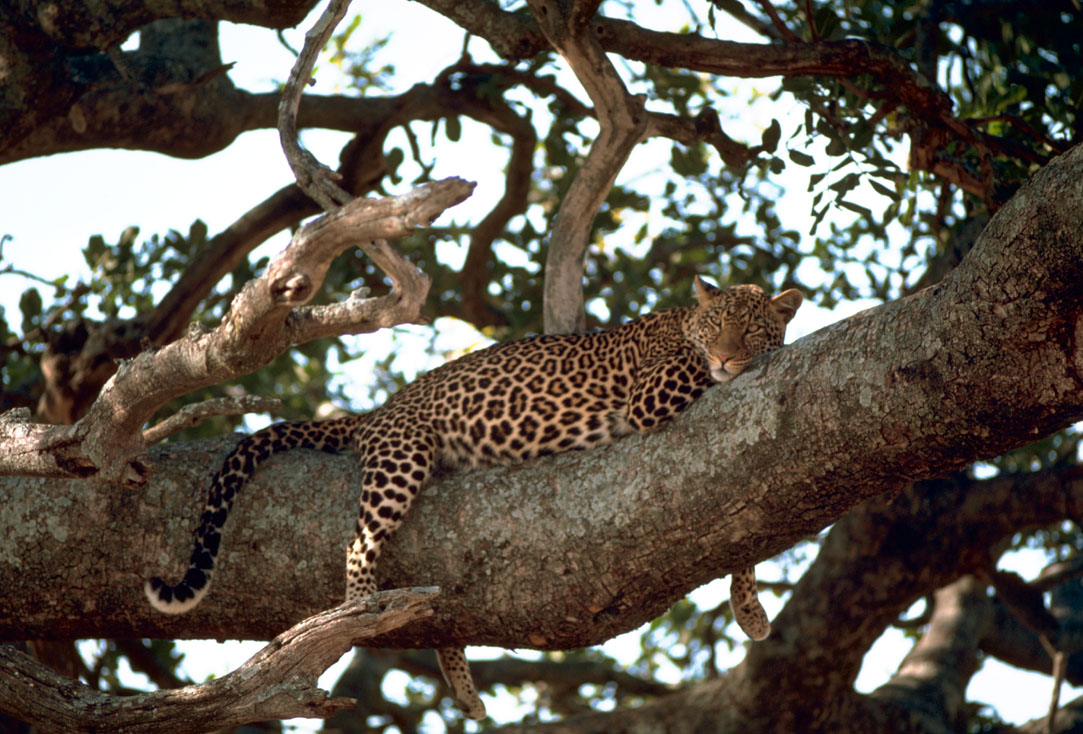


Physical characteristics and variation
Leopards show marked variation in size, coat colour and pattern across their range. The familiar yellowish coat with dark rosettes is typical, but colour morphs such as melanism (all-black individuals) occur in some populations. Rosette patterning helps with camouflage in dense vegetation and dappled light. Compared with other Panthera species, leopards are comparatively slender and highly adaptable; they are smaller than lions and tigers but strong for their size and capable of hauling prey heavier than themselves into trees.
Behaviour, diet and ecology
Leopards are primarily solitary and territorial animals. Adult males and females generally tolerate one another only during mating or when a female is raising cubs. They are opportunistic ambush predators that depend on stealth and cover to hunt a wide range of prey, from small mammals and birds to ungulates. Their skill at climbing makes trees essential both for hunting vantage points and for storing kills out of reach of scavengers.
- Hunting style: nocturnal and crepuscular ambush predator using concealment.
- Social system: solitary except for mothers with cubs.
- Arboreal behaviour: regular climbers; cache food in trees to avoid hyenas and other competitors.
Range, similar species and distinctions
Within its global range, the leopard occupies savannas, forests, mountains and even semi-arid environments where cover exists. The cat most similar in niche is the jaguar, which follows a comparable ambush strategy but is native to the Americas (Central America and South America). Jaguars tend to be stockier and their rosettes often include central spots, a reliable distinction from many leopard populations. Leopards are notable for their adaptability to fragmented landscapes and their use of trees as refuge from larger predators.
Conservation status and threats
Leopards face multiple threats across parts of their range, including habitat loss, reduction of prey species, persecution in retaliation for livestock losses, and illegal hunting for skins and body parts. Many populations have declined and the species is the subject of international conservation attention. Efforts to conserve leopards include protected areas, anti-poaching measures, community-based conflict mitigation, and scientific monitoring to better understand population trends.
Notable facts
Leopards are known for their secretive nature and ability to live close to human settlements if food and cover are available. They communicate with scent marks and vocalizations such as rasping calls and growls. Their combination of power, agility and camouflage has made them a prominent figure in folklore and art across the cultures where they occur, and a focus of wildlife tourism and conservation programs around the world. Researchers and wildlife managers continue to study their ecology to balance conservation with human activities and land-use change.
For an introduction to related big cats and broader feline ecology see resources on the genus and lifestyle: Panthera, comparable lifestyles, and further regional accounts for Africa and Asia.
Questions and answers
Q: What is a leopard?
A: A leopard is a big feline of the genus Panthera.
Q: Where do leopards live?
A: Leopards live in Africa and Asia.
Q: How do leopards differ from lions in terms of living arrangements?
A: Unlike lions, leopards do not live in groups. The adult males live separately, and the females live only with their cubs.
Q: What kind of habitat do leopards live in?
A: Leopards live in habitats where there are some trees.
Q: How do leopards use trees to their advantage?
A: They climb trees well, and can carry prey up a tree and keep it safe from hyenas and lions. Trees are its main escape from attacks by lions or packs of dogs.
Q: What is the most similar cat to the leopard in terms of lifestyle?
A: The most similar cat in its lifestyle is the jaguar, which lives in Central and South America.
Q: What kind of predator is the leopard?
A: The leopard is an ambush predator, and operates best where it has some cover.
Related articles
Author
AlegsaOnline.com Leopard (Panthera pardus): description, behavior and conservation Leandro Alegsa
URL: https://en.alegsaonline.com/art/57247
Sources
- commons.wikimedia.org : Leopard
- en.wikibooks.org : Wikijunior:Big Cats/Leopard
- bucknell.edu : "Order Carnivora"
- google.com : Mammal Species of the World
- worldcat.org : 62265494
- iucnredlist.org : "Panthera pardus"
- telegraph.co.uk : "Leopard savaging a crocodile caught on camera"
- nationalzoo.si.edu : Primates: Gorilla Facts – National Zoo| FONZ