
Swan (waterfowl)
Large waterfowl of the family Anatidae, swans are long-necked birds known for swimming, plant-based diets, territorial behaviour, and cultural symbolism across many regions.
Overview
Swans are large, long-necked water birds belonging primarily to the genus Cygnus, with a few related forms placed in genera such as Coscoroba. They are members of the family Anatidae and the subfamily Anserinae, the same larger group that includes geese and ducks. Swans are recognizable by their large bodies, long necks and relatively large wingspan compared with other waterfowl.
Image gallery
10 Images




Physical characteristics and feeding
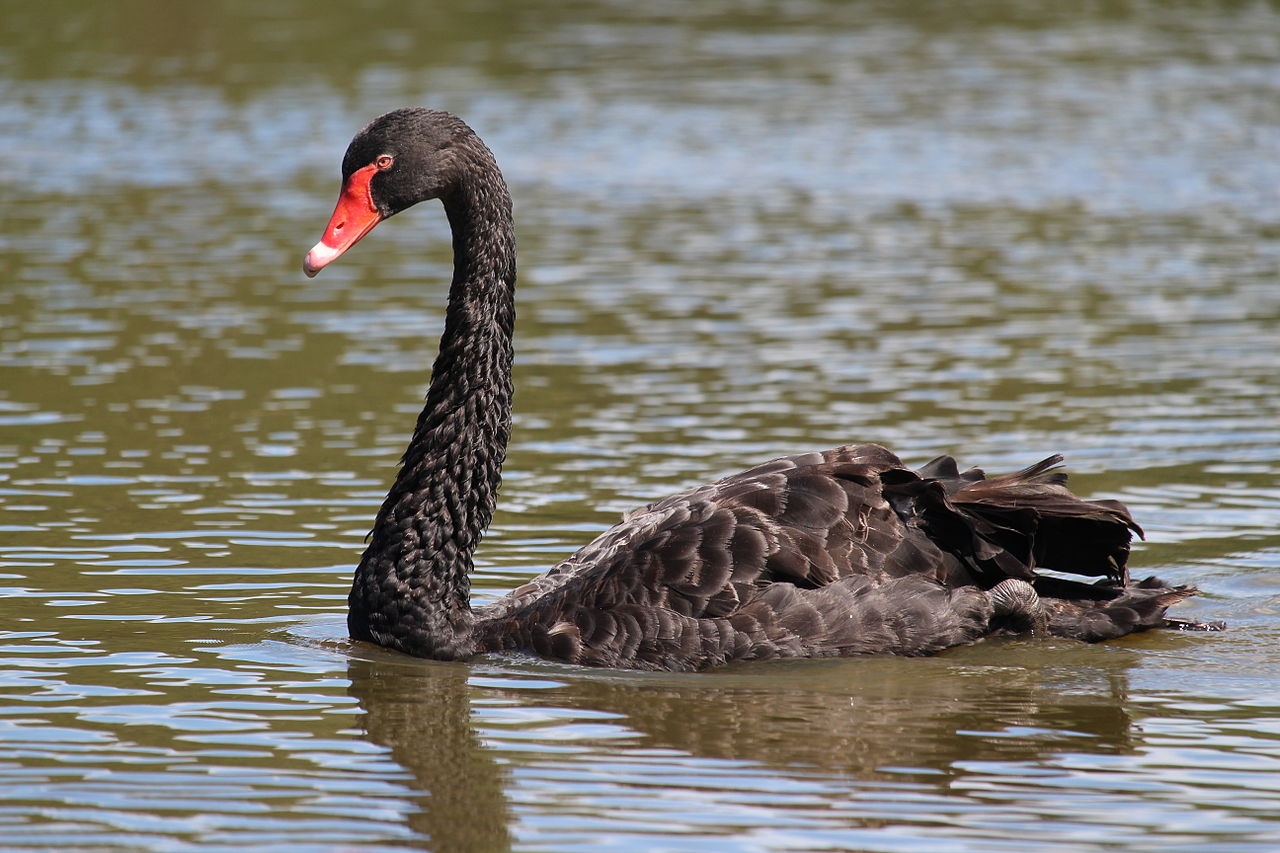
Most swans have predominantly white or black plumage, long curved necks and webbed feet adapted for propulsion in water. Their bills vary by species in shape and colour. Swans feed mainly on plant material: they reach submerged stems and leaves of aquatic plants by upending or dipping their necks to the bottom of shallow ponds, lakes and sheltered coastal waters, and occasionally forage in deeper oceans. They also take small invertebrates such as insects and other small animals opportunistically.
Taxonomy and notable species
The swan grouping includes several well-known species, each with distinct ranges and habits. Notable examples include:
- Mute Swan (commonly seen across northern Europe and introduced elsewhere)
- Whooper Swan (breeding in parts of Asia and Europe)
- Trumpeter Swan (native to North America)
- Black Swan (native to Australia and noted for its dark plumage)
Behavior, reproduction and migration
Swans often form long-term pair bonds and are noted for strong parental care: both adults defend the nest and rear precocial young called cygnets. Nests are built near water and both sexes typically participate in guarding and brood-rearing. Several swan species are migratory, flying in characteristic formations between breeding and wintering grounds; others remain resident where conditions permit.
Distribution and habitat
Swans occupy freshwater and sheltered coastal habitats across temperate and colder regions of the Northern Hemisphere and in the Southern Hemisphere for some species. They favor shallow waters with abundant aquatic vegetation and nearby grazing areas. Human changes to wetlands, shorelines and water quality have influenced their local abundance and distribution.
Human interactions and conservation
Swans have long cultural significance as symbols of grace and fidelity in art and literature. They are popular in parks and reserves, but their size and territorial instincts can make them defensive toward people and animals near nests. Conservation status varies by species: some populations have recovered after protection and habitat management, while others remain vulnerable to habitat loss, pollution and collisions. Careful management of wetlands and disturbance reduction are common conservation priorities.
Further reading
For basics about swan biology, identification and habitat management, consult regional field guides and wetland conservation resources. Additional general summaries and species accounts can be found through general ornithological references and local wildlife organizations.
Questions and answers
Q: What kind of bird is a swan?
A: A swan is a type of water bird from the genera Cygnus and Coscoroba, in the subfamily Anserinae, and the family Anatidae.
Q: Where do swans live?
A: Swans are found in colder regions such as northern Europe, Asia, and North America. They typically inhabit bodies of water like ponds, lakes, or oceans.
Q: What does a baby swan called?
A: A baby swan is referred to as a cygnet.
Q: How do swans behave around other animals?
A: Swans are known for being tough and strong birds that will not tolerate any nonsense from dogs or cats. If they feel threatened they may open their wings as a warning sign to stay away.
Q: Are swans protective of their nests?
A: Yes, swans are highly protective of their nests and will attack anything they see as a threat to their chicks including humans.
Q: What do swans eat?
A: Swans feed on plants off the bottom of bodies of water such as ponds or lakes but also consume insects and small animals.
Related articles
Author
AlegsaOnline.com Swan (waterfowl) Leandro Alegsa
URL: https://en.alegsaonline.com/art/95426