
Tilla Jogian — Hill and Historic Pilgrimage Site in Jhelum District
Tilla Jogian is the highest hill in Jhelum District, Punjab, Pakistan (975 m). A ruined temple complex atop the hill is associated with the Kanphatta jogis; Sikh tradition records Guru Nanak's visit.
Overview
Tilla Jogian is the highest hill in District Jhelum (Jhelum), located in the province of Punjab, Pakistan. The summit reaches approximately 975 metres (3,199 ft) above sea level and lies about 25 kilometres from Jhelum city. From the surrounding plains the ridge is prominent and can be seen from neighbouring districts on clear days.
Image gallery
10 Images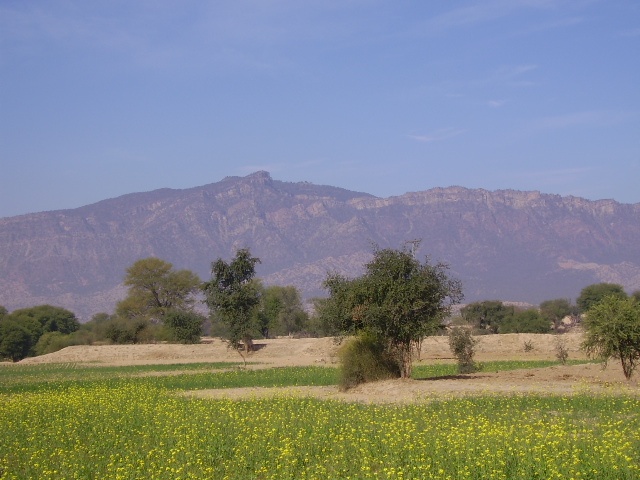




Historic background
The hill is best known for the ruins of a long-established ascetic settlement and temple complex that crown its peak. Local traditions and several historical accounts associate the site with the Kanphatta, or "split‑eared," sect of Hindu jogis. Many sources suggest the site developed centuries ago; some place its origins in the early centuries BCE or the first millennium CE, but precise dates remain uncertain and contested in scholarship. Sikh tradition also regards Tilla Jogian as a place visited by Guru Nanak, the founder of Sikhism, who is said to have spent time among the ascetics there.
Features and remains
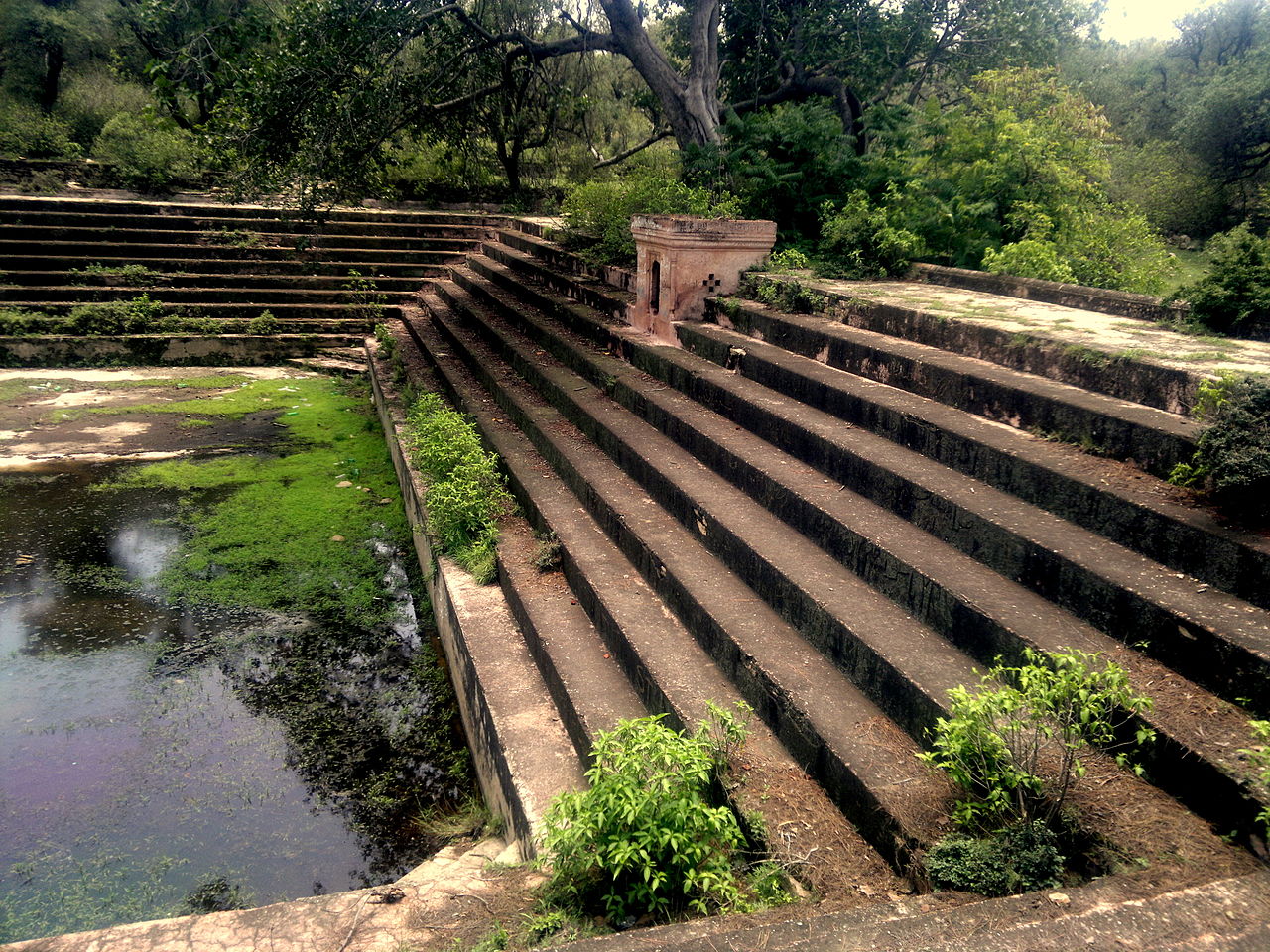
At the summit visitors encounter the remains of stone structures, steps and enclosures that indicate a once‑active monastic complex. A notable element is an old water tank that provided a perennial source for inhabitants and pilgrims. The site layout suggests a mixture of religious, residential and ritual spaces adapted to the hilltop environment.
- Ruined temple buildings and platforms.
- Water storage features and tanks.
- Stone steps, pathways and dispersed masonry foundations.
Access, landscape and ecology
Tilla Jogian lies within a semi‑hilly landscape that transitions to plains toward the south. The ascent is reachable by local tracks from nearby settlements; historically the hill was a destination for pilgrims and ascetics rather than a fortified site. Vegetation is typical of the region's scrub and dry‑forest zones, with seasonal streams and springs affecting local biodiversity.
Importance and preservation
The site has cultural, religious and archaeological significance. It illustrates long-standing practices of ascetic life in the subcontinent and forms part of regional memory for Hindus, Sikhs and local communities. Today the ruins are in varying states of decay and face challenges common to remote heritage sites: weathering, limited conservation resources and changing land use. Scholars and local custodians have called for careful documentation and protection to preserve both physical remains and the intangible traditions associated with Tilla Jogian.
Visiting and further research
Those seeking to learn more can consult regional surveys, oral histories and heritage reports for detailed descriptions and maps. Because the site's chronology and early history are not settled, ongoing archaeological and textual research continues to clarify its development and role in the religious landscape of the Punjab.
Related articles
Author
AlegsaOnline.com Tilla Jogian — Hill and Historic Pilgrimage Site in Jhelum District Leandro Alegsa
URL: https://en.alegsaonline.com/art/99873