
1907 (year)
Overview of the year 1907, covering major political events, economic crises, cultural developments, and notable births and trends shaping the early 20th century.
Overview
1907 was a common year beginning on Tuesday in the Gregorian calendar. That designation and calendar details are recorded in standard chronologies (see calendar tables and the Gregorian calendar). The year sat in the long run-up to World War I, a period marked by shifting alliances, industrial growth, social reform movements and new artistic directions.
Image gallery
10 Images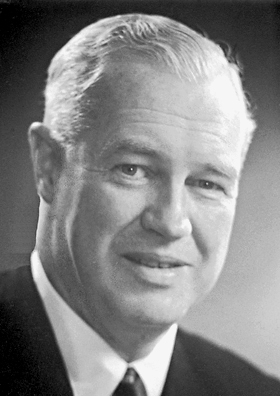


Politics and diplomacy
International relations in 1907 featured efforts to manage rivalry among imperial powers. A notable diplomatic development was an agreement that helped ease tensions between Britain and Russia, contributing to the larger alignment sometimes called the Triple Entente. The Second Hague Peace Conference, convened in this period, addressed laws of war and arbitration, reflecting continuing interest in legal frameworks for international disputes.
Economy and technology
The year saw significant economic volatility in some regions. Financial strains culminated in a well-known banking panic that highlighted vulnerabilities in markets and prompted later reforms in finance and regulation. Technological progress continued: internal combustion vehicles and electrical utilities expanded, while industrial production and urbanization kept growing across many countries.
Culture and society
Culturally, 1907 was rich with developments that pointed toward modernism. In visual arts, experimental works pushed traditional forms and perspectives. Social movements such as organized youth scouting began to take shape, with early camps and publications that led to wider, formalized organizations in following years. Literature, theatre and popular entertainment continued to reflect rapid social change.
Notable births
- Frida Kahlo, Mexican painter, whose life and work later became influential in art and feminist studies.
- John Wayne, American film actor who would become an iconic figure in 20th-century cinema.
Legacy
Historians view 1907 as a moment when modern tensions and innovations were already visible: diplomatic agreements and conferences tried to manage rivalry, economic crises exposed systemic risks, and cultural experimentation anticipated larger 20th-century movements. The year is often cited in studies of pre-war international order, early modernist culture, and the social transformations of the Progressive Era.
Related articles
Author
AlegsaOnline.com 1907 (year) Leandro Alegsa
URL: https://en.alegsaonline.com/art/111897