
The Squad (United States Congress)
Informal name for a group of progressive U.S. House members elected in 2018 and 2020, known for their youth, diversity, and high-profile advocacy within the Democratic Party.
The Squad is an informal label applied to a cluster of progressive members of the U.S. House of Representatives who were elected in the 2018 and 2020 midterm cycles. The name became a widely used shorthand for a small but visible caucus on the left of the Democratic Party that has emphasized grassroots organizing, social media engagement and aggressive advocacy for issues such as economic justice, criminal justice reform and expanded social benefits. The group receives significant public attention for both its policy priorities and the political debates it has provoked within and beyond Congress. Election background and media coverage have chronicled how these lawmakers rose to prominence.
Image gallery
10 Images


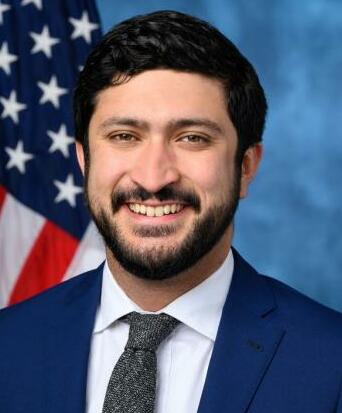


Members
- Alexandria Ocasio-Cortez — U.S. Representative from New York. Ocasio-Cortez is often viewed as the public face of the grouping.
- Jamaal Bowman — U.S. Representative from New York. Bowman joined in the 2020 wave.
- Ilhan Omar — U.S. Representative from Minnesota. Omar represents a Minneapolis-area district; see her ties to Minnesota.
- Ayanna Pressley — U.S. Representative from Massachusetts. Pressley serves a Boston-area district; more on Massachusetts.
- Cori Bush — U.S. Representative from Missouri. Bush brought a background in activism to Congress.
- Rashida Tlaib — U.S. Representative from Michigan. Tlaib represents a Detroit-area district; see Michigan coverage.
Members of the Squad are largely younger than many congressional colleagues and are people of color, which has shaped both their political priorities and the public conversations around them. Many received early support or endorsements from progressive organizations and networks such as the Justice Democrats, and they operate within the broader institutional frame of the Democratic Party. Observers frequently link their rise to the surge of progressive energy that accompanied Senator Bernie Sanders and the 2016 presidential campaign; commentators have described that movement's influence on candidate recruitment and activist networks (see 2016 campaign assessments).
Origins, public profile and controversies
The label "Squad" was embraced publicly soon after the 2018 election, when one member referenced it on social media. An early naming moment was noted in an Instagram post that used the word; that post and subsequent media attention helped solidify the brand around the group. Social platforms have been central to how its members communicate directly with supporters and shape news cycles.
Because the members have frequently challenged mainstream positions and proposed bold reforms, they have been at the center of controversies as well as support. High-profile moments included public disagreements over U.S. policy on Israel, which prompted accusations from critics that some members had made statements that were anti‑Semitic; those allegations have produced substantial public debate and denials. A widely reported confrontation occurred in July 2019 after a comment by then-President Donald Trump telling certain members to "go back" to their countries of origin; critics called the remark xenophobic while supporters framed the episode as evidence of the group's outsider role in politics.
Despite criticism, members of the Squad have continued to exert influence through committee work, public campaigns, and coalition-building with progressive organizations and local activist groups. Their visibility has reshaped some intra-party conversations about priorities, messaging and electoral strategy.
Significance and distinctions
The Squad is not a formal caucus with binding membership rules; rather, it is a media and political grouping that reflects shared policy leanings and personal alliances. Their impact has been measured less by legislative tallies than by the way they have shifted public attention to particular issues, amplified grassroots voices and tested the Democratic Party's capacity to balance diverse constituencies. Whether viewed as a driving force for change or a source of intra‑party tension, the group has become a durable part of the contemporary U.S. political landscape.
For further reading on individual members, policy positions and specific episodes of national attention, see member profiles and archival reports. Additional resources and timelines are archived in contemporary news and political analysis collections.
Related articles
Author
AlegsaOnline.com The Squad (United States Congress) Leandro Alegsa
URL: https://en.alegsaonline.com/art/98893
Sources
- cnn.com : "Here are the 4 congresswomen known as 'The Squad' targeted by Trump's racist tweets"
- reuters.com : "Expanding the 'Squad:' U.S. liberals challenge moderate Democrats to move party left"
- nytimes.com : "Tensions Between Pelosi and Progressive Democrats of 'the Squad' Burst Into Flame"
- worldcat.org : 0362-4331
- nytimes.com : "Trump Defiant as Lawmakers Blast His 'Racist' Attacks on Four Congresswomen"
- nytimes.com : "After Trump Accuses Four Democratic Congresswomen of Hating U.S., They Fire Back"
- nytimes.com : "A Look at the 'Squad' That Trump Targeted in Racist Tweets"
- thehill.com : "Ocasio-Cortez shares photo of new 'squad' on Capitol Hill"