
Third Estate (Ancien Régime social class)
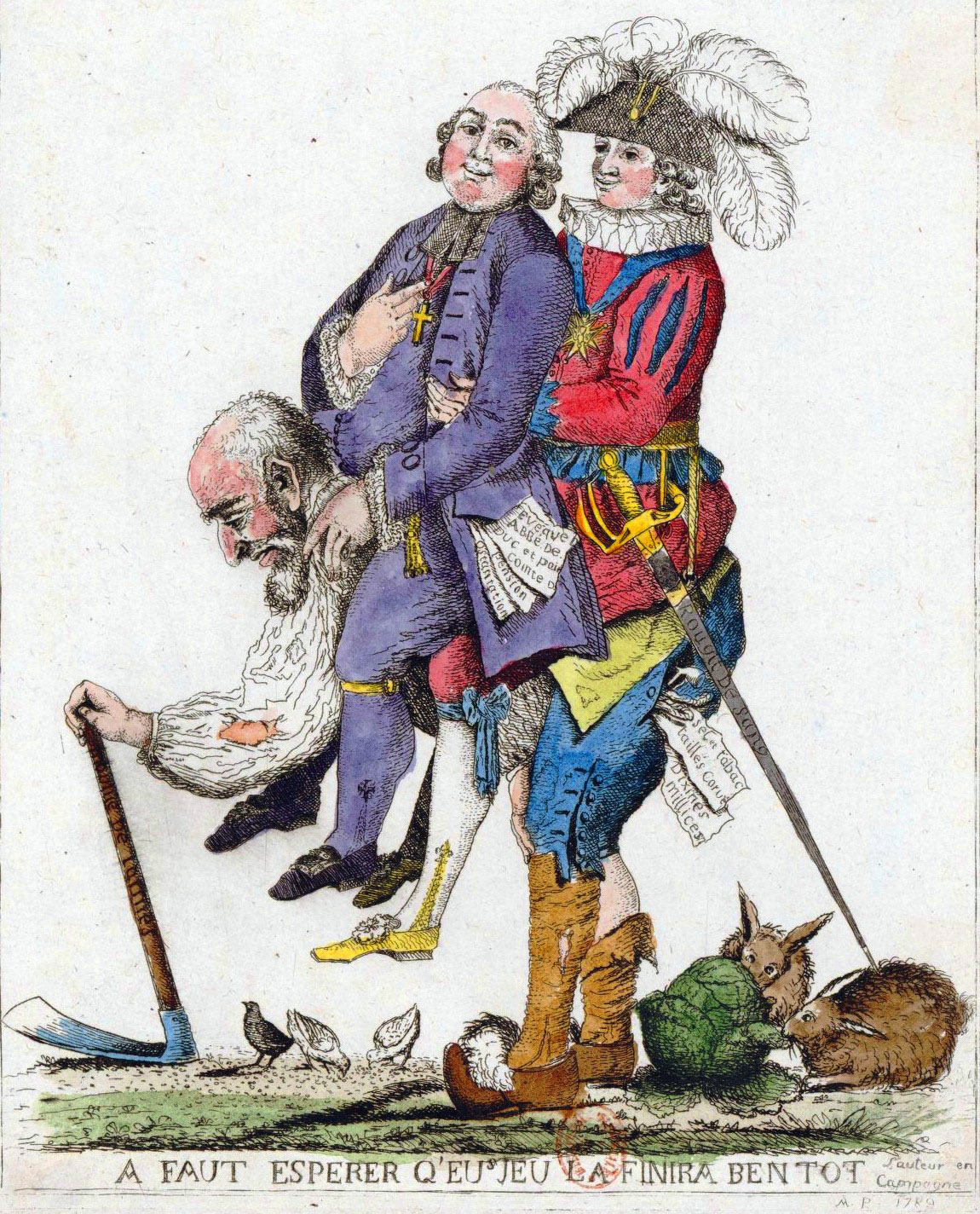
The Third Estate was the broad body of commoners under the Ancien Régime whose economic burdens, social diversity, and political exclusion—especially in late‑18th‑century France—helped precipitate the French Revolution.
Overview
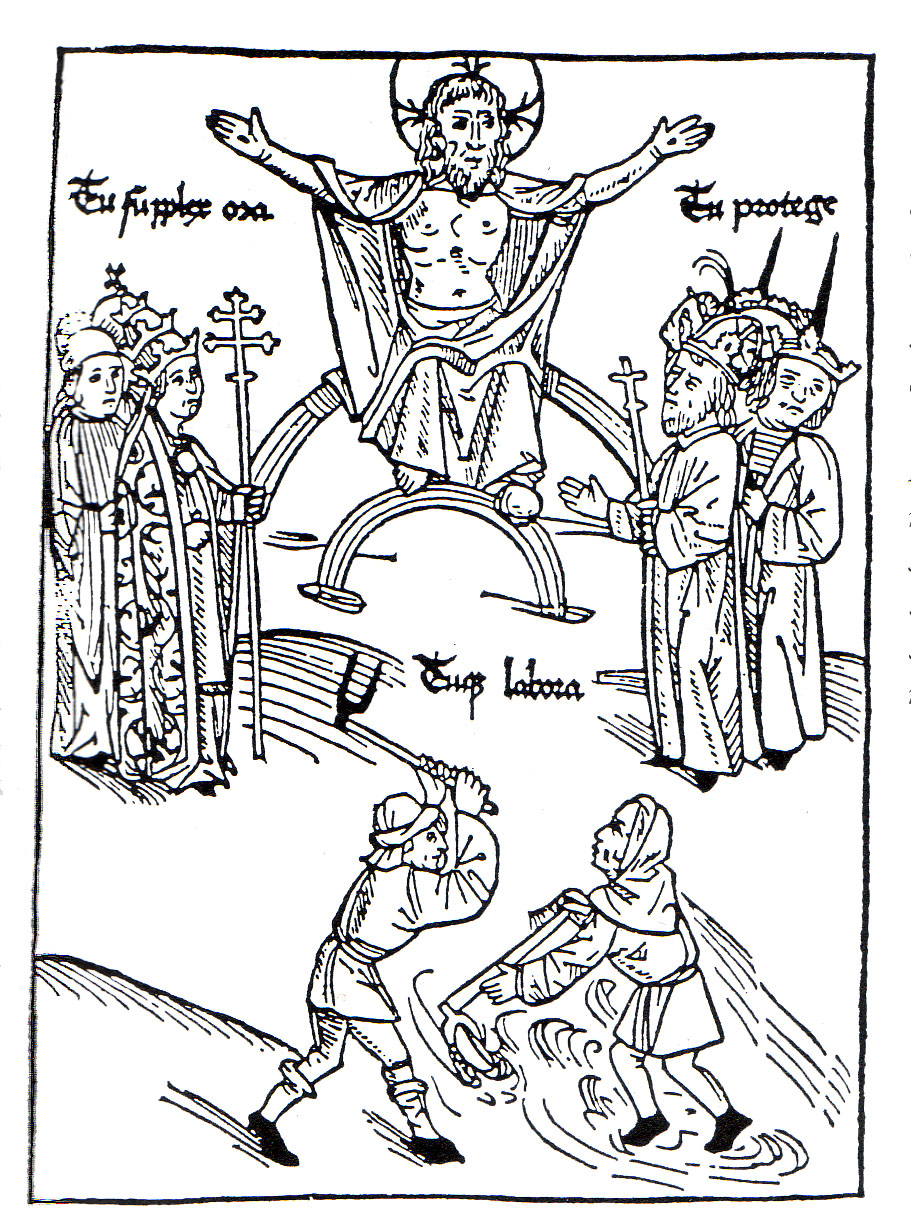
The term "Third Estate" (French: tiers état) designated the mass of commoners in societies organized by the medieval and early modern estates system, in contrast to the privileged clergy (First Estate) and nobility (Second Estate). While estate structures varied across Europe, the concept acquired particular political salience in late‑18th‑century France, where the grievances of the Third Estate contributed directly to revolutionary change.
Image gallery
7 Images



Composition and social character
The Third Estate encompassed a wide range of social positions and occupations rather than a single, homogeneous class. It included:
- Rural peasants and tenant farmers who worked the land and commonly faced rents, customary dues, and obligations such as corvée labor.
- Urban artisans, apprentices, journeymen, and small shopkeepers whose economic circumstances could be fragile.
- The bourgeoisie: merchants, lawyers, officials, and professionals who could be prosperous yet lacked the legal privileges of nobility.
- Domestic servants, seasonal laborers and the urban poor, who often had limited security or political voice.
Members of the Third Estate therefore ranged from relatively affluent bourgeois to landless laborers; what united them in political terms was the absence of hereditary legal privileges and the burden of fiscal and customary obligations.
Legal status and fiscal burdens
Under the Ancien Régime many legal and fiscal arrangements favored the clergy and nobility: exemptions from certain taxes, special jurisdictions, and social prestige. By contrast, commoners bore a disproportionate share of direct and indirect taxes, payments to landlords, and ecclesiastical dues such as tithes. Food price volatility and poor harvests periodically intensified these pressures, producing recurring popular hardship and political discontent.
Political representation and contention
Political life in states using the estates model was organized around assemblies in which each estate typically deliberated separately and often cast one collective vote. This practice could allow the two privileged estates to outvote the Third Estate on critical questions, even though the Third Estate represented the vast majority of the population. Calls for voting by head (per delegate) rather than by order were therefore a central political demand of many Third Estate representatives in the late 1780s.
1789: Estates‑General and the Tennis Court Oath
Faced with fiscal crisis, the king of France summoned the Estates‑General in 1789. Delegates of the Third Estate pushed for procedural reforms and broader political change; when talks stalled they declared themselves the National Assembly claiming to represent the nation. After being locked out of their meeting place, many delegates took the Tennis Court Oath, swearing not to separate until they had written a constitution. This assertion of political authority helped to set in motion the revolutionary events of that year.
Role in the Revolution and immediate outcomes
The mobilization of the Third Estate contributed to a rapid sequence of developments in 1789–1790: popular riots, the storming of the Bastille, the abolition of many feudal dues and privileges, and the redefinition of sovereignty and rights. These changes culminated in the overthrow of the traditional monarchical order, the trial of King Louis XVI, and his execution in 1793, events that transformed French society and influenced political movements across Europe.
Regional variations and long‑term legacy
While the estates framework existed in various forms throughout Europe, its composition and political effects differed by region and period. In some places guilds, towns or representative institutions moderated estate divisions; in others they hardened social boundaries. The challenge posed by the Third Estate in France had lasting effects: it helped displace legal privilege as the basis of status, encouraged ideas of equality before the law, and fed debates about citizenship, representation, and the rights of individuals and communities in modern states.
Further reading and context
For background on medieval and early modern social orders, see general surveys of the Middle Ages. For focused studies of the political crises of the late ancien régime and the events of 1789, consult works on the 18th century and on the French Revolution.
Questions and answers
Q: How many classes (estates) were there in the Middle Ages of Europe?
A: There were three classes (estates) in the Middle Ages of Europe - the first estate, the second estate, and the third estate.
Q: What was the situation of the first and second estates in France in the 18th century?
A: The first and second estates in France in the 18th century paid low taxes and enjoyed facilities provided to them.
Q: How much tax did the third estate pay in France in the 18th century?
A: The third estate in France in the 18th century paid 60% taxes.
Q: What was the main occupation of the third estate in France in the 18th century?
A: The third estate in France in the 18th century mainly comprised peasants or farmers.
Q: What did the king ask the three estates to do when the money in treasury was spent?
A: The king asked the three estates to pay more taxes when the money in treasury was spent.
Q: What was the response of the first and second estates to the king's request for more taxes?
A: The first and second estates walked out and did not accept the king's request for more taxes.
Q: What was the outcome of the third estate's protest against the king?
A: The third estate's protest against the king led to their imprisonment, following which the rest of the third estate bailed them out. This act of bravery eventually led to the execution of the last ruler of the Bourbon Dynasty and the end of monarchy.
Related articles
Author
AlegsaOnline.com Third Estate (Ancien Régime social class) Leandro Alegsa
URL: https://en.alegsaonline.com/art/99396