
Left-wing politics
Political orientation favoring social equality, redistribution, and collective solutions; covers movements from social democracy to socialism with varied policies by context.
Overview
Left-wing politics describes political positions and movements that emphasize social equality, economic fairness, and collective approaches to public problems. In general discourse the term sits on one side of the political spectrum, opposed to right-wing positions that prioritize tradition, hierarchy, or market freedom. What counts as "left" can change between countries and eras: policies viewed as mainstream left in one place may be considered radical in another.
Image gallery
4 Images

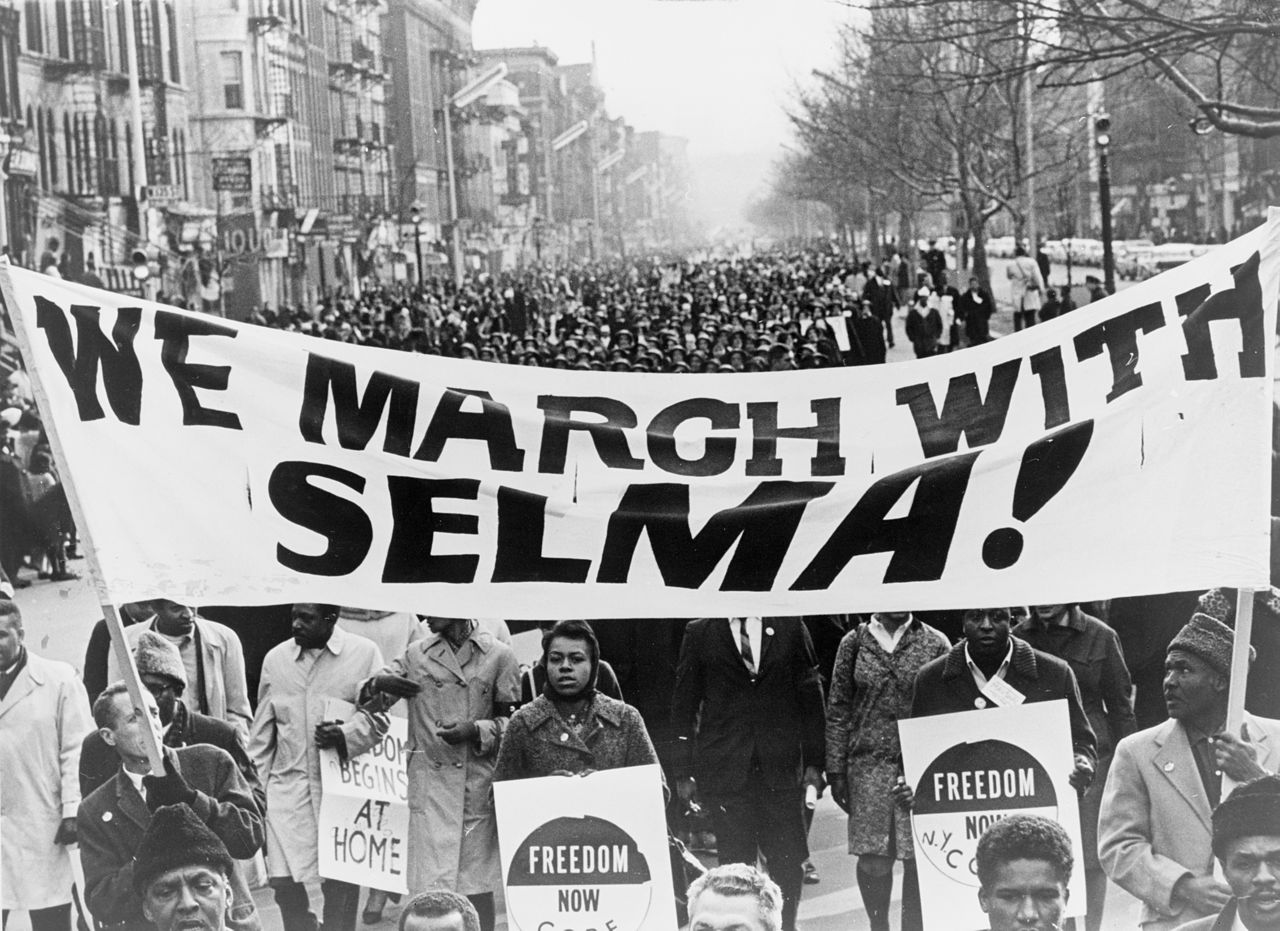

Core principles and typical policies
Common themes on the left include reducing income and wealth inequality, expanding public services, protecting workers' rights, and promoting inclusive civil rights. Left-leaning programs often favor progressive taxation, universal or wide-reaching welfare systems, public healthcare and education, and regulation of private enterprise to limit social harms.
- Economic aims: redistribution, social safety nets, stronger labor protections.
- Social aims: anti-discrimination, secular governance, expanded civil liberties.
- Institutional aims: democratization of economic decision-making, support for trade unions and cooperative enterprises.
History and development
Left-wing ideas emerged in modern form with the political upheavals of the late 18th and 19th centuries, where demands for popular representation and economic reform grew alongside industrialization. Movements such as socialism and labor organizing developed responses to factory conditions and economic inequality. Over the 20th century left politics diversified into parliamentary social democracy, revolutionary socialism, and later the New Left, which broadened focus to issues like civil rights and environmentalism.
Variants and examples
Left-wing politics ranges from moderate center-left parties that work within capitalist democracies to radical currents that call for fundamental economic change. Common labels include social democracy, democratic socialism, and sometimes communism for more revolutionary approaches. In practice, many contemporary left parties combine market economies with strong public sectors.
Debates, distinctions and criticisms
Internal debates on the left concern how far to rely on state action versus grassroots movements, and how to balance equality with individual liberty. Critics of left policies argue they can undermine incentives or economic efficiency; defenders respond that public investment and redistribution promote social stability and broaden opportunity. The adjective left-wing therefore covers a wide range of ideas and strategies rather than a single doctrine.
For general reference on political labels and the idea of equality, see political spectrum and discussions of egalitarianism.
Related articles
Author
AlegsaOnline.com Left-wing politics Leandro Alegsa
URL: https://en.alegsaonline.com/art/56959
Sources
- socialistreview.org.uk : Marxism on Terrorism
- marxists.org : Terrorism and Communism
- palgrave.com : Leftism in India