
United States House of Representatives
The lower chamber of the U.S. Congress, composed of representatives apportioned by population. Describes structure, powers, elections, leadership, and key constitutional roles.
Overview
The United States House of Representatives is one of the two chambers of the national legislature known collectively as the Congress of the United States. It is the lower body in a bicameral system that also includes the Senate. The House originates, debates, and passes legislation that affects the federal government and the nation as a whole. Informally it is often called the House.
Image gallery
4 Images


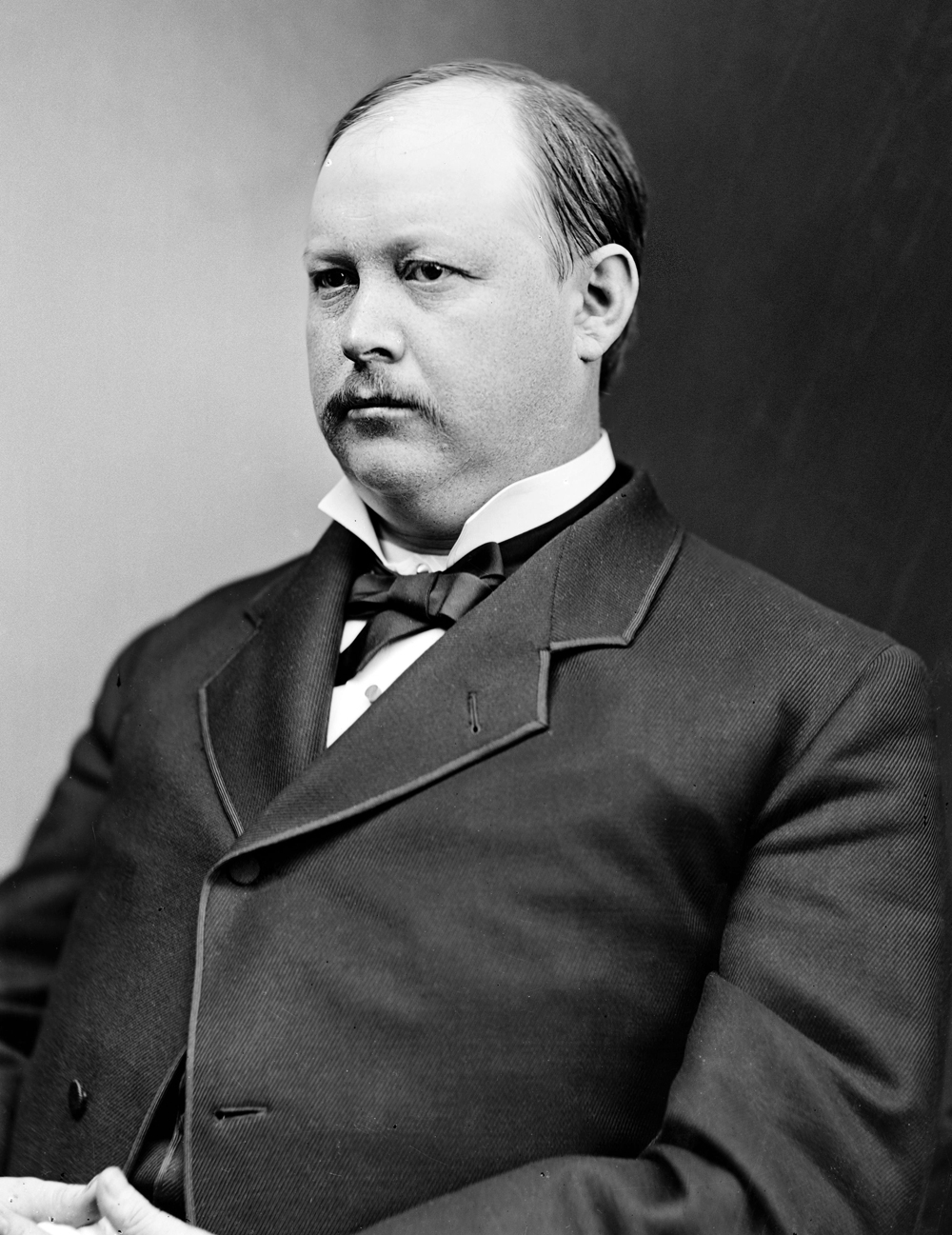
Composition and membership
The House is made up of members usually known as U.S. Representatives. The number of seats is fixed by statute at 435 for the states, plus non-voting delegates from territories and the District of Columbia. Each state's delegation is determined by its population as measured by the decennial Census Bureau count of the national population. Every state is guaranteed at least one representative.
- Term length: Representatives serve two-year terms, with all seats up for election every two years.
- Eligibility: Constitutional minimums include age and residency requirements set in the Constitution.
- Location: The House meets in one wing of the U.S. Capitol in Washington, D.C.
Key powers and functions
The House has several constitutional and practical responsibilities that distinguish it from the Senate. Notable powers include:
- Initiating revenue-related legislation: All bills for raising revenue, including proposals for taxes, must originate in the House under the rules derived from the Constitution. Such proposals are examined, amended, and voted on in committee and on the floor.
- Impeachment authority: The House holds the sole power to impeach civil officers—formally bringing charges—while removal after conviction is decided by the Senate. Impeachment has been used in cases involving the president, federal officials, and federal judges.
- Legislative agenda: The House proposes and passes bills that, when approved by both chambers, become federal law subject to executive action.
Elections, apportionment, and districts
House seats are divided into single-member districts within each state. Following each decennial census, apportionment reallocates the 435 seats among the states according to population shifts. States then draw district boundaries—an often politically charged process called redistricting—that determines the electorate for each seat.
Leadership, procedure, and organization
The House is governed by rules adopted by its membership and by a leadership structure that includes the Speaker of the House, majority and minority leaders, and committee chairs. The Speaker presides over sessions, controls committee assignments and legislative priorities, and represents the chamber in official capacities; see a general profile at Speaker profile. Committees and subcommittees do much of the detailed review of proposed legislation and oversight of executive agencies.
Historical notes and notable distinctions
Since the founding of the Republic, the House has been designed to reflect popular will through frequent elections and district-based representation. It contrasts with the Senate, which represents states equally and has longer terms. The House's size, two-year terms, and concentrated district elections create particular dynamics—such as a stronger link between members and local constituencies and a faster legislative tempo. For information about its constitutional role as a national legislature and about past and current activities, consult institutional resources and archives (impeachment records, procedural manuals and historic journals) available through official channels and reference collections (Capitol resources).
For further authoritative descriptions and reference materials, see congressional guides and civic education resources maintained by government and academic institutions: legislative glossaries, procedural handbooks, and census data portals (Census, Congress, and other official repositories).
Questions and answers
Q: What is the United States House of Representatives?
A: The United States House of Representatives is a part of the United States Congress, which is the legislature of the U.S. government and makes federal laws.
Q: How many members are in the U.S. House of Representatives?
A: There are maximum 435 members in the United States House of Representatives. These members are called U.S. Representatives or just representatives.
Q: How does population affect representation in the House?
A: The number of representatives from each state depends on the number of people in that state, also known as its population, but there is at least one representative from each state regardless of population size. Every 10 years, the US Census Bureau counts the population and states gain or lose representatives based on this count.
Q: Where is the House located?
A: The House of Representatives is located in one wing of the US Capitol building; while another wing houses Senate proceedings. It's sometimes informally referred to as "the house".
Q: Who holds leadership positions within it?
A: The chairman/chairperson in the U.S. House of Representatives is called Speaker Of The House; currently Nancy Pelosi holds this position .
Q: What powers does it have according to US Constitution?
A: According to US Constitution, all bills about raising revenue (including taxes) must start in house and it has sole power to impeach certain officials such as president or federal judges; additionally, it can expel one its own member by two-thirds majority vote .
Related articles
Author
AlegsaOnline.com United States House of Representatives Leandro Alegsa
URL: https://en.alegsaonline.com/art/103064