
Bernie Sanders: U.S. senator, progressive leader, and two-time presidential contender
Profile of Bernie Sanders: biography, political career, ideology, major campaigns, policy priorities, organizations he founded, and his influence on American politics.
Bernard "Bernie" Sanders (born September 8, 1941) is an American politician and long-serving U.S. senator from Vermont who has played a prominent role in shaping contemporary progressive politics. Elected to the Senate in 2006 after a long career in local and national office, Sanders is an independent who caucuses with the Democratic Party. He is widely known for popularizing proposals to reduce income inequality, expand social welfare programs, and challenge the political influence of large corporations and super PACs.
Image gallery
10 Images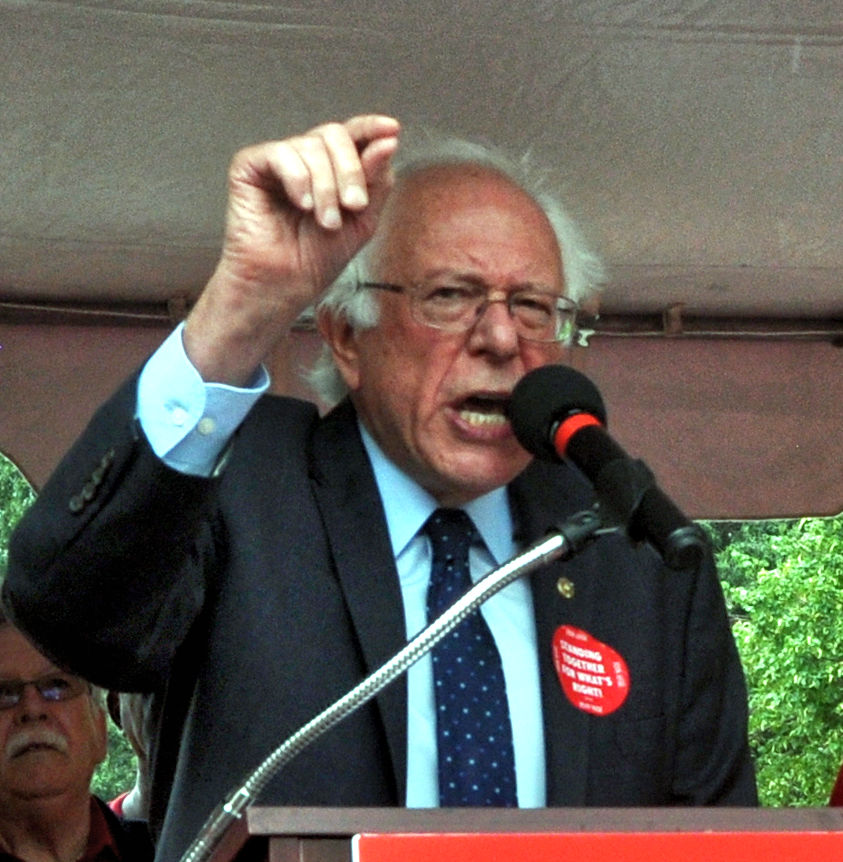


Early life and activism
Sanders was born and raised in the New York City borough of Brooklyn and attended the University of Chicago, where he became active in the civil rights movement. As a young organizer he participated in campus protests and national demonstrations, including the March on Washington in 1963, which shaped his views on racial justice and economic fairness. His early experiences organizing rent strikes and student demonstrations informed a political style that emphasizes grassroots mobilization and coalition-building.
Political career and offices
Sanders began elected office as mayor of Burlington, Vermont, winning that post in 1981 and serving multiple terms. He was elected to the U.S. House of Representatives in 1990, representing Vermont’s at-large district for 16 years, and then to the U.S. Senate in 2006. In the Senate he has served on committees such as the Budget Committee and has repeatedly won re-election by comfortable margins, becoming one of Vermont’s most recognizable national figures. Though an Independent by formal party affiliation, Sanders aligns with many Democrats on votes and caucuses with the Democratic conference.
Policy positions and priorities
Sanders identifies as a democratic socialist and advocates a platform more closely aligned with social democratic policies found in several European countries. Central themes of his agenda include a single-payer or universal health care system, tuition-free public higher education, a higher minimum wage, strong labor protections, bold action on climate change, and progressive tax reforms to reduce wealth and income inequality. He has also been a vocal proponent of expanded parental leave, criminal justice reform, protections for LGBTQ people, and measures to limit government surveillance. Sanders frames many proposals around the concept of building a more inclusive economy and strengthening democratic institutions.
Presidential campaigns and national influence
Sanders ran for the Democratic presidential nomination in 2016 and again in 2020. Both campaigns attracted substantial grassroots support and large numbers of small-dollar donations, pushing issues such as Medicare for All and tuition-free college into national debate. In 2016 he won a sizable portion of pledged delegates and many states’ contests, and in 2020 he emerged as an early front-runner before the field narrowed. After each campaign he endorsed the eventual Democratic nominee and has focused part of his post-campaign activity on organizing and supporting like-minded candidates and causes at the local, state, and national levels.
Organizations, media, and legacy
Following his 2016 campaign, Sanders helped launch organizations intended to translate campaign energy into sustained political change, including groups dedicated to recruiting progressive candidates and promoting issue-based advocacy. He has used media platforms, including webcasts and public events, to communicate policy ideas and keep attention on long-term goals. Observers credit Sanders with reshaping the Democratic Party’s policy conversation, moving debates on health care, income inequality, and campaign finance reform to the center of national attention. His blend of long-standing activist roots, electoral success as an Independent, and ability to mobilize volunteers and donors have made him a defining figure in 21st-century American progressive politics.
Key policy highlights and elections
- Major themes: economic inequality, universal health coverage, free public education, climate action, labor rights.
- Electoral milestones: mayor of Burlington; U.S. Representative (1991–2007); U.S. Senator (2007–present).
- Presidential bids: Democratic primary campaigns in 2016 and 2020 that influenced party platforms and mobilized new voters.
For further reference and source connections, the following anchors point to contextual materials and documents associated with different aspects of Sanders’s life and career:
- Profile overview
- Senate role and duties
- Vermont background
- Independent affiliation
- 2016 presidential campaign
- 2016 campaign announcement
- 2020 presidential campaign
- Brooklyn origins
- New York City ties
- University of Chicago years
- Civil rights organizing
- March on Washington participation
- Historical context of 1963 speech
- Mayor of Burlington
- Burlington history
- House of Representatives service
- At-large congressional district
- Democratic socialist identification
- Social democracy vs. democratic socialism
- Positions on income inequality
- Healthcare proposals
- Parental leave policy
- LGBT rights advocacy
- Racial justice stance
- Views on surveillance and privacy
- Senate Budget Committee membership
- Democratic nomination process
- Capitol announcement location
- 2016 primary results context
- Democratic National Committee
- 2016 Democratic National Convention
- Our Revolution organization
- Sanders Institute plans
- Media and webcasts
- 2020 nomination context
- 2020 general election setting
- Front-runner status
- Joe Biden and primary dynamics
- Super Tuesday impact
- 2020 campaign suspension and endorsement
Questions and answers
Q: When was Bernie Sanders born?
A: Bernie Sanders was born on September 8, 1941.
Q: What university did he attend?
A: Bernie Sanders attended the University of Chicago and graduated in 1964.
Q: What event did he take part in while a student?
A: While a student, Bernie Sanders took part in organizing protests for civil rights and also participated in the March on Washington for Jobs and Freedom where Martin Luther King Jr gave his "I Have a Dream" speech.
Q: How long was he a congressman for?
A: Bernie Sanders was a congressman for 16 years.
Q: When did he become senator?
A: Bernie Sanders became senator on January 3, 2007 after winning 64.5% of the vote.
Q: What is his political ideology?
A: Bernie Sanders calls himself a democratic socialist and believes that social democracy is good for the United States.
Q: What organization did he start after his 2016 presidential campaign ended?
A: After his 2016 presidential campaign ended, Bernie Sanders started an organization called Our Revolution which aims to recruit and support candidates for local, state, and national office.
Related articles
Author
AlegsaOnline.com Bernie Sanders: U.S. senator, progressive leader, and two-time presidential contender Leandro Alegsa
URL: https://en.alegsaonline.com/art/115066
Sources
- blogs.wsj.com : "Bernie Sanders to Return to Senate as an Independent"
- classic.fec.gov : "Current Candidate Information"
- bostonglobe.com : "Bernie Sanders files for Democratic ballot in N.H. primary"
- washingtonpost.com : "Sanders takes on 'billionaire class' in launching 2016 bid against Clinton"
- cnbc.com : "Bernie Sanders drops out of the presidential race"
- washingtonpost.com : "Why Bernie Sanders is going to Alabama two weeks before the Iowa caucuses"
- cnn.com : "Bernie Sanders: Fast Facts"
- theguardian.com : "Bernie Sanders confirms presidential run and damns America's inequities"
- politico.com : "Where's the outrage over AIG bonuses?"
- huffingtonpost.com : "What Can We Learn From Denmark?"
- mediaite.com : "Bernie Sanders: America Should Look More Like Scandinavia"
- nytimes.com : "Bernie Sanders Announces He Is Running for President"
- thehill.com : ""Senate Democrats lock in key committee memberships.""
- huffingtonpost.com : "Bernie Sanders' Socialism Is as American as Apple Pie"