
Tories: origins, ideology and evolution into the Conservative tradition
Tories were one of Britain’s main political groupings from the late 17th to the early 19th century, identified with monarchy, the Church of England and landed interests; they evolved into the modern Conservative Party.
The Tories were a principal political grouping in Britain from the late 17th century through the early 19th century. They developed as one of two broad parties in English and later British politics, standing in contrast to the Whigs. Over time the label 'Tory' described a set of attitudes toward monarchy, religion and social order rather than a rigid modern party machine; elements of Tory thought were folded into the later Conservative movement.
Image gallery
6 Images
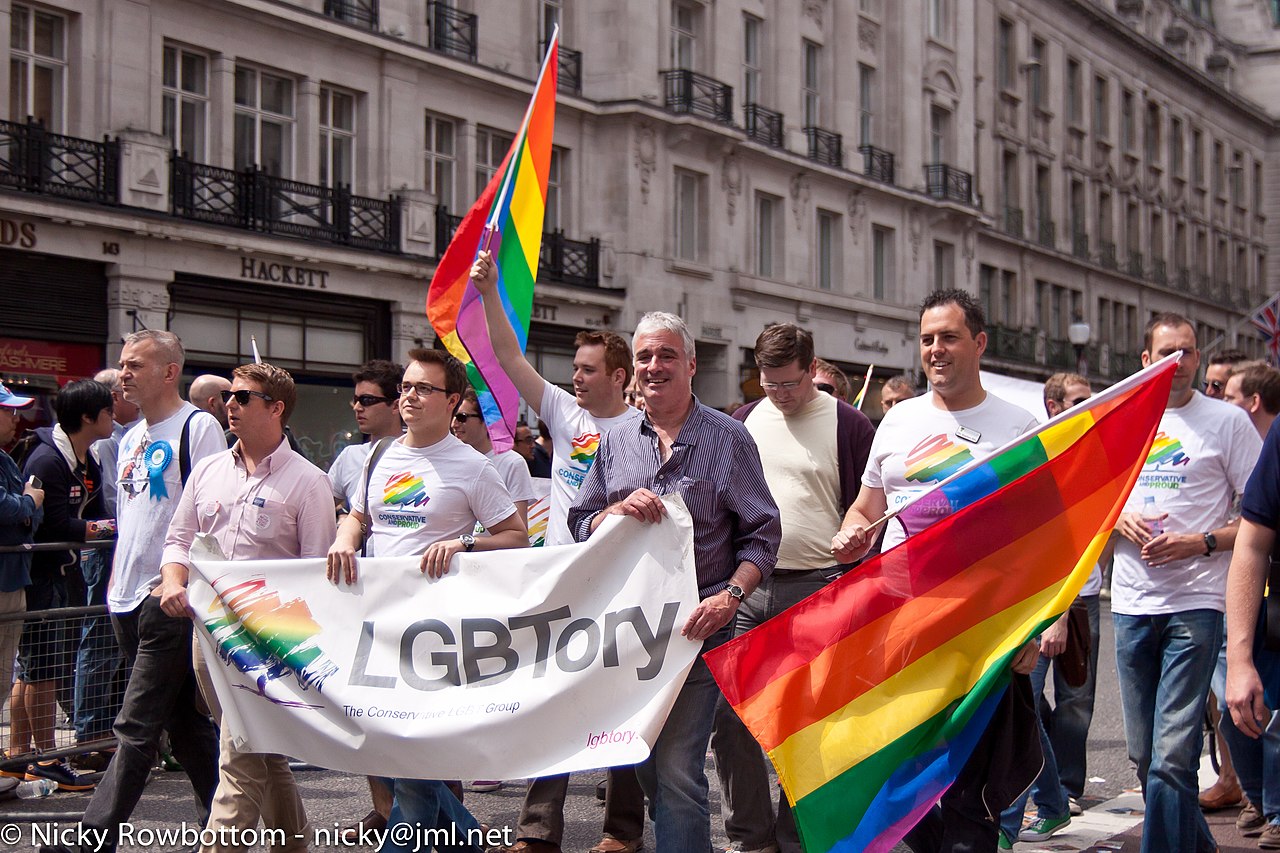


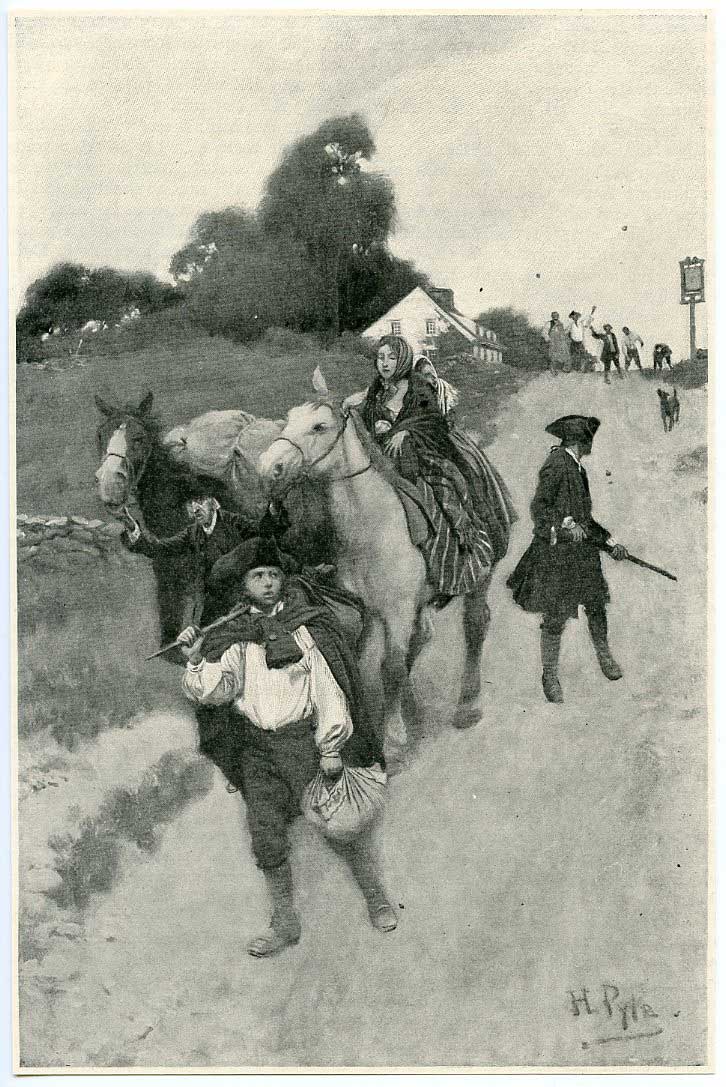
Origins and name
The name 'Tory' emerged during the tumultuous politics of the 1670s and 1680s, a period that included the Exclusion Crisis and disputes over succession. Early Tories tended to support the hereditary rights of the crown and defended the established Church of England. They were prominent in the Parliament of England, the legislature of the kingdom of England, and continued as a recognizable faction after the union of England and Scotland. The party’s fortunes and labels changed following the Acts of Union 1707, when Tories served within the new Parliament of Great Britain, and later in the Parliament of the United Kingdom.
Core beliefs and social base
Tory positions were not static, but several consistent themes recur: support for a strong monarchy balanced by traditional institutions; defense of the established church against dissenting sects; preference for gradual change over radical reform; and alignment with landed gentry, rural interests and local patronage networks. As Britain industrialized, some Tories also courted urban and commercial interests, creating tensions between older landed priorities and new economic forces.
Political development and key moments
The Tories were implicated in several major episodes of British history: they opposed many Whig measures to expand parliamentary power in the late 17th century, they were sometimes distrusted as sympathetic to the Stuart claimants after the Glorious Revolution, and they often contested the Whig dominance of the 18th century. In the late 18th and early 19th centuries Tory leaders adapted to the challenges of the French Revolution, industrial change and calls for parliamentary reform.
- Important shifts came with the administrations of figures such as William Pitt the Younger, who led Britain during the French Revolutionary and Napoleonic wars and is often associated with Tory governments.
- In the early 19th century politicians like Robert Peel implemented administrative and fiscal reforms and tried to reconcile traditional Toryism with modern governance, while also engaging with new industrial interests.
- By mid‑19th century leaders such as Benjamin Disraeli helped to shape the party’s recovery and identity, paving the way for what became the modern Conservative Party.
Legacy and distinctions
The historical Tories are best understood as a continuum of political culture rather than a single fixed platform. Distinct from the Whigs, they emphasized order, hierarchy and institutional continuity. Their evolution illustrates how 18th‑ and 19th‑century British politics accommodated industrialisation, electoral reform and changes in social power. Elements of Tory thought — skepticism toward rapid reform, support for national institutions, and defence of traditional social hierarchies — remain touchstones in discussions of British conservatism.
For readers wanting a concise comparison: the Tories typically prioritized monarchy and church, the Whigs favored parliamentary supremacy and broader civil liberties; over the 19th century both traditions transformed and rebranded into the parties and debates recognizable in modern British politics.
Questions and answers
Q: When did the Tories exist in Britain?
A: The Tories existed in Britain from the 17th to the early 19th centuries.
Q: Who were the opponents of the Tories?
A: The opponents of the Tories were the Whigs.
Q: What was the Parliament of England?
A: The Parliament of England was the legislature of the kingdom of England.
Q: When did the Tories become part of the United Kingdom's Parliament of Great Britain?
A: After the Acts of Union 1707, the Tories became part of the United Kingdom's Parliament of Great Britain.
Q: Who were the original supporters of the Tories?
A: The original supporters of the Tories were the Catholic kings, such as Charles I and II, and James I and II.
Q: Who were the leaders of the New Tory Party?
A: The most famous leaders of the New Tory Party were William Pitt the Younger and Robert Peel the industrialist.
Q: Who built the modern Conservative Party out of the remains of the New Tory Party?
A: Benjamin Disraeli built the modern Conservative Party out of the remains of the New Tory Party.
Related articles
Author
AlegsaOnline.com Tories: origins, ideology and evolution into the Conservative tradition Leandro Alegsa
URL: https://en.alegsaonline.com/art/100689