
The Shadow: Origins, Character, and Cultural Influence
The Shadow is a pioneering pulp and radio crime-fighter first heard in 1930; this article summarizes its origins, characteristics, major media, and lasting influence on twentieth-century popular fiction.
Overview
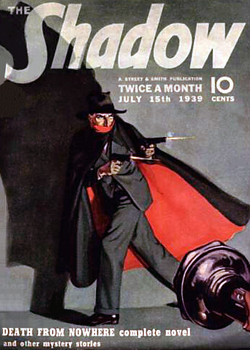
The Shadow began as a mysterious narrator and evolved into one of the twentieth century's best-known crime-fighting figures. First heard introducing stories on a radio anthology in 1930, the character soon starred in a dedicated pulp magazine and later moved into radio drama, comics, film and other formats. The figure is commonly described as a solitary, often wealthy man who combats criminals while operating outside official law-enforcement channels. Early and influential accounts emphasized atmosphere and detective craft as much as physical action.
Image gallery
7 Images



Core characteristics
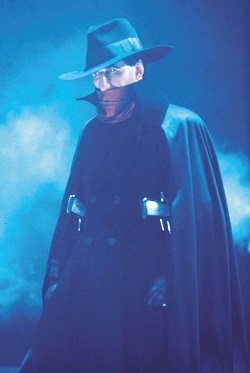
Across versions The Shadow is usually presented with a consistent set of traits: a secret identity that lets him move in high society while concealing his nighttime activities, a talent or ability that allows him to elude detection, and an obsessive focus on bringing criminals to justice. In many adaptations the ability is phrased as a psychic or hypnotic power that can "cloud men's minds," rather than true invisibility. The persona often takes the form of a "wealthy young man about town" who quietly funds investigations or personally intervenes. Writers and performers have varied details of the origin story and private identity, producing multiple canonical and non-canonical versions.
Publication and broadcast history
The character first appeared on July 31, 1930, as the enigmatic narrator of a popular radio program and was developed into a dedicated pulp magazine the following year; the early print series was largely produced by a single prolific author who shaped much of the mythos. Radio adaptations began in their own right in the 1930s, and the program is famous for a short, ominous introduction that names the hero's knowledge of evil hearts. A number of episodes from the radio run have been widely anthologized and remembered, particularly those associated with prominent early radio actors and directors.
Media formats and adaptations
- Print: pulp magazines and later paperback reprints.
- Radio: serialized dramas that popularized the catchphrase and musical theme.
- Comics and strips: comic-book adaptations, standalone series, and newspaper strips.
- Screen: movie serials, feature films and television versions that reinterpret the character for each era.
- Other: audio collections, stage adaptations, and video or interactive works in modern times.
Notable elements, quotations and music
The radio program is widely remembered for its opening line that poses a dark rhetorical question about hidden wrongdoing, followed by a distinctive laugh and orchestral theme pulled from a nineteenth-century composer. Episodes closed with a moral admonition about the consequences of crime. While some phrases and bits of music entered broader popular awareness, they always belonged to a larger storytelling package that emphasized mood, detective puzzle, and theatrical villains.
Legacy and distinctions
The Shadow helped establish traits later associated with masked or secret-identity heroes: operating independently of police, using disguise and guile, and cultivating a public persona to divert suspicion. Its influence can be traced through later detective and superhero fiction, and collectors and scholars continue to study both the original pulps and the many adaptations. Rights and authorship have shifted over decades, producing variant portrayals and differing origin accounts; modern editions and retrospectives allow new audiences to explore the tales in historic context.
Further reading and resources
For more information, historical context, archival materials and modern essays, see representative links below. Each entry points to a different area of coverage and adaptation history:
- serialized dramas and their structure
- early radio broadcasts and schedules
- pulp magazine origins and publication notes
- media adaptations overview
- character variations across formats
- portrayal differences and reinterpretations
- crime-fighter archetype analysis
- relationship to police in fiction
- cultural prominence in the twentieth century
- adventure hero comparisons
- heroic traits common to the genre
- chronology of major releases
- radio archives and recordings
- pulp series indexing
- writer contributions and authorship
- comic-book adaptations and issues
- newspaper strips and syndication
- television adaptations and episodes
- video-game appearances and derivatives
- radio drama series summaries
- notable performers associated with the role
- first appearance documentation
- narrator origins and format
- primary authors and their output
- language and reception in broadcast English
- signature laugh and sound design
- musical theme and its provenance
Note: Variations in name, origin, and abilities appear between print, radio, and screen versions; readers interested in precise publication dates, film counts, or contractual histories should consult the detailed archival sources and annotated bibliographies referenced above.
Related articles
Author
AlegsaOnline.com The Shadow: Origins, Character, and Cultural Influence Leandro Alegsa
URL: https://en.alegsaonline.com/art/98808
Sources
- old-time.com : "The Shadow: A Short Radio History"