
Camille Saint-Saëns: life and music of a French composer
Concise guide to Camille Saint-Saëns (1835–1921): his life as a prodigy, career as composer, pianist and organist, major works (including Samson and Delilah, Carnival of the Animals) and musical legacy.
Overview
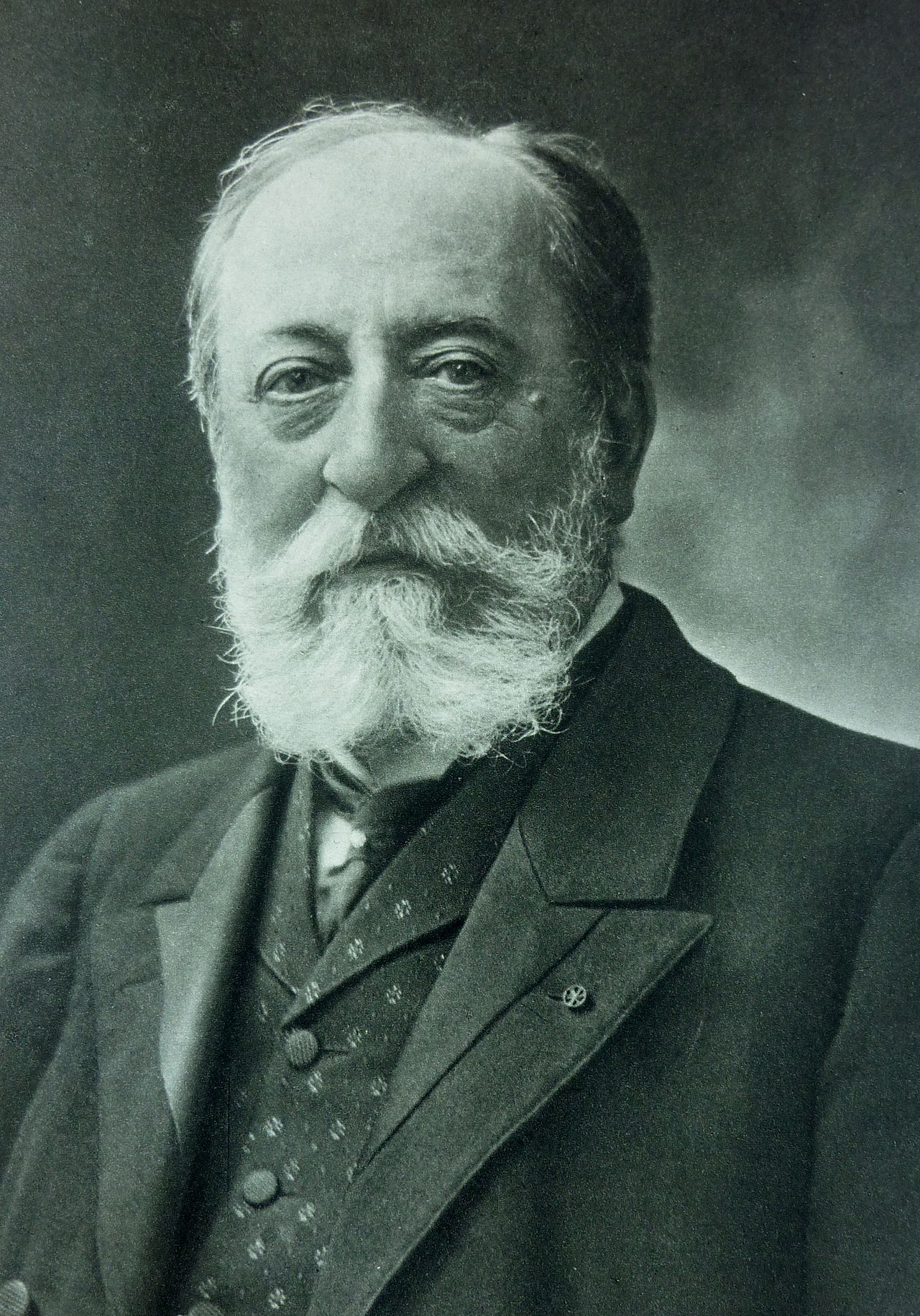
Camille Saint-Saëns (1835–1921) was a leading French composer, celebrated virtuoso pianist and distinguished organist. Born in Paris on 9 October 1835 and dying in Algiers on 16 December 1921, he produced a large, varied body of work spanning symphonies, concertos, chamber music, opera, choral pieces and shorter orchestral works. A musical prodigy in youth, he became known for technical mastery at the keyboard and for a compositional style that combined classical forms with vivid orchestral color.
Image gallery
10 Images




Early life and education
Saint-Saëns showed musical ability very early and received formal training in Paris. He studied composition and practical musicianship at conservatory institutions and quickly established a reputation as a performer and teacher. In addition to concertizing, he took posts as a church organist and remained active in Parisian musical circles throughout his career. He was associated with efforts to promote French music and musicians in the decades after mid-century.
Career and activities
His professional life combined performing, composing and advocacy. He toured widely as a pianist, taught and held church appointments as an organist, and composed in virtually every genre current in the 19th century. Saint-Saëns participated in musical societies that encouraged French composition and at times engaged with new technologies: he contributed to early film music projects and was open to new audiences while maintaining a strong regard for classical craftsmanship.
Musical style
Saint-Saëns is noted for clarity of form, contrapuntal skill and melodic elegance. His orchestration is often praised for its color and economy: he could write vivid tone poems and dramatic opera scenes without sacrificing balance and structural coherence. While sometimes described as conservative relative to the modernists who followed, he was inventive within established forms and influenced younger French composers by demonstrating how tradition and imagination could coexist.
Major works
- Symphony No. 3 ("Organ") — a large-scale work notable for integrating the pipe organ into the orchestral palette.
- Piano Concertos — including a virtuosic Piano Concerto No. 2 that highlights his pianistic background.
- Violin and Cello Concertos — concertos admired for lyrical writing and effective solo-orchestra interplay.
- Samson and Delilah — his best-known opera, valued for dramatic choruses and memorable arias.
- Danse Macabre — a vivid tone poem that exploits programmatic effects and orchestral color.
- The Carnival of the Animals — a suite of character pieces written as a light-hearted divertissement; despite Saint-Saëns's unease about its popular fame, it remains a favorite introduction to orchestral timbres, especially for young listeners.
Reception and legacy
During his lifetime Saint-Saëns was widely respected for his craftsmanship, musicianship and prolific output. He wrote successfully for stage and concert hall and was admired for a refined musical sensibility that balanced seriousness with wit. In later decades his reputation went through critical reassessment as musical fashions changed, but many of his works—particularly the Organ Symphony, concertos, and selected shorter pieces—remain staples of the repertoire. His example helped sustain a French tradition that valued clarity, formal skill and imaginative orchestration.
Further reading and resources
Scholarly biographies, collected editions and recordings provide deeper study of his life and works. For general orientation consult reference entries and survey histories of 19th-century French music; for primary sources, performance materials and scores, consult major music libraries and editions. Useful starting points include entries about his birthplace and place of death as well as his professional roles: Paris, Algiers, and his work as a pianist, organist and composer.
Questions and answers
Q: Who was Camille Saint-Saens?
A: Camille Saint-Saens was a French composer, pianist, and organist.
Q: When and where was Camille Saint-Saens born?
A: Camille Saint-Saens was born in Paris on October 9, 1835.
Q: When did Camille Saint-Saens die?
A: Camille Saint-Saens died on December 16, 1921, in Algiers.
Q: Which of his works are among Camille Saint-Saens' best?
A: Some of Camille Saint-Saens' best works include his Symphony no 3 (with organ), Piano Concerto no 2, Violin Concerto no 3, Cello Concerto no 1, the opera Samson and Delilah, and the Danse Macabre.
Q: What was Camille Saint-Saens' most popular work?
A: Camille Saint-Saens' most popular work is the Carnival of the Animals.
Q: Did Camille Saint-Saens like being known as the composer of the Carnival of the Animals?
A: No, Camille Saint-Saens did not like being known as the composer of the Carnival of the Animals. He said he had only written it for a bit of fun and did not want anyone to perform it.
Q: What is the current popularity level of the Carnival of the Animals?
A: Today, the Carnival of the Animals still remains one of the most popular pieces for children.
Related articles
Author
AlegsaOnline.com Camille Saint-Saëns: life and music of a French composer Leandro Alegsa
URL: https://en.alegsaonline.com/art/115859